
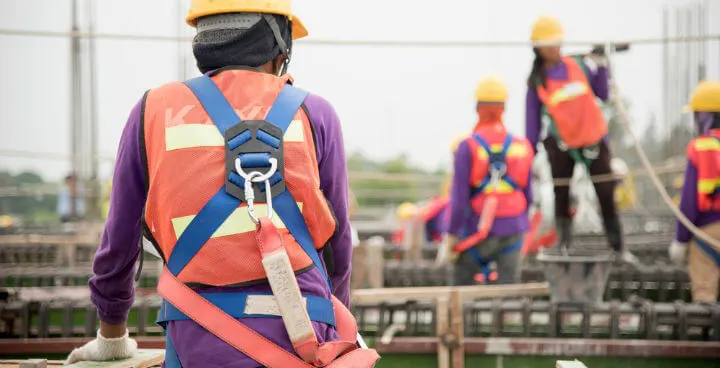
Undertaking work at heights poses serious risks. With proper training and compliance with safety protocols, you can minimise the risks. That’s because a Working at Heights Course covers important safety protocols. Let’s learn more about 7 essential safety protocols that you can learn at a course in Brisbane. Then you can proceed with this training and ensure your safety when working at heights.
Assessing Worksite Hazards and Risks
Before starting work, it’s essential to conduct thorough risk assessments. This involves identifying potential fall hazards and evaluating the risks they pose. Risk assessments account for factors like fall distance, impact force, and working conditions. Thorough hazard inspection and analysis is the first safety protocol you’ll learn.
Selecting and Inspecting Fall Protection Equipment
You can find many different fall protection equipment out there. Harness training, anchorage points, and fall arrest systems are to name a few. It is important to select the right fall protection system according to your worksite. This is something that you can learn with your training certification. You’ll learn about different types of equipment and their applications. You can also learn about limitations and inspection procedures. Regular inspection and maintenance ensure equipment is in sound working condition.
Modern fall protection equipment and systems minimize risks when working at heights. Full-body harnesses distribute fall impact and are more secure than waist belts. Shock-absorbing lanyards and retractable lifelines limit fall distance. Anchorage connectors, rope grabs, and vertical rail systems provide flexibility.
Understanding Fall Clearance Distances
When working at heights, a key calculation you should do is fall clearance distance. It is the total vertical distance that can arrest a fall. Then you can ensure ladder safety as well. You’ll learn to factor in the height of the worker and lanyard length. Moreover, you will understand the stretch of the lifeline and harness and clearance underfoot. This determines the equipment that you need based on fall distance calculations. With that in mind, you can decide on height safety standards. You can also implement lifelines based on it. This can help you to implement safety barriers and adhere to OSHA regulations.
Ladders and scaffolds deserve special attention. You’ll learn about ladder selection, angles, securing, and safe climbing techniques. For scaffolds, you will be covering proper erection, platforms, toe boards, access, and dismantling procedures. Following these protocols prevents ladder and scaffold-related falls.
Installation and Use of Anchorage Systems
Proper anchorage systems provide secure attachment points to arrest falls. You can learn about different anchors like temporary or permanent systems. You will also understand their strength requirements and how to maximise mobility while maintaining security. Based on this understanding, you can ensure scaffold safety. You will be able to implement the anchorage points safely. With that in mind, you may also implement appropriate rescue procedures.
Harness Fit and Use
Safety harnesses form the core connecting component. You’ll learn about fitting harnesses properly for comfort and safety. It will also cover how to adjust harnesses and secure donning and removal. The training will share more details about the importance of regular inspection procedures. Then you can adhere to appropriate measures to ensure the maintenance of safety equipment. The training also covers harness sizing and special types of harnesses available. This understanding can help you to implement proper work positioning. You may also come up with the best prevention strategies based on it.
Establishing Control Zones and Edge Protection
Control zones and safety nets minimize the chances of falling from exposed edges. You can further support them with guardrails. and barricades. You’ll learn about establishing well-defined access zones and control zones via barriers. Moreover, the training will cover nets and edge delineation we well. Proper edge protection is critical. This hands-on training will help you to implement appropriate prevention strategies.
Developing Effective Rescue Plans
The course covers developing prompt rescue plans for retrieving suspended or fallen workers. You’ll learn about self-rescue techniques and the equipment you need. It will also share details on training rescue personnel and conducting practice drills. Then they can proceed in coordination with emergency services.
Final words
Now you are aware of the skills that you can get from working at heights course in Brisbane. The course provides certified training on working at heights following strict Quality standards. You’ll learn about equipment inspection logs, certification timelines and compliance with AS/NZS 1891. It will also help you to adhere to OSHA fall protection standards.
A Working at Heights Course covers both theory and practical training on these essential safety protocols. A working and height training course builds expertise in safely retrieving workers post-fall. With 4 days duration each, these certified courses are critical for worksite safety.
Hands-on practice to demonstrate proficiency and written assessments ensure trainees have acquired the safety knowledge and skills before being certified. With the vital safety protocols learned during the course, workers can conduct elevated tasks efficiently while safely.

