
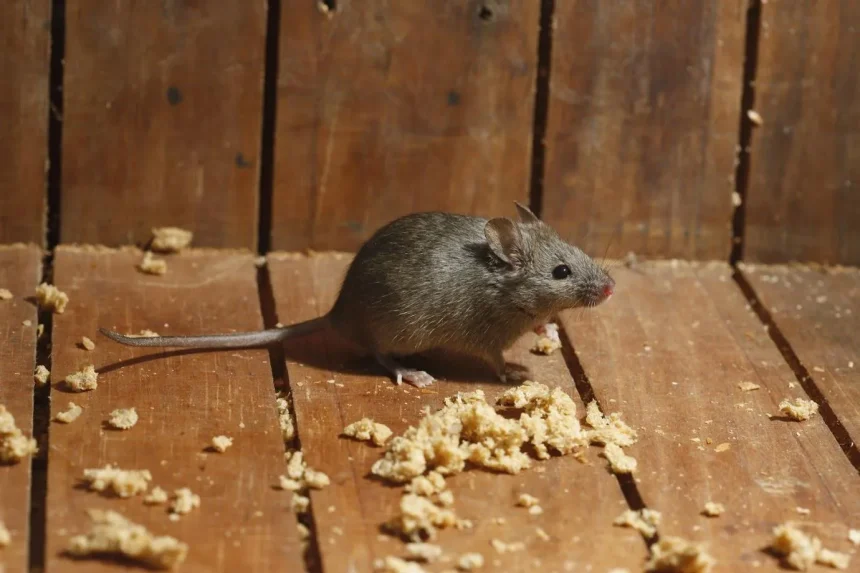
Winter is dreaded by creatures other than humans as well, when the temperature drops and the winds get cold. During the winter, mice and rats—tiny rodents that often stay in the shadows—become more of a problem. These bugs are looking for a place to live in your house, even if you might be grabbing for a nice blanket and a hot chocolate. We’ll look at why mice and rats detest the cold and seek cover indoors when the winter chill arrives in this blog article.
Why Mice and Rates Hate the Chill Environment?
The physiology of rats and mice is the first step in comprehending their behavior in the winter. These little animals burn calories rapidly to keep their bodies warm since they have a high metabolic rate. Like any warm-blooded organism, they run the risk of hypothermia and frostbite when the temperature decreases. They are unable to simply turn up the thermostat or wrap themselves in winter gear like we do.
Minimal Fur Coats
When compared to other animals, the fur of rats and mice is rather thin. Their little insulation leaves them particularly susceptible to the cold. They are partially protected from the frigid temperatures by their fur, but not sufficiently.
Restricted Fat Stores
In contrast to animals that hibernate in the winter, rats do not possess significant fat reserves upon which to fall back when food supplies are low. They must constantly search for food to sustain their energy levels, which is harder when the ground is frozen and there is little flora.
Frostbite Risks
When exposed to cold conditions, rodents’ extremities—such as their tails and ears—run the danger of frostbite. Seeking refuge indoors aids in preventing these injuries brought on by the cold.
Reasons for Seeking Refuge in Houses
Mice and rats are incredibly adaptive animals that are always searching for a warm spot to make their nests. Your property instantly gains appeal when winter hits for a number of reasons:
Comfort and Warmth
Compared to the chilly, unstable atmosphere outside, your house is warmer and more stable. In your walls, attic, or crawl spaces, rats and mice can find a more pleasant place to live and shield themselves from the weather.
Availability of Food and Water
Mice and rats feast on opportunities. They may easily reach your pantry, floor crumbs, and even pet food if they’re inside your house. One big reason they stay is that there are food and water sources nearby.
Protection Against Predators
Rats are protected from owls, snakes, and larger mammals—natural predators that may pursue them in the wild—when they are indoors. They are safe from these dangers in your house.
Like many other species, rats and mice have a strong drive for self-preservation. They come to our houses for the warmth, cover, and food when the winter chill sets in. We may prevent these rodents from entering our homes by being aware of their aversion of the cold and the reasons behind their wintertime attraction to human environments. We may have a quiet and pest-free winter in our homes by caulking access points, keeping our spaces clean, and calling in professionals when necessary.
Keeping Rats from Invading
In addition to being a health risk, rats and mice may cause material damage and a great lot of irritation in your house. During the winter, take into account the following precautionary actions to keep these unpleasant guests out:
Seal Points of Entry
To keep rats out of your house, carefully check it for gaps, cracks and openings. Then, plug them with steel wool or caulk. Common places include A/C vents and other utilities that enter your wall. Walls may be vertically scaled by rodents. Don’t forget to look for access spots in the eaves and attic vents.
Food Should Be Stored Correctly
Make sure pet food is stored securely, wipe up spills and crumbs right away, and keep food in airtight containers.
Continue to be tidy
Keep your house clean on a regular basis to get rid of any appealing smells and possible nesting places. Trash must be appropriately secured so that rats cannot easily get it. It is necessary to remove as much vegetation as possible from the house. It’s not necessary for trees to overshadow homes.
Speak with Experts
For a safe and effective solution to your ongoing rat problem, you might want to speak with a pest control expert. Arrow provides rodent prevention and control services to keep your house free of vermin.
Final Words
Rats and mice are incredibly adaptive animals; they are always looking for warm spots to make their homes. Your property becomes a beacon of attractiveness when winter arrives for a variety of reasons. Your home’s insulation—whether in the form of walls, attics, or crawl spaces—creates a cosy haven from the bitter cold outside. In addition, the presence of food and water in your home—from pantry staples to pet food and floor crumbs—invites these rodents to become residents.
The fact that your home is protected from owls and snakes is another reason why rats might want to take up residence with you. When rats retreat indoors, they deter predators like owls, snakes, and larger animals that may be dangerous in the open. Knowing this innate need for self-preservation helps to explain why, in the winter, rats seek for human situations.
Like many other species, rats and mice have a strong drive for self-preservation. They come to our houses for the warmth, cover, and food when the winter chill sets in. We may prevent these rodents from entering our homes by being aware of their aversion of the cold and the reasons behind their wintertime attraction to human environments. We may have a quiet and pest-free winter in our homes by caulking access points, keeping our spaces clean, and calling in professionals when necessary.
With sibling firms located in Florida and Alabama, Arrow Termite and Pest Control provides services to Louisiana, Mississippi, and Texas. The firm remains family-owned and upholds the same fundamental principles as when it was first founded. with order to give back to the communities that have supported Arrow Termite & Pest Control for so many years, the Cohn family and the company are involved with a number of philanthropic organizations in the areas they serve.

