
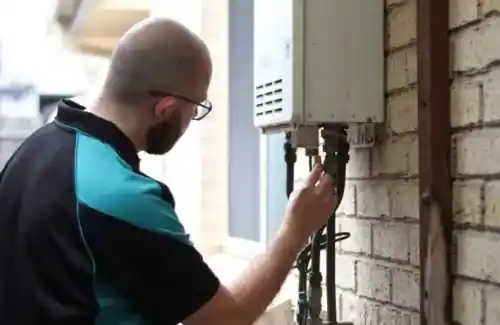
When it comes to household expenses, energy bills often take a hefty slice of the budget. One of the biggest culprits? Heating water. Whether it’s for showers, laundry, or washing dishes, hot water is a daily necessity—and it costs. That’s why many homeowners are switching to a gas hot water system as a smarter, more cost-effective solution.
Why Water Heating Costs So Much
Water heating typically accounts for about 25–30% of a home’s total energy use. Traditional electric systems, while common, can be expensive to run—especially if your household uses a lot of hot water. They often run slower, draw more power, and can be inefficient during peak times.
On the other hand, gas systems offer a faster, more efficient way to heat water. This can translate into serious savings when used wisely.
Instant vs. Storage Gas Systems: Understanding the Basics
There are two main types of gas hot water systems: instant (tankless) and storage.
- Instant systems only heat water when you turn on the tap, meaning they don’t store any hot water. No tank, no standby heat loss. They’re highly efficient and ideal for households that want hot water on demand.
- Storage systems keep a reservoir of hot water ready to use. While they do experience some heat loss over time, modern versions are well-insulated and efficient.
Both options have their advantages, but both are generally more cost-effective than traditional electric models.
Lower Operating Costs Over Time
Gas is typically cheaper than electricity in many parts of the world. That means, even though the upfront cost of installing a gas system may be higher than an electric one, your ongoing bills are usually lower. In fact, households that switch to gas water heating often see a 30–40% reduction in their water heating costs.
Gas systems also heat water faster, so they spend less time running—further reducing your energy use and utility costs.
Energy Efficiency Ratings Matter
Modern gas hot water systems come with star-rated energy labels. The higher the number of stars, the more energy-efficient the system. Choosing a high-rated model ensures that you’re maximizing savings and minimizing environmental impact.
Look for a 5-star or higher system if you’re serious about keeping your bills low. Yes, the more efficient models may cost slightly more upfront, but the long-term savings far outweigh the initial expense.
Better Performance for Large Households
A gas system can save your life if your house has several people living in it. Unlike electric systems that may struggle with back-to-back showers or multiple water demands at once, gas systems recover quickly. Less waiting, fewer cold showers, and no peak-hour surcharges—all of which keep your bills in check.
Peak-Time Advantage
Electricity providers often charge more during peak usage hours (early mornings and evenings). Gas, however, typically has consistent pricing regardless of the time. This means running your hot water during busy hours won’t spike your bill—a subtle but important way gas systems help manage overall energy costs.
Long-Term Durability
Gas hot water systems are built for longevity.They can endure for at least 15 years if properly cared for. Electric systems often wear out faster due to strain and corrosion. A system with a longer lifespan requires fewer replacements and has a lower lifecycle cost.
How to Maximize Your Savings
To make the most of your gas water heating setup, keep these energy-smart tips in mind:
- Insulate your pipes to reduce heat loss.
- Install water-saving shower heads to reduce hot water use.
- Schedule regular maintenance to keep the effectiveness of your system.
- Reduce the thermostat to between 50°C and 60°C to prevent overheating and wasteful energy use.
Environmental Benefits
Beyond cost savings, using gas for water heating has environmental advantages. Natural gas burns cleaner than coal-based electricity, meaning your carbon footprint is reduced. And because you’re using less energy overall, your household becomes more sustainable without sacrificing comfort.

