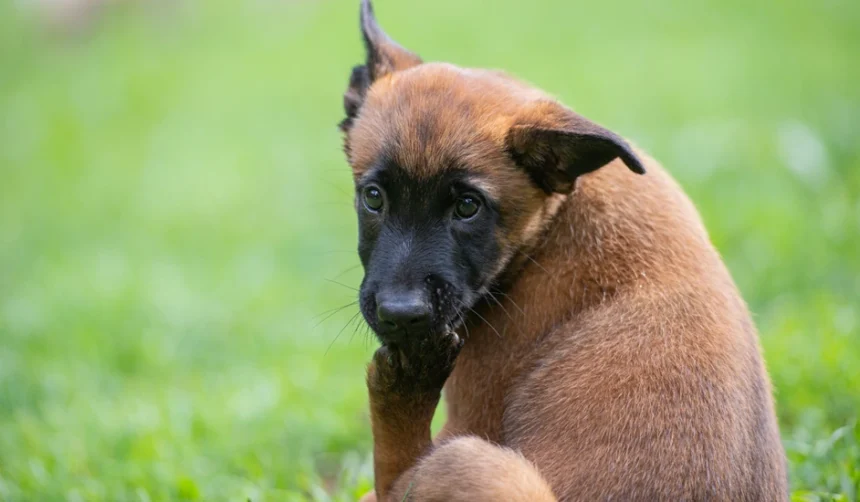
Many dogs lick their paws from time to time, but when you notice your dog constantly licking, chewing, or fixating on their feet, it is worth asking what might really be happening. Occasional paw licking is the normal for most dogs. They use their tongues to clean away dirt, soothe minor itches, or tidy up after a walk through grass or mud. It is simply part of how they look after themselves when they cannot exactly slip on shoes the way people do.
However, when licking becomes frequent or almost obsessive, it often means there is something your dog is trying to fix or soothe. Sometimes the cause is as simple as a small burr or scratch hidden between the toes. Other times, it can point to a bigger problem such as seasonal allergies, an irritation from road salt, parasites, an infection, or even stress and boredom that need more attention. If left alone too long, constant licking can turn into raw spots, swelling, or infections that make things worse and lead to even more licking.
Spotting the difference between normal grooming and signs of trouble helps you act early and protect your dog’s health and comfort. Keeping your dog happy and busy with quality toys, engaging play, and useful dog accessories from trusted brands like Happy Staffy can help prevent boredom that sometimes turns into paw licking. Understanding why dogs lick their paws, what is normal, and when to step in gives you more ways to keep your dog’s paws healthy and ready for every walk, game, and adventure you enjoy together.
Key Takeaways
- Most dogs will lick their paws occasionally, but nonstop licking is a sign they may be uncomfortable, itchy, or in pain.
- Dogs often lick due to allergies, parasites, small injuries, or simple boredom, so checking paws regularly can help spot trouble early.
- Cleaning your dog’s paws after walks and keeping an eye out for debris or irritants helps prevent licking from turning into a bigger problem.
- Toys, activities, and dog accessories keep dogs busy and less likely to lick out of stress or restlessness.
- If your dog’s licking creates sores or swelling, a vet visit can help find the real cause and get paws healed quickly.
Is It Normal for Dogs to Lick Their Paws?
Mild paw licking is normal for most dogs. They might clean off dirt after a walk, soothe minor itches, or nibble away debris caught between their toes. Some dogs even lick their paws before bed as part of winding down.
However, watch for the signs licking has become excessive:
- Licking the same paw for long stretches.
- Chewing or gnawing that leaves the fur stained, damp, or bald.
- Redness, sores, or swelling on the paw.
- Limping or shifting weight off the sore paw.
When paw licking crosses into habit or obsession, it usually means there’s an underlying issue worth checking out.
Common Causes of Paw Licking in Dogs
While it may look like a small habit, excessive paw licking can have many hidden triggers. Understanding these makes it easier to fix the problem for good.
Allergies
Just like people, dogs can be sensitive to things in their food or environment.
Common allergens for dogs include:
- Pollen, grass, or weeds picked up outdoors.
- Dust mites or mold in the home.
- Certain proteins or ingredients in food.
When allergies flare up, paws often itch the most because they come into direct contact with the ground and allergens. Constant licking can lead to irritated skin and secondary infections if left untreated.
Parasites and Infections
Tiny pests can make any dog miserable. Fleas, mites, and ticks often target the spaces between the toes, causing intense itchiness.
In addition, dogs that lick constantly can create open wounds or “hot spots” that invite bacterial or fungal infections.
Watch for signs such as:
- Foul odor from the paw.
- Red, raw, or oozing areas.
- Your dog resisting when you touch their paw.
Left untreated, infections can worsen and spread, so prompt care matters.
Injuries and Irritants
Sometimes the cause is as simple as something stuck in your dog’s paw. Small cuts, thorns, splinters, or bits of gravel can hide in the fur or pads.
In summer, hot pavement can burn sensitive feet.
If your dog suddenly the focuses licking on the one paw, check carefully for:
- Foreign objects between the toes.
- Cuts, scrapes, or cracked pads.
- Tenderness or limping.
Anxiety or Boredom
Licking can also be a coping mechanism. Some dogs lick their paws out of habit when they’re stressed, lonely, or not getting enough mental stimulation.
Boredom licking is common in high-energy breeds that don’t get enough playtime. Anxiety-driven licking often happens during thunderstorms, fireworks, or changes at home.
Signs this might be the cause:
- Your dog licks when alone or resting.
- Licking seems worse during stressful events.
- No visible injury or allergy, but licking persists.
Pain or Joint Problems
Arthritis, joint discomfort, or even referred pain from a leg or back issue can lead to licking the feet.
If your dog is aging or has a history of joint problems, excessive licking might be your clue that something hurts.
Signs It’s Time to See a Vet
While you can handle mild paw licking at home, some signs mean your dog needs professional help:
- Swelling, redness, or wounds that don’t heal.
- Bleeding paws or raw sores.
- A sudden change in how often they lick.
- Limping, stiffness, or signs of pain when walking.
- No improvement after simple home care.
A vet can pinpoint hidden causes, run tests for allergies or infections, and provide treatments that bring relief faster.
How to Stop Excessive Paw Licking at Home
Once you know what’s causing the licking, simple steps at home can help soothe your dog’s paws and break the licking cycle.
Identify and Remove the Trigger
- Rinse and wipe paws after outdoor walks, especially in allergy seasons or after walking on salted roads.
- Inspect paws weekly for cuts, splinters, or stuck debris.
- Keep the yard clean of sharp objects or irritants.
Keep Paws Clean and Protected
- Wash paws gently with mild dog-safe shampoo if they get dirty or salty.
- Dry thoroughly to prevent moisture build-up that can invite bacteria.
- Use protective booties in harsh weather to reduce contact with irritants.
Manage Allergies
- Talk to your vet about switching to a hypoallergenic diet if food sensitivities are suspected.
- Use vet-approved allergy medications, wipes, or topical sprays.
- Vacuum and wash bedding often to limit dust mites and pollen indoors.
Offer Mental Stimulation and Exercise
Bored dogs often turn to licking out of habit. Help them stay busy with:
- Long walks or new routes to explore.
- Puzzle toys and treat-dispensing feeders.
- Safe chews or bones to redirect licking urges.
- Playtime and training games to burn energy.
Protect Paws When Needed
- If your dog won’t stop licking a sore spot, an e-collar (cone) or soft bootie can protect the area while it heals.
- Apply vet-recommended ointments to soothe irritation and speed healing.
When Professional Help Is Needed
Sometimes stopping paw licking takes more than simple fixes. Your vet might recommend:
- Allergy testing to find specific triggers.
- Prescription medications for infections or severe allergies.
- Regular flea and tick prevention if parasites are part of the problem.
- Working with a behaviorist or trainer for licking linked to anxiety or compulsive behavior.
Addressing the root cause means less frustration for you and real relief for your dog.
Tips to Keep Your Dog’s Paws Healthy Year-Round
A few habits can prevent paw problems before they start:
- Check paws after every walk for thorns, burrs, or stuck objects.
- Trim nails regularly to prevent awkward walking and pad strain.
- Keep paw hair trimmed between toes to reduce debris build-up.
- Use paw balm or moisturizer during dry seasons to prevent cracks.
- Avoid hot pavement in summer and salted roads in winter whenever possible.
A little extra care goes a long way toward keeping your dog’s paws itch-free and healthy.
Keep Your Dog Happy, Healthy, and Comfortable
A dog who’s constantly licking their paws is telling you something isn’t quite right. Whether the cause is simple or more complex, understanding the reason helps you take quick action, ease your dog’s discomfort, and protect their paws from further harm.
With good daily habits, a watchful eye, and your vet’s help when needed, your dog can enjoy healthy paws and spend more time exploring the world, not stuck licking it away.