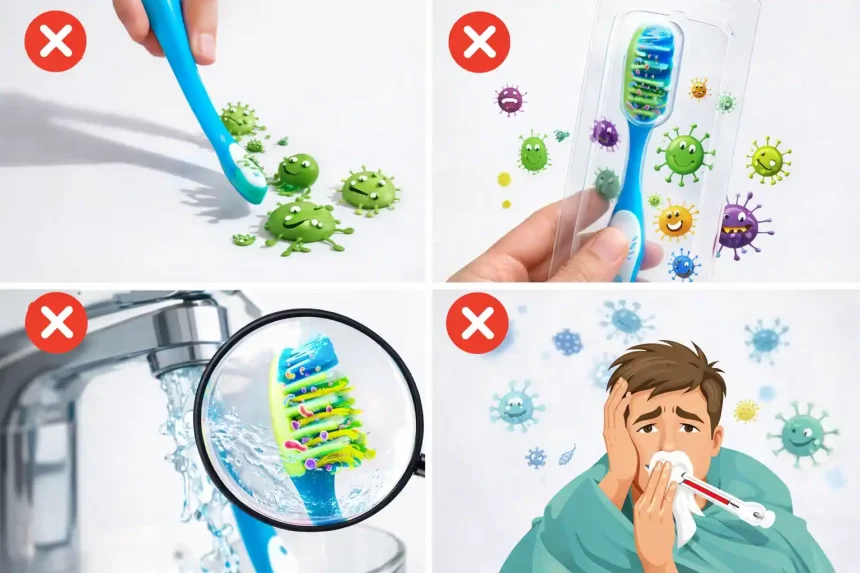
Most dentists do not recommend toothbrush sanitizers as a daily necessity for everyone. For most people, simple habits like rinsing the brush well, letting it air-dry, and replacing it regularly are enough to maintain safe oral hygiene. In general, dentists view sanitizers as optional tools rather than a basic requirement for healthy teeth and gums.
This clear answer often surprises readers who see bold marketing claims about germ removal. Questions like do dentists recommend toothbrush sanitizers usually come from confusion between hygiene needs and product promises. In this guide, you will learn why dentists stay cautious, when sanitizers may help, and what matters most for everyday toothbrush care.
Dentist Consensus on Toothbrush Sanitizers for Everyday Use?
Dentists hear this topic often because many patients want certainty before adding new hygiene tools. The clear position is that toothbrush sanitizers are not necessary for everyone, but the reasoning behind that view matters. Knowing how dentists judge risk helps set realistic expectations. Continue reading to understand how professionals decide when sanitizers matter and when they do not.
Dentists Avoid Universal Sanitizer Recommendations
Dentists do not recommend toothbrush sanitizers for everyone because normal toothbrush bacteria have not been shown to cause dental disease when basic hygiene is followed. Simple habits like rinsing, air-drying, and replacing brushes on time already control bacterial buildup effectively for most healthy individuals.
Risk-based Evaluation Guides Dental Advice
Instead of giving the same advice to all patients, dentists look at personal risk factors. Immune health, recent illness, shared storage spaces, and existing gum issues influence guidance. When these risks are absent, a sanitizer rarely improves outcomes, so dentists consider it optional rather than necessary.
Sanitizers Can Play a Limited Supportive Role
In certain situations, dentists may accept sanitizers as supportive tools. Some patients explore devices after illness or for extra reassurance, and examples like Bril sometimes come up during discussions, or a Bril review can provide you with a broader idea. Dentists focus on correct use and realistic expectations rather than product dependence.
Core Oral Care Habits Remain the Priority
Dentists consistently stress that no sanitizer replaces proper brushing technique, fluoride toothpaste, or regular dental checkups. Sanitizers do not prevent cavities or gum disease on their own. This is why they are positioned as secondary aids, not essential elements of everyday oral care.
Dental guidance centers on proven habits, not added gadgets. For most people, consistent toothbrush care is enough. Understanding this professional stance makes it easier to judge whether extra sanitizing fits your situation before moving into specific use cases.
Situations Where Dentists May Suggest Extra Sanitizing
This part of the discussion is where dental advice becomes more practical and situational. Dentists do not recommend extra sanitizing for everyone, but they do recognize certain conditions where added toothbrush hygiene can make sense. These suggestions are based on reducing risk during specific circumstances rather than changing daily routines for life.
After Illness or Infection
- Dentists often advise replacing a toothbrush or disinfecting it after a cold, flu, strep throat, or oral infection.
- This step helps reduce the chance of reintroducing germs into the mouth while the body is still recovering.
- It is usually a short-term precaution, not a permanent habit.
Weakened Immune System
- Patients with compromised immunity may benefit from extra toothbrush sanitation.
- Dentists are more cautious in these cases because the body may struggle to handle normal bacterial exposure.
- Extra cleaning is suggested as part of broader health protection, not as a standalone solution.
Shared Bathrooms or Close Storage
- When multiple toothbrushes are stored close together, the risk of cross-contamination increases.
- Dentists may recommend better spacing, improved airflow, or occasional disinfection.
- Some people choose tools like Bril in shared environments for added reassurance, not because they are required.
Orthodontic Appliances or Gum Disease
- Braces, aligners, and gum disease can trap more bacteria in the mouth.
- Dentists may suggest extra care with toothbrush cleanliness alongside improved brushing technique.
- This approach supports overall oral hygiene rather than replacing core dental care habits.
Dentists suggest extra sanitizing only when specific risks are present. For most people, these situations are temporary. Once the risk passes, returning to simple toothbrush care is usually enough to maintain safe and effective oral hygiene.
Dentist Perspective on UV Toothbrush Sanitizers
UV toothbrush sanitizers are often discussed because they promise an easy way to reduce germs on toothbrush bristles. Dentists do not dismiss these devices, but they also do not treat them as essential parts of oral care. Their opinions focus on what UV sanitizers realistically contribute to within a normal hygiene routine.
Ability to Reduce Bacteria on Bristles
Dentists generally agree that UV toothbrush sanitizers can lower bacterial levels on bristles. Ultraviolet light is known to reduce certain microorganisms on surfaces. However, this effect is limited to the brush head itself and does not directly improve overall oral health inside the mouth.
Role in Everyday Toothbrush Care
UV sanitizers do not replace basic toothbrush care. Dentists continue to stress the importance of rinsing thoroughly after brushing and allowing the toothbrush to air-dry completely. These simple habits remain the foundation of toothbrush hygiene, with UV devices serving only as an additional step if used.
Impact on Cavities and Gum Disease
Dentists agree that UV sanitizers do not prevent cavities or gum disease on their own. Oral health problems develop mainly from plaque buildup, brushing technique, diet, and fluoride use. A sanitized toothbrush cannot make up for inconsistent brushing or poor oral care habits.
Safety When Used Correctly
Most UV toothbrush sanitizers are considered safe when used as directed. Dentists do not usually express safety concerns about these devices. Problems tend to arise only when people misuse them or assume they can replace regular oral hygiene practices.
Caution Around Marketing Claims
Dentists remain cautious about strong marketing claims linked to UV sanitizers. Statements suggesting major improvements in oral health outcomes are not strongly supported by clinical evidence. Dental advice focuses on proven practices rather than promotional promises.
Dentists view UV toothbrush sanitizers as optional hygiene tools with limited benefits. They can reduce bacteria on bristles, but they do not replace proper brushing, drying, and regular dental care.
What Dentists Mean by “Clean” vs “Sanitized”?
Many people assume the words clean and sanitized mean the same thing when it comes to toothbrush care. Dentists make a clear distinction between the two. Understanding this difference helps set realistic expectations and prevents unnecessary steps in daily oral hygiene.
Cleaning a Toothbrush as Dentists Expect
From a dental perspective, a toothbrush is considered clean when basic hygiene steps are followed consistently. Dentists typically expect the following:
- Toothpaste residue is fully rinsed off after brushing
- Bristles are free from visible debris
- The brush is allowed to air-dry completely between uses
- It is stored upright in the open air without a closed cover
For most people, this level of cleaning is enough to prevent harmful bacterial buildup and maintain safe toothbrush hygiene.
Sanitizing Vs Sterilizing as Dentists Define It
Dentists also clarify the difference between sanitizing and sterilizing. Sanitizing reduces the number of germs present on a surface. Sterilizing aims to remove nearly all microorganisms. Dentists do not expect toothbrushes to be sterile because the mouth naturally contains both helpful and harmful bacteria.
Why Sterility Is Not the Goal in Oral Care
Trying to maintain a completely sterile toothbrush is unnecessary for daily oral care. Dentists focus on balance rather than elimination. Normal brushing introduces bacteria into an environment that already manages them. Proper cleaning supports oral health without creating unrealistic hygiene standards.
Dentists define clean toothbrush care by practicality and consistency, not by complete germ removal. Knowing this difference helps patients focus on habits that matter while avoiding unnecessary concern about achieving sterility in everyday brushing routines.
Are Toothbrush Sanitizers Safe According to Dentists?
Dentists generally agree that most toothbrush sanitizers are safe when used as directed. UV-based devices and mild disinfecting methods do not usually raise safety concerns in dental practice. However, dentists clearly separate safety from necessity. A product can be safe to use and still not be required for maintaining good oral hygiene.
General Safety of Common Sanitizer Types
Dentists consider UV toothbrush sanitizers safe when manufacturer instructions are followed. Mild disinfecting approaches are also viewed as low risk when used occasionally. These methods do not damage toothbrush bristles when applied correctly, which is why dentists do not actively discourage their careful use.
Safety Does Not Mean Daily Use is Needed
Even though most sanitizers are safe, dentists do not see them as essential tools. Proper rinsing, air-drying, and timely toothbrush replacement already provide effective hygiene. From a dental standpoint, safety alone is not enough reason to add extra steps to a routine that already works.
Overuse of Chemical Disinfectants
Dentists often caution against frequent use of strong chemical disinfectants. Overuse can weaken bristles and reduce cleaning efficiency. In some cases, chemical residue may remain on the brush, which is not ideal for daily oral care.
Risks of Harsh Soaking and Heat Methods
Soaking toothbrushes in harsh solutions or using heat-based methods can damage bristles. Warped or frayed bristles clean teeth less effectively and may irritate gums. Dentists advise avoiding these practices because they reduce the toothbrush’s ability to clean properly.
Dentists view toothbrush sanitizers as safe when used properly, but not essential. Issues usually arise from misuse or overcleaning, which is why simple, proven toothbrush care remains the foundation of safe and effective oral hygiene.
Common Myths About Toothbrush Germs
Many concerns about toothbrush germs come from exaggerated claims or incomplete information. Dentists often spend time correcting these misunderstandings because fear can lead people to overcomplicate simple oral care routines. Clearing up these myths helps patients focus on habits that actually protect dental health.
Myth 1: Toothbrushes Make People Sick
There is little evidence showing that toothbrush bacteria directly cause illness when basic hygiene is followed. Dentists explain that normal exposure to bacteria is unavoidable and usually harmless. Rinsing the toothbrush well, letting it dry, and replacing it regularly are enough to keep risks low for most people.
Myth 2: Bathroom Air Always Contaminates Toothbrushes
Dentists note that proper storage and airflow greatly reduce exposure to airborne particles. Keeping toothbrushes upright, spaced apart, and uncovered allows them to dry properly. Closing the toilet lid before flushing and avoiding enclosed containers at home are usually sufficient to prevent contamination concerns.
Myth 3: More Germs Mean More Cavities
Cavities are not caused simply by germs on a toothbrush. Dentists explain that tooth decay develops from prolonged plaque buildup, frequent sugar exposure, and poor brushing technique. This is why dental advice focuses more on consistent brushing, proper technique, and fluoride use than on sanitizing tools.
Dentists emphasize that understanding the real causes of oral health problems matters more than fearing toothbrush germs. By separating myth from fact, patients can avoid unnecessary worry and concentrate on proven habits that keep teeth and gums healthy.
Where Toothbrush Sanitizers Fit in a Real Oral Care Routine?
Dentists usually describe toothbrush sanitizers as optional support tools rather than essential parts of daily oral care. Their value depends on how they are used and what role they play in a person’s routine. Understanding this distinction helps prevent overreliance on devices while keeping the focus on proven hygiene habits.
When Toothbrush Sanitizers May Be Helpful
- They can encourage better hygiene habits for people who struggle with routine consistency.
- They may provide peace of mind for anxious patients who worry about germs.
- They work best when used alongside proper brushing, rinsing, and air-drying practices rather than replacing them.
When Toothbrush Sanitizers Become Unnecessary
- They lose value when they replace simple habits like allowing the toothbrush to dry fully or replacing it on time.
- Relying on sanitizers to solve deeper oral health problems can distract from brushing technique, diet, and regular dental visits.
- Dentists caution against using devices as shortcuts instead of addressing core oral care needs.
Dentists see toothbrush sanitizers as tools that may support good habits, but do not create them. When used thoughtfully, they can complement a routine, but strong oral health still depends on consistent brushing, proper care, and professional guidance.
Last Words
Dentists focus on simple habits that work in real life. For most people, rinsing the toothbrush well, letting it air-dry, and replacing it on time are enough to stay safe. Extra devices can feel reassuring, but they do not replace proper brushing, fluoride use, or regular dental checkups.
So when people ask do dentists recommend toothbrush sanitizers, the honest answer is that they are optional, not essential. They may help in specific situations, but good oral health still depends more on daily care and consistency than on any added tool.