
Introduction
When it comes to restoring missing teeth, two options dominate most conversations: emfyteymata (dental implants) and traditional dentures. I’ve walked many friends—and more than a few anxious readers—through this choice. In this guide, I’ll break down how each solution works, what it feels like to live with them day to day, and the key factors that actually matter: health, longevity, comfort, cost, maintenance, and aesthetics.
What Are Emfyteymata?
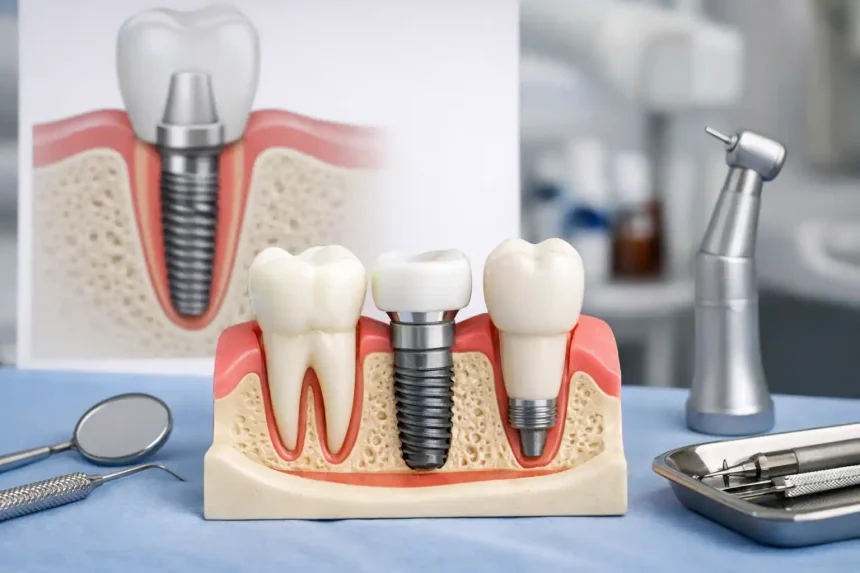
Emfyteymata are small, biocompatible posts—usually titanium or zirconia—surgically placed into the jawbone to act like artificial roots. After a healing period in which the bone fuses to the implant (osseointegration), a custom crown, bridge, or full-arch prosthesis is attached. In everyday life, they function and feel remarkably similar to natural teeth.
Who Is a Good Candidate?
- Healthy gums and sufficient jawbone volume, or willingness to consider bone grafting or sinus lift when needed
- Non-smoker or committed to reducing smoking before and after surgery
- Good oral hygiene habits and realistic expectations about timeline and cost
Pros of Emfyteymata
- Long-term stability: With proper care, implants can last decades and often outlive dentures
- Jawbone preservation: Stimulation from chewing helps prevent bone loss and facial collapse
- Natural feel and function: Strong bite force and no movement during speech or eating
- Aesthetics: Custom crowns are color-matched and shaped to your smile
- Convenience: No nightly removal; routine brushing and flossing apply
Cons of Emfyteymata
- Surgical procedure: Requires healing time (typically 3–6 months for full integration)
- Upfront cost: Higher initial investment than dentures
- Not instant: Multiple appointments and possible preparatory procedures
- Medical considerations: Certain conditions (uncontrolled diabetes, heavy smoking) can impact success
What Are Traditional Dentures?
Traditional dentures are removable prosthetic appliances that replace multiple missing teeth—and sometimes the full upper or lower arch. They rest on the gums and are supported by the underlying bone and soft tissues. Modern materials have improved comfort and appearance, but they still behave differently from natural teeth.
Types of Dentures
- Full dentures: Replace all teeth in an arch
- Partial dentures: Replace several missing teeth and clip to remaining natural teeth
- Immediate dentures: Placed the same day teeth are extracted as a temporary solution while gums heal
Pros of Dentures
- Lower initial cost compared to implants
- Faster turnaround from consultation to wearing teeth
- Non-surgical: Suitable for patients who prefer or need to avoid surgery
- Adjustable and replaceable as anatomy changes
Cons of Dentures
- Fit changes over time due to bone resorption, requiring relines or replacements
- Lower bite force and potential movement during eating or speaking
- Possible sore spots, adhesives, and daily removal for cleaning
- Can contribute to accelerated jawbone loss over years
Head-to-Head Comparison
Comfort and Function
- Emfyteymata: Fixed in place, feel like natural teeth; allow confident chewing of most foods, including crunchy produce and steak.
- Dentures: Removable; can shift, especially lowers; certain foods (nuts, crusty bread) may be challenging.
Aesthetics
- Emfyteymata: Individual crowns/bridges deliver lifelike translucency and gum contours.
- Dentures: Can look very natural, but gum recession and bone changes may alter appearance over time.
Longevity and Maintenance
- Emfyteymata: Potentially decades with routine care; crowns may need replacement every 10–15 years.
- Dentures: Typically replaced every 5–8 years due to wear and anatomical changes; require nightly soaking and careful handling.
Oral and Bone Health
- Emfyteymata: Help maintain bone volume through mechanical stimulation.
- Dentures: Do not stimulate bone; long-term wear is associated with gradual resorption and facial profile changes.
Cost Considerations
- Emfyteymata: Higher upfront cost, but may be cost-effective over time due to longevity.
- Dentures: Lower entry price, but periodic relines, repairs, and replacements add to lifetime cost.
Hybrid and Middle-Ground Options
If you want more stability without committing to a full set of individual implants, consider:
Implant-Retained Dentures (Overdentures)
- A few emfyteymata (usually 2–4 per arch) anchor a removable denture using snaps or bars
- Improved chewing efficiency and speech stability
- Easier hygiene than fixed full-arch bridges, with better affordability
Fixed Full-Arch Solutions (e.g., “All-on-4/6”)
- A full arch of teeth attached permanently to 4–6 emfyteymata
- High stability, excellent aesthetics, and strong function
- Streamlined timeline; often provisional teeth are placed the same day as surgery
What the Treatment Journey Looks Like
With Emfyteymata
- Consultation and 3D imaging to assess bone and map nerves and sinuses
- Treatment planning, including any extractions, grafts, or orthodontic adjustments
- Surgical placement of implants; temporary teeth may be provided
- Healing and osseointegration; then abutment placement
- Final prosthesis (crown, bridge, or full arch) fabrication and fit
With Dentures
- Impressions and measurements of your bite and smile line
- Try-in stage to refine shape, color, and comfort
- Final delivery with adjustments over the first weeks
- Periodic relines as gums remodel; replacement after several years
Daily Life: What to Expect
Eating
- Emfyteymata: Near-natural bite force; minimal dietary restrictions once healed
- Dentures: Learn to chew with both sides simultaneously; cut chewy foods into smaller pieces
Speaking
- Emfyteymata: Little to no adaptation needed
- Dentures: Short adaptation period; reading aloud helps with pronunciation
Cleaning
- Emfyteymata: Brush and floss like natural teeth; add interdental brushes or water flossers around implants
- Dentures: Remove nightly, brush gently, and soak in a denture cleanser; clean gums and tongue too
Safety, Risks, and Success Rates
- Emfyteymata: High long-term success (often cited above 90% at 10 years). Risks include infection (peri-implantitis), nerve irritation, and implant failure—usually mitigated with planning and hygiene.
- Dentures: Low medical risk; main issues involve fit, sores, and limited function. Regular checkups catch problems early.
How to Choose What’s Right for You
Consider These Factors
- Health status: Diabetes control, smoking, medications affecting bone
- Bone volume and gum condition
- Budget and willingness to invest long-term
- Desire for fixed vs removable teeth
- Tolerance for surgery and timeline to results
A Simple Decision Path
- Want the most natural feel and longest-term bone health, and you can handle surgery and higher upfront cost? Emfyteymata shine.
- Need a fast, cost-conscious, non-surgical solution? Dentures may be the better immediate fit.
- Seeking balance between stability and affordability? Overdentures or fixed full-arch on fewer implants are smart middle paths.
FAQs
Are emfyteymata painful?
Most patients report mild to moderate post-op discomfort managed with over-the-counter pain relief. The surgery is performed under local anesthesia, often with sedation options.
Can I be too old for implants?
Age itself isn’t a barrier; overall health and bone quality matter more. Many seniors do great with implants.
How long do dentures last?
With proper care, 5–8 years is typical before replacement.
Bottom Line
Both emfyteymata and traditional dentures can restore your smile and confidence. The best choice depends on your health, goals, budget, and lifestyle. Partner with a skilled dentist or oral surgeon for a personalized plan, and don’t be shy about asking for a side-by-side cost and timeline comparison—your future smile deserves it.

