
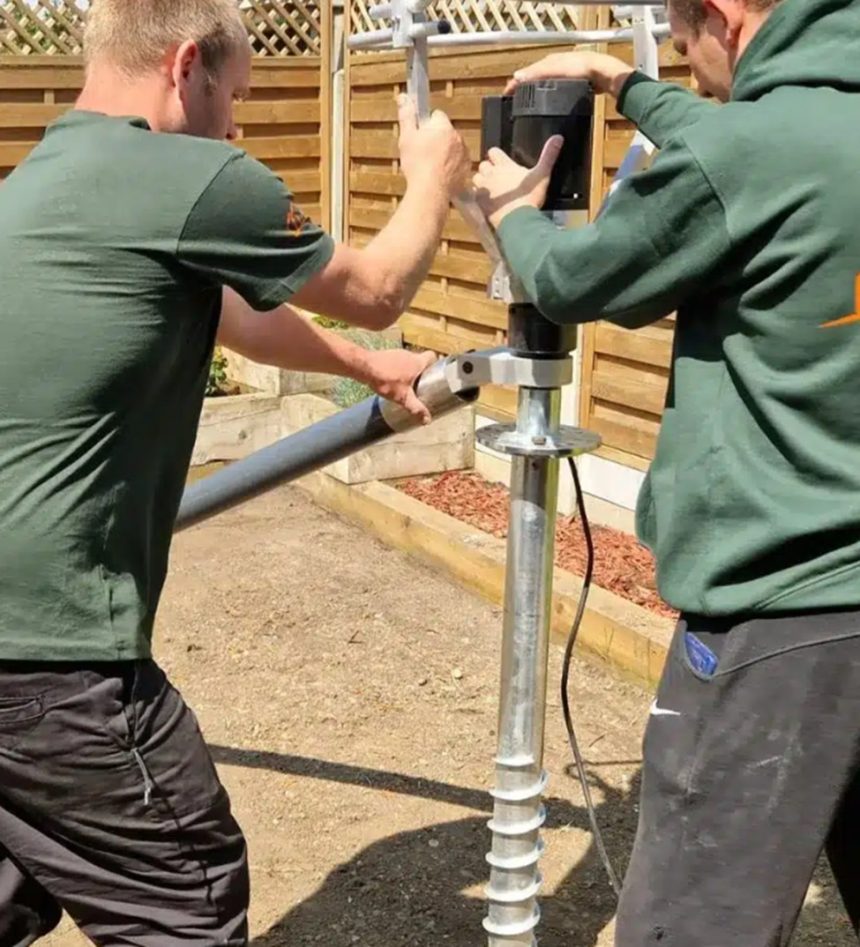
Ground screws, also known as screw piles or helical anchors, are innovative and versatile foundation systems used for a variety of construction projects. Their ease of installation, cost-effectiveness, and environmental friendliness have made them increasingly popular in recent years. If you’re considering using ground screws for your next construction project, here’s what you need to know about their installation process at Lokagroundscrews.co.uk .
Understanding Ground Screws
Ground screws are steel screw piles with helical blades at the lower end. They are screwed into the ground using hydraulic or handheld equipment, creating a stable foundation for various structures. These screws offer exceptional load-bearing capacity and can be installed in a wide range of soil conditions, including rocky or sandy terrain.
Site Assessment and Design
Before installing ground screws, it’s crucial to conduct a thorough site assessment and soil analysis. This evaluation helps determine the suitability of ground screws for the specific project. Factors such as soil type, groundwater levels, and load requirements are considered during the design phase to ensure optimal performance and longevity of the foundation.
Preparing for Installation
Preparing the installation site is a critical step in the process. The area should be cleared of any obstructions, debris, or vegetation that could hinder installation or damage the ground screw. It’s also essential to mark the positions where the screws will be installed to ensure accurate placement and alignment.
Equipment and Installation Process
Specialized equipment is used to install ground screws. Hydraulic machinery or handheld equipment, such as handheld augers or torque wrenches, can be employed depending on the project’s scale and requirements. The equipment ensures precise and efficient installation, minimizing the risk of errors.
The installation process involves screwing the piles into the ground, penetrating the soil to the desired depth. The helical blades provide increased stability and load-bearing capacity. The installation depth is determined based on load calculations, soil conditions, and project specifications. Multiple ground screws are typically installed in a grid pattern to distribute the load evenly.
Quality Control and Testing
After the ground screws are installed, quality control and testing procedures are conducted to verify their integrity. These tests include measuring torque values, verifying the depth of installation, and assessing verticality. These checks ensure that the screws are securely anchored and capable of supporting the intended loads.
Advantages of Ground Screws
Ground screws offer numerous advantages over traditional foundation systems. Some key benefits include:
a. Time and Cost Efficiency: Ground screws can be installed quickly, significantly reducing construction timelines. They also eliminate the need for extensive excavation and concrete curing, resulting in cost savings.
b. Minimal Environmental Impact: Ground screws have a minimal environmental footprint as they require no excavation or concrete usage. They can be easily removed and reused, making them a sustainable option.
c. Versatility: Ground screws can be used for a wide range of applications, including residential, commercial, and industrial projects. They are suitable for temporary structures, such as event stages, as well as permanent constructions like residential houses.
Conclusion
Ground screws provide a reliable and efficient alternative to traditional foundation systems. Their ease of installation, versatility, and environmental benefits make them an attractive choice for construction projects. By understanding the installation process and ensuring proper site assessment, you can harness the full potential of ground screws to create sturdy foundations for your structures.


