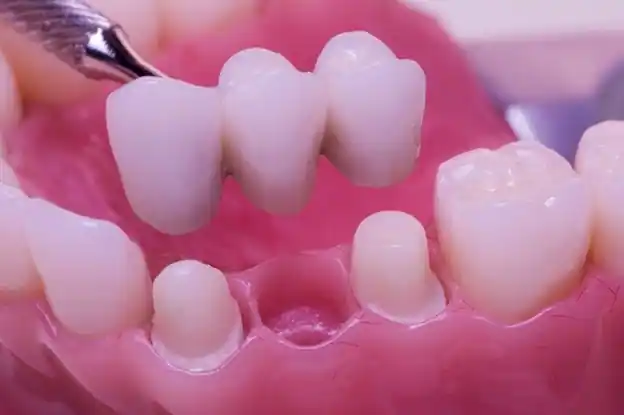
Tooth damage or loss is not just a cosmetic concern—it affects how you eat, speak, and maintain overall oral health. Fortunately, modern dentistry has advanced far beyond temporary solutions. One of the most reliable and long-lasting options available today is fixed dental prosthetics, a category of restorations designed to permanently restore function and aesthetics.
Unlike removable solutions, fixed dental prosthetics are securely attached to natural teeth or implants, providing stability and comfort that closely mimic natural teeth. These restorations have become the preferred choice for patients who want durability, functionality, and a natural appearance.
With advancements in materials and digital technology, fixed dental prosthetics now offer highly precise, customized solutions that improve both oral health and quality of life.
What Are Fixed Dental Prosthetics?
Fixed dental prosthetics are dental restorations that are permanently attached to the teeth or jaw and cannot be removed by the patient. They are designed to replace missing teeth, repair damaged ones, and restore normal function.
These prosthetics are typically bonded to existing teeth or supported by dental implants, ensuring a secure and stable fit.
Common types include crowns, bridges, and implant-supported restorations. Each type serves a specific purpose but shares the same goal—providing a permanent and reliable solution.
Types of Fixed Dental Prosthetics
Fixed dental prosthetics come in several forms, each tailored to different dental needs.
Dental Crowns
Crowns are caps placed over damaged or weakened teeth. They restore the tooth’s shape, strength, and appearance.
They are commonly used for teeth that have undergone root canal treatment or have significant structural damage.
Dental Bridges
Bridges are used or replace one and more missing teeth. They consist of artificial teeth anchored to adjacent natural teeth or implants.
Bridges help maintain proper alignment and prevent surrounding teeth from shifting.
Implant-Supported Prosthetics
These are attached to dental implants placed in the jawbone. They provide a strong and stable foundation for crowns, bridges, or full-arch restorations.
Implant-supported prosthetics are considered one of the most advanced solutions in modern dentistry.
Full-Arch Fixed Prosthetics
For patients with multiple missing teeth, full-arch solutions such as All-on-4 provide complete restoration using a limited number of implants.
These solutions offer both functionality and aesthetics, significantly improving quality of life.
Benefits of Fixed Dental Prosthetics
Fixed dental prosthetics offer several advantages over removable options.
One of the most important benefits is stability. Because they are permanently attached, they do not shift or move during use.
They also provide a natural look and feel. Modern materials and techniques ensure that restorations closely resemble natural teeth.
Durability is another key advantage. With proper care, fixed prosthetics can last for many years, making them a long-term investment.
They also improve oral health by maintaining proper alignment and preventing bone loss in the jaw.
Materials Used in Fixed Dental Prosthetics
The materials used in fixed dental prosthetics play a crucial role in their performance and appearance.
Zirconia is one of the most popular materials due to its strength and durability. It is often used for crowns and bridges in areas that experience high pressure.
Porcelain is widely used for its aesthetic qualities. It closely mimics the translucency of natural teeth, making it ideal for visible areas.
Metal alloys are sometimes used for additional strength, especially in cases where durability is a priority.
Hybrid materials combine the benefits of different substances, offering both strength and aesthetics.
The Process of Getting Fixed Dental Prosthetics
The process begins with a thorough evaluation by a dentist. This includes examining the teeth, taking impressions or digital scans, and planning the treatment.
Once the plan is finalized, the tooth or area is prepared for the prosthetic. This may involve reshaping the tooth or placing an implant.
The dental laboratory then creates the prosthetic based on precise measurements. Advanced technologies such as CAD/CAM ensure accuracy and consistency.
Finally, the prosthetic is fitted and adjusted to ensure comfort and proper function.
The Role of Dental Laboratories
Dental laboratories are essential in the creation of fixed dental prosthetics. They transform clinical plans into physical restorations with high precision.
Modern labs use digital workflows, including 3D scanning and automated milling, to produce accurate and consistent results.
Their expertise ensures that prosthetics fit perfectly, function properly, and look natural.
Challenges and Considerations
While fixed dental prosthetics offer many benefits, there are factors to consider.
The process may require multiple visits and, in some cases, surgical procedures such as implant placement.
Cost can also be higher compared to removable options. However, the long-term benefits often justify the investment.
Proper maintenance is essential to ensure longevity. Regular dental visits and good oral hygiene are necessary.
Maintenance and Care
Maintaining fixed dental prosthetics is similar to caring for natural teeth.
Patients should brush and floss regularly, visit the dentist for check-ups, and avoid habits that may damage the prosthetics.
Proper care ensures that restorations remain functional and aesthetically pleasing for years.
Advances in Fixed Dental Prosthetics
The field of dentistry continues to evolve, bringing new advancements to fixed dental prosthetics.
Digital dentistry has improved accuracy and reduced treatment time.
AI-assisted design allows for more precise customization.
New materials offer better durability and aesthetics.
These innovations are making fixed dental prosthetics more accessible and effective.
Why Fixed Dental Prosthetics Are the Preferred Choice
Compared to removable options, fixed dental prosthetics provide superior stability, comfort, and long-term performance.
They allow patients to eat, speak, and smile with confidence, without worrying about movement or discomfort.
For many patients, they represent the closest alternative to natural teeth.
The Future of Fixed Dental Prosthetics
The future of fixed dental prosthetics is driven by technology and innovation.
We can expect more personalized treatments, faster production times, and improved materials.
As these advancements continue, patients will benefit from even better outcomes and experiences.
Conclusion
Fixed dental prosthetics are a cornerstone of modern restorative dentistry, offering permanent solutions that restore both function and aesthetics. By combining advanced materials, digital technology, and skilled craftsmanship, these restorations provide reliable and long-lasting results.
While the process may require time and investment, the benefits in terms of comfort, durability, and confidence are significant. For anyone seeking a stable and natural-looking solution to dental issues, fixed dental prosthetics remain one of the best options available.
In the end, restoring your smile is not just about appearance—it is about improving your overall quality of life.