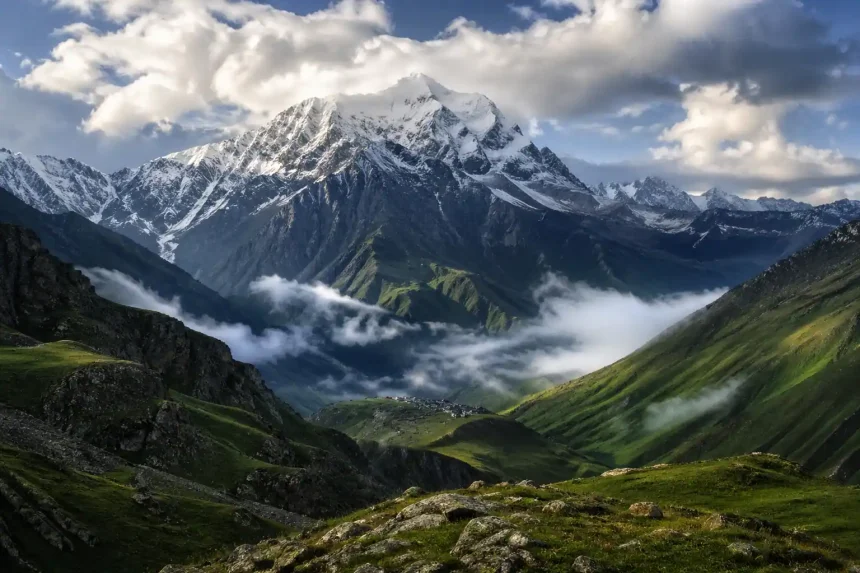
Georgia is a practical destination for adventure travel, but it requires some planning if you want things to run smoothly. Mountain regions are not always easy to reach, and transport options can be limited depending on the season. Travellers researching Georgia trips quickly realise that getting from Tbilisi to remote hiking areas or smaller villages depends heavily on timing, route planning, and local transport availability.
Costs are generally lower than in Western Europe, but that does not automatically make the trip inexpensive if you rely too heavily on last-minute bookings or private transport. Small decisions made early in the planning process can have a major impact on both your budget and the overall experience. Getting the basics right before arrival makes the rest of the trip far easier and more enjoyable.
Planning Adventure Travel in Georgia
Best Time for Hiking, Skiing, and Mountain Trips
Timing affects access, safety, and overall travel conditions more than many visitors expect when exploring Georgia. Hiking season generally runs from late spring through autumn, although higher mountain regions can still have snow well into the warmer months. Early summer and early autumn are often considered the most comfortable periods for trekking, with stable weather and fewer crowds than peak summer.
Winter brings strong skiing conditions in the mountain resorts, especially during the colder months when snowfall is more consistent. Weather in Georgia’s mountain regions can change quickly, so flexibility and preparation are important regardless of the season.
Budgeting and Tour Planning
Georgia is often seen as a budget-friendly adventure destination, but costs still depend heavily on how you organise your trip. Mountain areas usually have fewer accommodation options than cities, which can increase demand during busy periods.
Guided tours can simplify transport, lodging, and route planning, while independent travel offers more flexibility for experienced travellers who prefer organising everything themselves. Planning helps avoid last-minute decisions that often lead to unnecessary spending or limited choices, especially in remote regions.
Hiking in Georgia’s Mountain Regions
Popular Hiking Areas and Routes
Georgia offers a wide range of hiking regions, each with its own style and level of difficulty. Kazbegi is one of the most accessible mountain areas and attracts travellers looking for scenic day hikes and dramatic landscapes. Svaneti is known for longer village-to-village treks that pass through remote valleys and historic mountain communities.
Tusheti feels more isolated and rugged, making it better suited for travellers seeking quieter trails and a more adventurous atmosphere. Trail conditions vary depending on the region, and some routes require basic navigation skills and preparation.
Guided vs Independent Hiking
Choosing between guided and independent hiking depends mostly on your experience level and comfort with planning. Guided hikes offer local knowledge, logistical support, and added safety in unfamiliar terrain. Independent hiking allows more flexibility and freedom but requires proper preparation, especially in areas with changing weather or limited mobile coverage.
Many travellers combine both approaches by joining guided tours for remote routes while exploring easier trails independently.
Skiing and Winter Sports in Georgia
Main Ski Resorts and Conditions
Georgia has developed a growing reputation for skiing because it combines mountain scenery, reliable winter conditions, and a more relaxed atmosphere than many larger European ski destinations. Gudauri is the country’s best-known resort and attracts experienced skiers with its off-piste terrain and alpine setting.
Bakuriani is smaller and more beginner-friendly, with gentler slopes and a slower pace overall. Ski infrastructure continues to improve across the country, although some resorts still feel less commercial and more rugged than major international destinations.
Equipment, Transport, and Practical Tips
Winter travel in Georgia requires some preparation, especially when visiting mountain regions. Equipment rentals, lessons, and shared transfers are widely available in the main ski areas, making skiing accessible even for first-time visitors.
Transport to mountain resorts can take longer than expected, depending on weather and road conditions, so building flexibility into your schedule is helpful. Booking accommodation and transport ahead of time is especially important during the busiest part of the ski season when demand increases significantly.
Mountain Tours and Multi-Day Adventures
Types of Mountain Tours Available
Organised mountain tours are one of the easiest ways to reach remote parts of Georgia that are difficult to access independently. Trekking tours are popular in regions like Kazbegi and Svaneti, while jeep tours are commonly used for more rugged destinations such as Tusheti.
Some itineraries combine hiking with cultural experiences, local villages, and historical landmarks, creating a broader view of the country beyond outdoor activities alone. Group tours are often more practical for travellers looking to simplify logistics and transportation.
What to Expect and How to Prepare
Adventure travel in Georgia focuses more on the experience and landscape than on luxury or comfort. Accommodation in mountain areas is often simple but welcoming, with guesthouses being more common than hotels. Weather conditions can change rapidly, especially at higher elevations, so proper clothing and preparation are essential.
Physical fitness also plays a role, particularly for multi-day hikes that involve steep trails and long walking hours. Travellers who prepare properly usually find Georgia rewarding because of the variety and access the country offers within a relatively compact area.
Georgia makes adventure travel accessible while still feeling raw and authentic. With the right planning, travellers can experience hiking, skiing, mountain villages, and remote landscapes without the complexity or high costs often associated with larger adventure destinations. Small decisions around timing, transport, and route planning have a major impact on the overall experience, which is why preparation matters before arriving.