
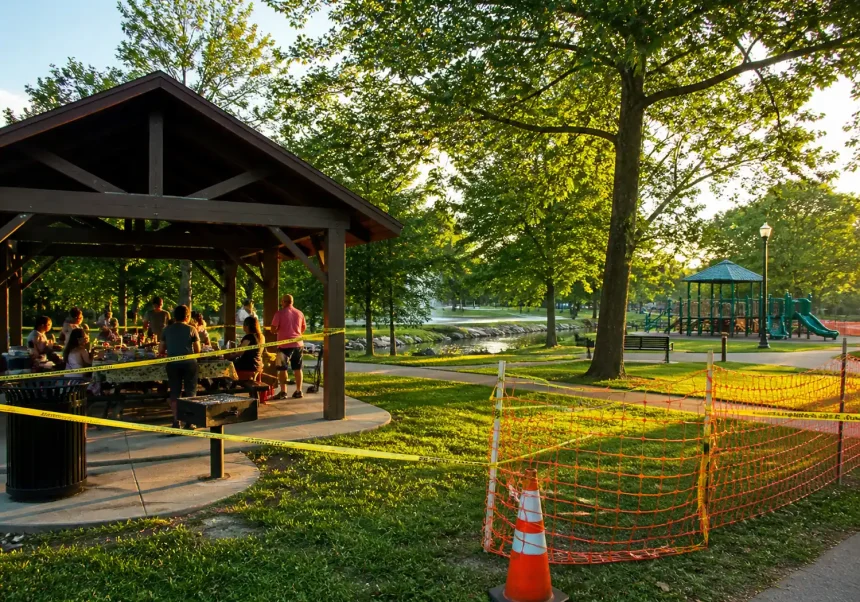
Planning an event at Lititz Springs Park comes with a unique set of community-centered rules designed to protect the park’s natural features, safeguard visitor experience, and keep the borough’s traditions intact. This guide walks you through the key restrictions, permit steps, and practical guidelines to help you host a compliant, welcoming, and memorable gathering.
Key Principles to Know First
- Community-first usage: The park serves residents and guests; events must preserve shared access and minimize disruption.
- Conservation matters: All setups and activities should protect water features, trees, lawns, and wildlife.
- Safety before spectacle: Capacity, crowd flow, and emergency access take priority over amenities.
- Compliance is mandatory: Permits, insurance, and adherence to posted rules are required for organized activities.
What Counts as an “Event” Here?
- Any organized activity that advertises publicly, reserves space, or uses structures/equipment beyond everyday recreation.
- Examples: festivals, charity walks, concerts, fitness classes, corporate picnics, markets, ceremonies, and photo shoots with staging.
Small Gatherings vs. Organized Events
- Small, informal use: Family picnics or meetups under typical park use may not require a permit if they don’t block paths or use amplified sound.
- Organized events: Anything with vendors, stages, amplified music, admission, crowd control, or exclusive use typically requires a permit and proof of insurance.
Permit Pathway: Step-by-Step
Step 1: Define your scope
- Date, time window, and estimated attendance
- Activities (music, vendors, tents, inflatables, staging)
- Space needs (gazebos, pavilions, pathways, Springs area)
Step 2: Check availability and restrictions
- Seasonal blackout dates around peak community events
- Quiet hours and neighborhood-sensitive times
- Capacity thresholds for specific lawns or structures
Step 3: Submit the application
- Event description, layout map, and schedule
- Insurance certificate (commonly naming the park/borough as additionally insured)
- Safety plan (crowd management, emergency egress, weather contingencies)
Step 4: Obtain approvals and pay fees
- Park review and conditions of use
- Security, sanitation, and staffing requirements
- Deposit and rental or impact fees
Step 5: Confirm vendors and logistics
- Electrical access, generator placement, cable management
- Tents and staking approvals (utilities protection)
- Food vendor permits, health department compliance, fire safety checks
Core Restrictions You Should Expect
Access and circulation
- Keep primary walkways and bridges open; do not obstruct scenic viewpoints or the Springs edge.
- Preserve emergency access lanes, especially near pavilions and narrow paths.
Capacity and footprint
- Adhere to posted occupancy for pavilions and greens; cap overall attendance if required by permit.
- Avoid turf damage with protective flooring where foot traffic is concentrated.
Noise and amplification
- Amplified sound typically requires prior approval; observe quiet hours, especially around mornings and evenings.
- Point speakers away from residences; set decibel limits as specified in permit conditions.
Commercial activity and sales
- Vending or sales are restricted to preapproved areas; all vendors must be listed on the permit.
- No on-site alcohol sales without explicit authorization; BYO alcohol is commonly prohibited in public parks.
Structures, tents, and décor
- Use only approved anchoring; no stakes where utilities may be present without sign-off.
- Do not attach items to trees, railings, or historic structures; use free-standing fixtures.
Water features and wildlife
- No wading, swimming, or equipment in the Springs or stream; maintain safe buffer zones.
- Feeding wildlife is prohibited; secure waste to prevent animal interference.
Drones, photography, and media
- Drone flights typically require special permission and must follow FAA rules.
- Commercial photography or filming may require an additional permit and insurance.
Waste, recycling, and sanitation
- Pack-in/pack-out principle for small groups; larger events must provide extra receptacles and post-event cleanup.
- Restroom access: rent portable units when expected attendance exceeds facility capacity.
Vehicles and loading
- Vehicles are restricted to designated loading zones; no driving on lawns or pathways without written approval.
- Timed load-in/load-out windows reduce disruption to everyday park users.
Safety and Risk Management
Weather and grounds protection
- Wet turf protection plan, including alternate surfaces or rain dates
- Lightning and high-wind protocols for tents, stages, and inflatables
Crowd, security, and medical
- Staffing ratios for marshals/volunteers by attendance bands
- Coordination with local police or security when thresholds are met
- First aid kit on-site; identify nearest AED and hospital route
Fire and electrical
- Fire extinguishers near cooking and generator zones; no open flames without approval
- GFCI protection, cable covers on pedestrian routes, and load calculations for circuits
Designing a Layout that Works
Site mapping essentials
- Entrances, exits, and clear aisles at least 6–8 feet wide for two-way flow
- Accessible routes to all programmed areas, including ramps and firm surfaces
- Vendor spacing to prevent crowd pinch points and to keep views open to the Springs
Signage and wayfinding
- Simple, unobtrusive directional signage; remove all signs after the event
- Information board with schedule, rules (no smoking, no alcohol), and lost-and-found
Community Etiquette and Good Neighbor Tips
- Announce setup/teardown windows to nearby residents and businesses in advance.
- Use low-impact lighting and end amplified sound on schedule.
- Recruit volunteers for post-event litter sweeps to leave the park better than you found it.
Insurance, Fees, and Documentation
- General liability coverage is commonly required; confirm limits and additional insured wording.
- Expect rental, impact, and security fees based on size and complexity; deposits may be refundable after inspection.
- Keep copies of all approvals, vendor permits, and inspection sign-offs on-site.
Frequently Asked Questions
Do I need a permit for a small birthday picnic?
If you’re not reserving structures, using amplification, or blocking access, typically not. If in doubt—or if your group exceeds posted pavilion capacity—apply for a permit.
Can I serve alcohol?
Generally restricted or prohibited. Service or sales require explicit, written authorization and may trigger extra insurance and security requirements.
Are dogs allowed at events?
Leashed pets may be allowed, but event-specific restrictions can apply. Provide water stations and pet-waste bags; some family areas may be pet-free during events.
What about fundraising or ticketed entry?
Ticketing, gated areas, or fundraising activities require prior approval and must maintain public access to non-reserved areas.
Pre-Event Checklist
- Permit approved and on-site
- Insurance certificate issued and filed
- Site map with emergency routes
- Vendor list and inspections scheduled
- Power, sanitation, and waste plan finalized
- Weather backup and communications plan
Post-Event Wrap-Up
- Final sweep and trash removal completed
- Equipment removed and grounds inspected
- Incident log updated and deposit reconciliation started
Final Takeaway
Lititz Springs Park welcomes thoughtfully planned events that respect the park’s character and community. With early coordination, clear permits, and careful stewardship, your gathering can run smoothly—and become a positive part of Lititz tradition.

