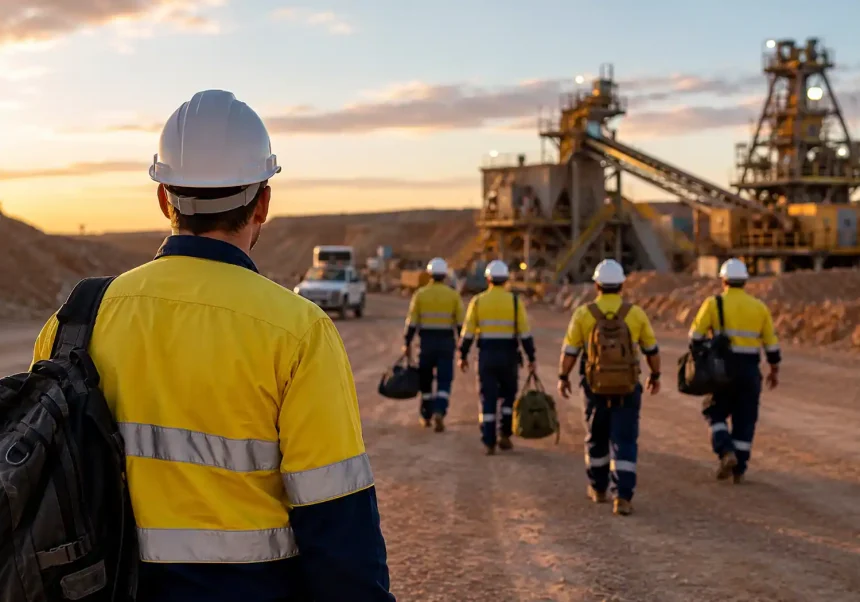
What Are FIFO Jobs?
Fly-in fly-out (FIFO) jobs are roles where employees travel to remote worksites—often in mining, energy, construction, and infrastructure—on fixed rosters, then return home for rest periods. Employers typically cover flights, site accommodation, and meals. In 2026, FIFO remains a core employment model across Australia’s remote regions, balancing high pay with unique lifestyle trade-offs.
How FIFO Rosters Typically Work
- Common patterns: 2/1, 2/2, 8/6, or 14/7 (days on/days off)
- Shifts: 10–12 hours per day, with strict fatigue management
- Site life: Camp-style accommodation, shared or en-suite rooms, gyms, mess halls, recreation areas
- Travel: Company-booked flights and ground transfers to/from site
Why FIFO Jobs Remain in Demand in 2026
- Major project pipelines: Critical minerals (lithium, nickel, rare earths), LNG maintenance, onshore wind/solar farms, transmission lines, and rail upgrades
- Skills shortages: Licensed trades, heavy equipment operators, and experienced supervisors remain scarce
- Premium pay: Site allowances, overtime, and retention bonuses elevate total compensation
- Remote operations: Many assets sit far from cities, making FIFO the most practical staffing model
Top High-Paying FIFO Job Categories
1) Mining and Resources
- Heavy Diesel Fitters and Mobile Plant Mechanics: Maintain haul trucks, graders, dozers; high base rates plus tool and site allowances
- Drill and Blast Technicians: Shotfirers, blast crew, blast engineers; strong premiums for night shift and production targets
- Geologists and Mine Engineers: Grade control, pit optimisation, planning, and scheduling; bonuses tied to output and safety KPIs
- Process Plant Operators: Crushers, mills, flotation, leach circuits; incentives for metallurgical recovery and uptime
2) Energy and Renewables
- Electrical and Instrumentation (E&I) Technicians: Commissioning, SCADA, PLCs, substations; strong demand across solar/wind farms and gas plants
- Wind Turbine Technicians: Tower climbs, gearbox inspections, blade repairs; IRATA-qualified techs command higher rates
- HV/LV Electricians: Grid connection, switchrooms, substations, battery storage integration
- Mechanical Fitters: Balance-of-plant maintenance, rotating equipment, compressors, pumps
3) Construction and Major Infrastructure
- FIFO Project Engineers and Supervisors: Earthworks, concrete, structural steel; night shifts and remote allowances add uplift
- Crane Operators and Riggers: C6/C1/CO tickets, advanced rigging; critical on bridge, port, and plant builds
- Civil Plant Operators: Excavator, grader, scraper, loader; experience on GPS machine control preferred
- Formwork Carpenters and Concreters: Slabs, footings, tilt panels; strong pipeline in industrial builds
4) Health, Safety, and Site Services
- HSE Advisors and Safety Coordinators: Risk assessments, incident investigations, audits; strong hiring due to regulatory focus
- Medics/Paramedics and Nurses: Onsite clinics, emergency response, health surveillance
- Camp Managers and Chefs: Village operations, food safety, menu planning; consistent demand to support large workforces
- Warehouse, Logistics, and Stores: Inventory, receipting, dangerous goods compliance
Expected Salaries and Allowances
While pay varies by state, site, and roster, FIFO packages in 2026 generally include:
- Hourly base: Licensed trades often earn AU$55–$80+ per hour; engineers/managers earn higher annualised packages
- Uplifts: Site, remote, and project-specific allowances; night shift and weekend penalties
- Overtime: Time-and-a-half or double time according to EA or site policy
- Bonuses: Retention, completion, and safety performance incentives
- Benefits: Flights, meals, accommodation, uniforms, and sometimes relocation or sign-on bonuses
Tip: Evaluate total remuneration (TRP), not just the base rate, to compare offers accurately.
In-Demand Locations and Hubs
- Western Australia: Pilbara and Goldfields for iron ore, lithium, and nickel; Perth as the main FIFO hub
- Queensland: Bowen and Galilee Basins for coal and gas; Townsville, Rockhampton, and Brisbane hubs
- South Australia and Northern Territory: Copper, uranium, rare earths; Adelaide and Darwin as launch points
- New South Wales and Victoria: Transmission upgrades, wind/solar builds, battery storage, and infrastructure
Entry Paths and Qualifications
Trade and Technical Pathways
- Apprenticeships in electrical, mechanical, fabrication, automotive (diesel) trades
- High-Risk Work Licences: Forklift (LF), EWP, dogging/rigging, crane tickets
- Mobile plant tickets: Excavator, loader, grader, dozer; VOCs and experience with GPS control
- Electrical: WA/QLD/NSW licences, LVR/CPR, HV switching, instrumentation
Professional Pathways
- Engineering (mining, mechanical, electrical, civil), geology, HSE, project management
- Graduate programs with rotations through remote sites
- Certifications: ICAM lead investigator, Cert IV WHS, PMP/PMI-ACP for project roles
Safety and Compliance Essentials
- White Card, medicals, drug and alcohol screening
- Standard 11 (QLD) or Mining Induction (state-specific), MSIC for ports, First Aid/CPR
- Working at Heights, Confined Space, Gas Test Atmospheres; IRATA for rope access roles
How to Land a FIFO Job in 2026
Build a Targeted Resume
- Front-load tickets, licences, and site-ready credentials
- Quantify impact: production rates, downtime reductions, safety stats
- List equipment families (e.g., CAT 793, Hitachi EX5600, Liebherr T 264) and control systems
Optimise Your Job Search
- Register with specialised recruiters and labour hire firms
- Monitor operators’ and EPCM contractors’ career portals
- Set alerts on major job boards using “fifo jobs” plus trade/discipline and state
- Network with supervisors and planners on professional platforms
Nail the Screening and Onboarding
- Prepare for technical assessments and scenario-based safety questions
- Keep medicals, inductions, and police checks current
- Be flexible on initial rosters and locations to gain first-site experience
Roster Life: Balancing Pay, Health, and Family
- Routine: Prioritise sleep hygiene, hydration, and nutrition; use onsite gyms and recreation
- Connection: Schedule regular calls during off-shift; plan meaningful R&R activities
- Financials: Budget with variable overtime; maintain an emergency fund for roster gaps
- Mental health: Use Employee Assistance Programs (EAP) and peer support; watch for fatigue and isolation
Red Flags When Evaluating Offers
- Vague rosters or constant last-minute changes without compensation
- Poor safety performance or high incident rates
- Unclear EA coverage, overtime rules, or allowance structure
- Limited training pathways and no equipment upgrade opportunities
Future Trends Shaping FIFO Work
- Automation and autonomy: Remote operations centres, autonomous haulage, predictive maintenance
- Energy transition: Surge in construction/completion crews for renewables and transmission
- Data and digital: CMMS, IoT sensors, drones for inspection; demand for tech-savvy trades
- Workforce wellbeing: Better camps, connectivity, flexible rosters, and family-inclusive policies
Quick Application Checklist
- Up-to-date resume highlighting FIFO-readiness
- Copies of licences, tickets, and medical clearances
- Two site-based referees (supervisors or superintendents)
- Willingness to complete pre-start inductions and verifications
Key Takeaways for 2026
- FIFO jobs continue to offer high pay and fast career progression across mining, energy, and infrastructure
- Targeted credentials, safety focus, and flexibility are decisive advantages
- Evaluate offers on total package value and roster quality, not just the hourly rate
- Staying site-ready and proactive keeps you at the front of the hiring queue