
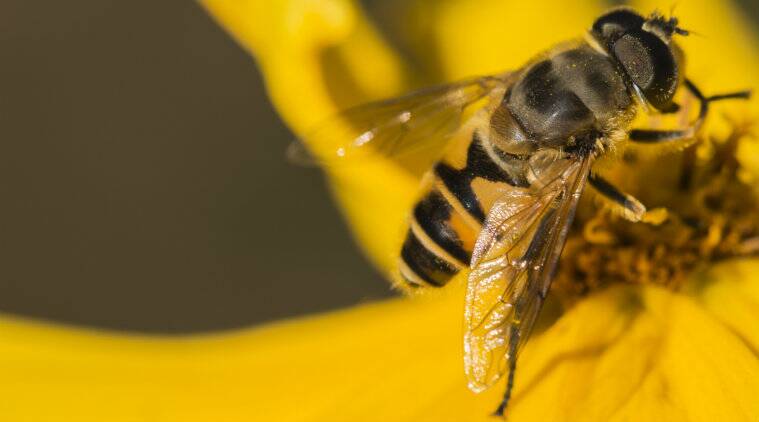
Climate change is a global issue with far-reaching implications, impacting everything from vast marine ecosystems to sleepy back garden wasp populations. These flying, stinging insects may seem like a small and insignificant part of the wider picture. Still, their presence or absence can have significant consequences for entire food webs and vulnerable species.
Understanding Wasp Behavior
Before we can look at the impact of climate change on wasp populations, it is important to understand the behavior of these insects. Wasps are social creatures that live in colonies made up of a queen and her offspring. The queen will build a nest for the colony, lay eggs to ensure its survival throughout the season, and then have workers feed and maintain the nest.
How does climate change affect Wasps?
Climate change has an effect on wasps in two distinct ways. Firstly, it can cause environmental changes that directly impact wasp behavior and their ability to survive and thrive.
Most queen wasps still do not survive the winter. A warm winter means more queens and workers survive into the summer months, which leads to larger colonies and more successful broods. Increasingly warm temperatures mean wasps can expand their range further north than before, meaning more competition for resources such as food and nesting locations for other species.
Second, climate change may reduce the availability of wasp food sources and the number and variety of flowers that give vital nectar. This means fewer larvae will survive, causing colonies to become more vulnerable and less productive. This can have an impact on other species in the ecosystem, such as bees, who may find it difficult to obtain the same resources.
Implications for Humans
The decline of wasps could have an adverse effect on humans as well. Wasps are important predators, controlling wasp populations and keeping them in check. For example, the European Wasp is a major predator of pests such as caterpillars, which can cause significant damage to crops. Wasps also pollinate flowers and carry pollen between different plants, helping to maintain genetic diversity. Without them, the health of our food sources could suffer significantly.
Mitigation and conservation efforts
Given the important role that wasps play in our environment, creating and maintaining habitats specifically for them is important. Planting native trees and flowers which provide nectar and pollen can help ensure food sources remain plentiful for wasps. In addition, creating ponds or shallow water dishes will attract some species of wasps that rely on hydration for survival. Finally, avoiding the use of pesticides and herbicides can help to keep wasp populations healthy.
Climate change is already having significant effects on wildlife, in addition to humans. It is critical to comprehend the ramifications of this for wasp populations to mitigate and conserve them. Not only will we be helping protect fragile species, but we will also be building a healthier environment for all of us.
