
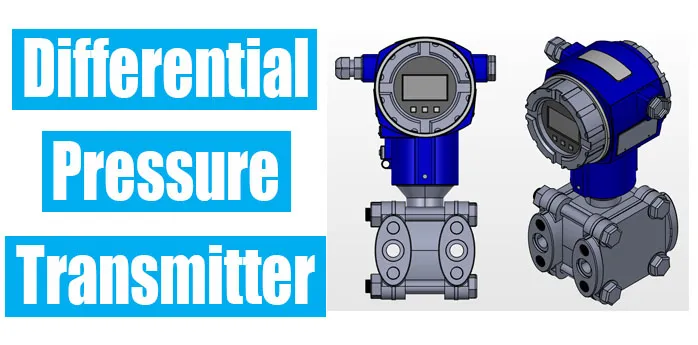
Differential pressure transmitters are crucial in various industrial applications, enabling precise measurements of pressure differences across different points. These versatile devices are widely used in industries such as oil and gas, chemical processing, HVAC, and pharmaceuticals. If you’re new to differential pressure transmitters, this beginner’s guide will help you understand their fundamentals, working principles, and key applications.
Understanding Differential Pressure
Differential pressure refers to the variation in pressure between two different points in a system. It is often measured to determine flow rates, level changes, and filter conditions. Differential pressure transmitters are specifically designed to measure these pressure differences accurately.
Components of a Differential Pressure Transmitter
A typical differential pressure transmitter consists of three main components: a sensor, a process connection, and an electronic circuit. The sensor, usually a diaphragm or a piston, detects the pressure difference and converts it into an electrical signal.
The process connection allows the transmitter to be connected to the system while the electronic circuit amplifies and converts the sensor’s signal into a standardized output.
Working Principle
For a differential pressure transmitter to work, it relies on hydrostatic pressure. When a pressure difference is applied across the diaphragm or piston, it causes a displacement proportional to the pressure change. This displacement is converted into an electrical signal through various sensing mechanisms, such as strain gauges or capacitance.
Calibration and Accuracy
Differential pressure transmitters require regular calibration to ensure accurate measurements. Calibration involves comparing the transmitter’s output to a known reference and adjusting it accordingly. Most transmitters offer a range of accuracy options, allowing users to select the appropriate level of precision for their specific application.
Key Applications
Differential pressure transmitters find extensive use in numerous industries. Some common applications include:
Flow Measurement: By measuring the pressure difference across an obstruction, such as an orifice plate or a venturi tube, the transmitter can determine fluid flow rates accurately.
Level Measurement: Differential pressure transmitters can measure the level of liquids or gases in tanks or vessels by sensing the pressure difference between the top and bottom.
Filter Monitoring: They are used to monitor the condition of filters by measuring the pressure drop across them. This helps determine when filters need cleaning or replacement.
HVAC Systems: Differential pressure transmitters play a vital role in maintaining proper air balance, airflow measurement, and optimizing energy consumption in heating, ventilation, and air conditioning systems.
Pharmaceutical Industry: These transmitters are used in pharmaceutical applications, such as monitoring pressure differences in cleanrooms and ensuring proper filtration and ventilation.
Installation Considerations
Proper installation is crucial for the optimal performance of differential pressure transmitters. Factors to consider include:
- Selecting the appropriate sensor type.
- Correctly positioning the transmitter.
- Ensuring the process connection is compatible with the system.
- Maintenance and Troubleshooting
Regular maintenance ensures differential pressure transmitters’ long-term accuracy and reliability. This includes periodic calibration, checking for leaks, and verifying the integrity of electrical connections. In case of any issues, troubleshooting steps can involve checking the power supply and signal transmission and inspecting the sensor for damage or clogging.
Conclusion
Differential pressure transmitters are essential for measuring pressure differences in various industrial applications. Understanding their basic principles, components, and key applications is crucial for beginners.
By grasping the fundamentals in this beginner’s guide, you will be better equipped to select, install, and maintain differential pressure transmitters for accurate and reliable pressure measurements in your industry. And if you need further assistance, contact us at microsensorcorp.com

