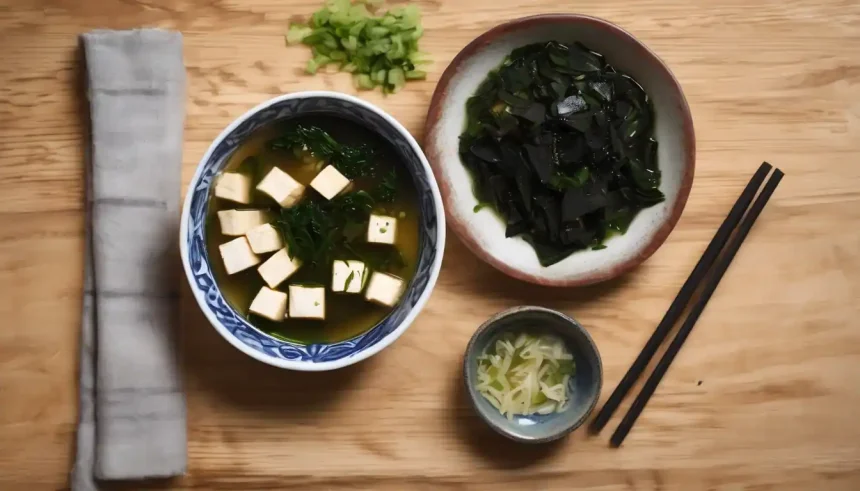
What Is Γουακαμε?
Γουακαμε (wakame) is an edible seaweed with a subtly sweet, ocean-bright flavor and a silky, tender bite. I think of it as a flavor amplifier: it wakes up broths, lightens salads, and brings depth to grain bowls without overwhelming other ingredients. You’ll often find it dried, which makes it affordable, shelf-stable, and easy to use on busy weeknights.
- Botanical family: Brown algae (Phaeophyceae)
- Forms sold: dried flakes, ribbons, salted fresh, instant soup cut
- Core tastes and textures: delicate umami, faint sweetness, soft with a gentle chew
Tip: A little goes a long way. Dried γουακαμε expands 5–10x in water, so measure conservatively.
Nutrition and Benefits
I reach for γουακαμε when I want light nourishment that still tastes indulgent. Per typical serving, it’s low in calories yet naturally rich in minerals.
- Iodine and trace minerals for thyroid support
- Magnesium, calcium, and manganese for bones and muscles
- Vitamins A, C, E, and K alongside carotenoids
- Natural glutamates that boost umami without extra salt
Note: If you’re managing thyroid conditions or following a low-iodine protocol, check with your clinician before frequent consumption.
Buying and Storing
Choosing quality makes a real difference in flavor and texture.
- What to look for: clean, dark olive color; even cut; minimal powder at the bottom of the bag
- Labels: “wakame,” “miyeok” (Korean), or “undaria pinnatifida” (Latin name)
- Storage: keep sealed, dry, and away from sunlight for up to a year; once rehydrated, store in the fridge and use within 3–4 days
Sustainability note: Many producers harvest farmed γουακαμε, a renewable crop that can support coastal ecosystems. Prefer brands that publish harvest regions and testing standards.
How to Prepare Γουακαμε
Rehydrating is fast and forgiving.
- Measure: 1 tablespoon dried γουακαμε for 1–2 servings.
- Soak: Cover with cool water for 5–10 minutes until soft and expanded.
- Rinse and squeeze: Rinse briefly to remove excess salinity, then gently squeeze dry.
- Cut: Slice into bite-size pieces if using ribbons.
Flavor boosters while soaking: a splash of rice vinegar for brightness, or a piece of kombu to deepen umami if you’re prepping for soups.
Cooking Methods at a Glance
- No-cook: salads, slaws, chilled noodles, grain bowls
- Quick simmer: miso soups, brothy noodles, tofu stews
- Stir-in: omelets, fried rice, savory pancakes
- Pickled: quick marinades with citrus and soy
I aim for minimal heat to preserve color and tenderness—add γουακαμε in the last 2–3 minutes of cooking.
Easy Weeknight Recipes
1) 10-Minute Miso Soup with Γουακαμε
Serves 2
Ingredients:
- 2 cups low-sodium dashi or vegetable broth
- 1 tablespoon white or yellow miso paste
- 1 tablespoon dried γουακαμε, soaked and squeezed
- 1 small block silken or soft tofu, cubed
- 1 scallion, thinly sliced
Steps:
- Warm broth to a bare simmer.
- Whisk 2–3 tablespoons hot broth into miso to loosen; stir back into the pot off heat.
- Add tofu and γουακαμε; wait 2 minutes to warm through.
- Finish with scallions. Taste and adjust with a touch more miso if needed.
Make it yours: Add mushrooms, grated ginger, or a few drops of toasted sesame oil.
2) Bright Cucumber–Γουακαμε Salad (Sunomono Style)
Serves 2–3
Ingredients:
- 1 English cucumber, thinly sliced
- 1 tablespoon dried γουακαμε, soaked and squeezed
- 2 tablespoons rice vinegar
- 1 teaspoon sugar or honey
- 1 teaspoon light soy sauce or tamari
- Pinch of salt
- 1 teaspoon toasted sesame seeds
Steps:
- Toss cucumber with a pinch of salt; let stand 5 minutes, then gently squeeze out moisture.
- Whisk vinegar, sugar, and soy.
- Combine cucumber and γουακαμε with dressing; top with sesame seeds.
Twists: Add orange segments, radish matchsticks, or chili threads for heat.
3) Sesame-Garlic Γουακαμε Noodles
Serves 2
Ingredients:
- 180–200 g soba or thin wheat noodles
- 1 tablespoon dried γουακαμε, soaked and squeezed
- 1 tablespoon sesame oil
- 1 tablespoon neutral oil
- 2 cloves garlic, minced
- 1 tablespoon soy sauce
- 1 teaspoon rice vinegar
- 1 teaspoon maple syrup or sugar
- Optional: chili flakes, sliced scallions, crushed peanuts
Steps:
- Cook noodles until just tender; rinse under cold water and drain well.
- Warm oils, add garlic for 30 seconds.
- Off heat, stir in soy, vinegar, and sweetener.
- Toss noodles with sauce and γουακαμε. Top as you like.
Meal-prep hint: Keep the sauce separate and toss before serving to avoid soggy noodles.
4) Sheet-Pan Salmon with Lemon–Γουακαμε Butter
Serves 2–3
Ingredients:
- 2 salmon fillets
- 2 tablespoons softened butter (or olive oil for dairy-free)
- Zest of 1 lemon + 2 teaspoons juice
- 1 tablespoon finely chopped rehydrated γουακαμε
- Salt and pepper
Steps:
- Heat oven to 200°C. Line a sheet with parchment.
- Mix butter with lemon zest, juice, and γουακαμε.
- Season salmon; spread butter on top.
- Bake 10–12 minutes until just flaky.
Pair with: steamed rice and quick-pickled cucumbers.
Flavor Pairing Guide
- Citrus: lemon, yuzu, orange
- Aromatics: ginger, garlic, scallion
- Proteins: tofu, salmon, shrimp, poached eggs
- Vegetables: cucumber, radish, spinach, edamame, mushrooms
- Staples: miso, soy sauce, sesame oil, mirin, rice vinegar
I like to balance γουακαμε’s briny sweetness with acid or spice, then add crunch (seeds or nuts) for contrast.
Common Mistakes (and Fixes)
- Oversoaking: It gets too soft. Fix by squeezing well and adding at the very end of cooking.
- Overseasoning: Remember umami amplifies salt; start with less soy/salt.
- Dull color: Prolonged boiling fades it. Keep cook time brief and heat gentle.
FAQ
Is γουακαμε gluten-free?
Yes—on its own. Check labels for cross-contamination on flavored or instant products.
Can I eat it raw?
It’s typically soaked rather than cooked. After rehydrating and rinsing, it’s ready for salads and bowls.
How much should I use?
1–2 tablespoons dried per dish is plenty for 2 servings. Adjust to taste.
Quick Shopping Checklist
- Dried γουακαμε (whole ribbons or cut)
- Miso paste and soy sauce
- Rice vinegar and sesame oil
- Noodles or rice
- Tofu and scallions
With a small pantry kit and a packet of γουακαμε, I can reliably turn a simple meal into something bright, savory, and satisfying—even on the busiest nights.