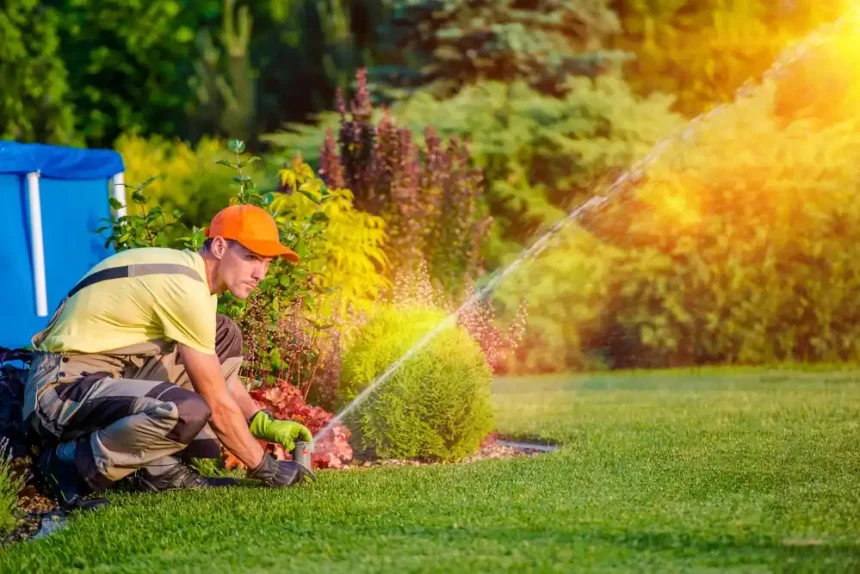
A lush, green yard is and pride of any homeowner. Keeping that grass healthy requires consistent, even hydration throughout the warmer months. When your irrigation equipment starts acting up, it can quickly turn your beautiful landscape into a frustrating and costly mess.
Water waste is a massive issue for residential properties. A tiny leak in an underground pipe can go unnoticed for weeks, quietly driving up your utility costs while drowning your plant roots. Recognizing the early warning indicators of a malfunctioning irrigation network saves you both stress and money.
By knowing exactly what to look for, you can stop a minor issue from becoming a major landscaping disaster. We will explore the most common symptoms of a failing irrigation setup, helping you identify when to take action to get your yard back in top shape.
Unexplained Spikes in Your Water Bill
One of the first indicators of a damaged irrigation setup happens out of sight. If your monthly water bill suddenly skyrockets and your household water usage has remained normal, your sprinkler system might be the culprit. Underground leaks can release hundreds of gallons of water into the soil without ever leaving a visible puddle on the surface.
Pay close attention to your utility statements during the summer months. If you see a massive jump in consumption, it is time to inspect your yard. Walking around your property and checking the meter while the water is turned off can help confirm if a hidden leak is draining your wallet.
Uneven Watering and Brown Patches
Your irrigation setup is designed to distribute water evenly across your entire landscape. When you start noticing distinct brown patches of dying grass next to vibrant, overly green areas, your equipment is failing to do its job.
This uneven distribution often points to clogged sprinkler heads, misaligned nozzles, or inadequate water pressure. Dirt, grass clippings, and mineral deposits can easily block the spray nozzles over time. Sometimes a lawnmower might accidentally bump a sprinkler head, shifting its spray direction toward the street instead of your grass. Catching these dry spots early allows you to address the blockage before the grass completely dies off.
Sputtering Heads and Low Water Pressure
When your sprinklers turn on, the water should spray in a steady, predictable arc. If the heads begin to sputter, cough, or barely shoot water a few inches, you have a pressure problem. Low water pressure prevents the spray from reaching the outer edges of your lawn, leaving large sections completely dry.
A sputtering sprinkler head usually indicates a crack in the underground piping or a malfunctioning valve. The system loses pressure before the water ever reaches the nozzle. Resolving pressure issues requires careful digging and pipe replacement, which is best handled by experienced technicians who understand the layout of residential irrigation networks.
Soggy Lawns and Pooling Water
While dry patches indicate a lack of water, excessive pooling is an equally serious problem. If you step onto your grass and it feels like a wet sponge hours after the watering cycle has finished, your system is leaking. Pooling water often occurs near the lowest point of your yard, but it can also bubble up directly around a broken sprinkler head.
Continuous standing water suffocates grass roots and invites harmful lawn diseases. It also creates a perfect breeding ground for mosquitoes. Identifying the exact source of the leak is necessary to prevent extensive damage to your turf and the underlying soil structure.
Choosing the Right Professional for the Job
Identifying a broken pipe or a faulty valve is only the first step. Fixing the problem correctly ensures your yard receives the exact amount of hydration it needs to thrive. For homeowners dealing with these frustrating issues, finding reliable sprinkler repair Minnetonka services is an absolute necessity.
Local experts understand the specific soil conditions, weather patterns, and common irrigation challenges in the region. Companies like Green Horizons Lawn Care offer comprehensive inspections to pinpoint hidden leaks and malfunctioning valves. Bringing in professionals ensures the repairs are done safely, preventing further damage to your property.
Frequently Asked Questions About Sprinkler Maintenance
How often should I have my sprinkler system checked?
You should schedule a thorough inspection at least twice a year. A spring start-up check ensures everything works properly after the winter freeze, while a fall winterization process blows out remaining water to prevent pipes from bursting during freezing temperatures.
Can I fix a broken sprinkler head myself?
Replacing a single broken sprinkler head is a manageable task if you have the right tools and purchase the exact replacement part. However, if the issue involves underground plumbing, low pressure, or electrical wiring in the control box, calling a professional is the safest route.
What causes sprinkler pipes to crack?
The most common cause of cracked pipes is freezing water. If the system is not properly winterized, water trapped inside the plastic pipes expands as it freezes, causing the lines to rupture. Tree roots growing into the pipes and heavy machinery driving over the lawn can also cause severe damage.
Protect Your Landscape and Your Wallet
Sprinkler repair Minnetonka becomes essential the moment you notice a sputtering sprinkler head or an overly soggy patch of grass, as ignoring these signs will inevitably lead to more costly issues over time. Regular maintenance combined with careful observation is key to preserving a healthy yard. By keeping an eye on your water bill, watching for uneven watering patterns, and monitoring system pressure, you can identify and address minor malfunctions early before they escalate into major repairs.
Take a walk around your property this week while your system runs its cycle. If you notice any of the warning signs mentioned above, reach out to a local irrigation specialist to get your equipment running smoothly again.