
Hair Transplant Recovery Timeline: What Happens Week by Week After Your Procedure
One of the most common questions patients ask before booking a hair transplant turkey is: what happens after? The surgery itself takes only one day, but your hair’s journey to full, natural regrowth takes around 12 months. Understanding exactly what to expect week by week will help you stay patient, avoid panic, and get the best possible result.
The First 24 Hours After Surgery
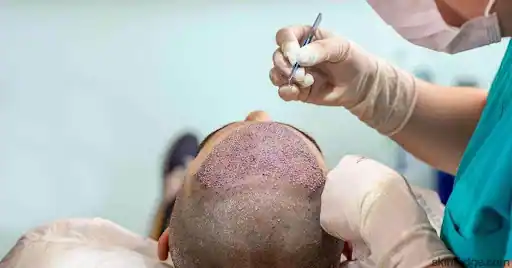
Immediately after your procedure, your scalp will feel tender and tight. Small scabs will begin forming around each newly implanted graft — this is completely normal and is part of how your body protects the transplanted follicles as they settle into their new position.
What to expect: mild swelling on the forehead and around the eyes, redness across the recipient area, and a feeling of tightness across the scalp.
| Tip | Sleep with your head elevated at 45 degrees on the first night to reduce swelling. Use the travel pillow provided by your clinic if possible. |
Week-by-Week Recovery Timeline
| Timeframe | Stage | What Is Happening |
|---|---|---|
| Days 1–3 | Scabbing begins | Tiny crusts form around each graft. Do not touch, pick or scratch them. |
| Days 4–7 | Scabs soften | With gentle washing, scabs begin to loosen. Redness starts to fade. |
| Week 2 | Scabs shed naturally | Most scabs will have fallen off by day 10–14. Grafts are now anchored. |
| Week 3–4 | Shock loss begins | Transplanted hairs shed — this is completely normal and expected. |
| Month 2–3 | Dormant phase | Scalp looks sparse. Follicles are resting underground before regrowth. |
| Month 4–6 | New growth starts | Fine, thin hairs begin emerging. Hairline becomes visible. |
| Month 7–9 | Hair thickens | Hairs grow darker and thicker. Density increases noticeably. |
| Month 10–12 | Full results visible | Final result is fully visible. Hair looks and grows naturally. |
What Is Shock Loss — or Why Does It Happen?
Between weeks 2 and 4 after your transplant, you will notice the newly transplanted hairs beginning to fall out. For many patients this comes as a shock, especially when the early results looked so promising. However, shock loss is not only normal — it is actually a sign that the process is working correctly.
When hair follicles are moved from the donor area to a new location on the scalp, they undergo a period of trauma. The hair shafts shed as the follicles enter a resting phase called telogen. The follicle itself remains alive and anchored beneath the skin. New hair will begin growing from the same follicle within a few months.
| Key Fact | You are not losing grafts — you are losing hair shafts. The follicle remains intact beneath the scalp and will produce new hair growth from month 3 onwards. |
When Does Transplanted Hair Start Growing?
New hair growth from transplanted follicles typically begins between months 3 and 4 post-procedure. The first hairs to emerge are often very fine, thin, and light in colour — almost like baby hair. As the months progress, these hairs mature and gradually become thicker, darker, and more similar in texture to your natural hair.
Growth milestones to watch for:
- Month 3–4: Fine, sparse hairs begin emerging from the hairline
- Month 5–6: Coverage becomes more visible, especially in strong light
- Month 7–8: Density increases and hairs begin to thicken
- Month 9–10: The majority of transplanted hairs are fully active
- Month 12: Final result is fully visible — this is your permanent hairline
When Will I See Full Results?
The honest answer is 12 months. Most patients see around 70–80% of their final result by month 8–9, but the hair continues to mature, thicken, and settle for a full year. Some patients with coarser or curlier hair types see their final result closer to 14–16 months.
Patience is arguably the most important part of the recovery process. Social media often shows dramatic 6-month results, but every patient’s hair growth cycle is different. Factors such as age, hair texture, the number of grafts transplanted, and post-operative care all influence the timeline.
| Reminder | Your 12-month result photo will look dramatically different from your 3-month photo. Do not judge your outcome until a full year has passed. |
Post-Operative Care That Supports Recovery
How you look after your scalp in the weeks following surgery has a direct impact on how well your grafts survive and how quickly your hair grows. Following your clinic’s aftercare instructions closely is essential.
First 2 weeks:
- Wash your hair gently using the prescribed lotion — no rubbing or scrubbing
- Avoid direct sunlight on the scalp
- Do not wear hats and helmets the tight headwear
- Sleep with your head elevated to reduce swelling
- Avoid alcohol and smoking, which reduce blood flow to the follicles
Months 1–3:
- Resume normal hair washing after scabs have fully shed
- Avoid intense physical exercise for at least 4 weeks
- Protect scalp from sun using SPF 50 or a loose hat when outdoors
- Take any prescribed supplements or medications as directed
Frequently Asked Questions
Can I dye my hair after a transplant?
You can dye the donor area hair from month 1, but the recipient area should be left for at least 3 months, and ideally 6 months, before applying any chemical treatments. This gives the transplanted follicles time to fully anchor and stabilise.
Can I cut my hair during recovery?
Yes. You can trim the sides and back of your hair as normal. Avoid shaving the recipient area with a razor for the first 6 months. A scissor cut is fine from month 3 onwards.
What if my hair is still thin at 6 months?
This is entirely normal. The 6-month stage is still early in the hair growth cycle. Do not compare your result to others at the same stage growth timelines vary significantly between individuals. Consult your clinic if you have specific concerns.
At Buk Clinic, our team guides every patient through each stage of recovery with personalised aftercare support. If you have questions about your recovery timeline or would like to book a free consultation, contact us via WhatsApp or our website.
