Traditional home sauna remains the gold standard because it pairs the authentic Finnish löyly ritual with proven cardiovascular science, radiant stone heat, and a cultural lineage that modern alternatives cannot duplicate. Heated by an electric or wood-burning stove loaded with stones, it produces a soft steam when water meets rock, raising humidity, deepening sweat, and triggering measurable longevity benefits. For homeowners curious about premium saunas, a traditional home sauna delivers the complete sensory and physiological experience that other heat-therapy formats only partially imitate.
Scientific Research Support
Large-scale Finnish population studies now anchor every serious wellness conversation, and the numbers are difficult to ignore. Frequent bathers who sit four to seven times per week show a 50 percent reduced risk of fatal cardiovascular events and a striking 66 percent reduction in dementia incidence over long follow-up windows. The stone-radiated heat prompts blood vessels to dilate, gently lifting heart rate into a zone similar to light exercise, while improving vascular function and lowering blood pressure over time.
These clinical findings are why athletes, cardiologists, and longevity researchers keep pointing back to the original format rather than newer infrared booths. The mechanism is straightforward: hormetic stress from sustained high temperatures trains the cardiovascular system the way zone-two training does, releasing heat-shock proteins that repair cells and reduce inflammation. Combined with the reduced all-cause mortality signal seen across multiple cohorts, the evidence base behind heat bathing has matured from folk wisdom into a credible preventive medicine tool.
The Complete Experience
Step inside and the gradual rise in heat hits first, climbing steadily as the wood-burning stove warms a tower of igneous stones to over 175 degrees. Then comes the löyly, that famous splash of water on hot rocks that releases an enveloping wave of soft steam, lifting humidity from arid to lush in a single second. The natural smell of burning wood, the satisfying hiss of evaporation, and the deep penetrating warmth from a real fire build a multisensory experience that electric heaters struggle to replicate.
This is the reason sauna purists insist the format cannot be flattened into a wattage spec sheet. It is not just about sweating, it is about teaching the body to adapt, recover, and build resilience under controlled stress. Sessions become a meditative pause, the quiet meditative environment pulling attention away from screens and onto breath, posture, and the dance between heat and cool-down. Whether used solo for focused recovery or shared with friends, the relaxed atmosphere naturally encourages conversation and connection in a way that fluorescent gym rooms never quite achieve.
Health Benefits
Regular bathers report relief that runs from the surface of the skin to the depths of the joints. The intense sweating acts as a natural detoxification process, helping the body shed toxins and heavy metals while flushing pores and softening complexion. As muscles soak in the radiant warmth, muscle and joint pain eases noticeably, which is why endurance athletes treat sessions as active recovery rather than indulgence. Customizable temperature and humidity mean the same room serves a gentle restorative bath one evening and a sharp post-workout flush the next.
Beyond the physical, the endorphin release triggered by heat exposure produces a natural mood boost that softens stress and anxiety. Studies link consistent bathing to a reduced frequency of colds, attributed to stimulated white blood cell production that strengthens immune defenses. Better oxygen-rich blood flow reaches stiff tissues, improving flexibility and circulation in ways that compound over months. Sleep quality often improves too, as the post-sauna cooldown mimics the body’s nightly temperature drop, signaling deeper rest within hours of a session.
Historical Significance
Archaeological evidence traces primitive pit saunas in Finland back to roughly 7000 BCE, with stone-heated bathing rooms appearing across Europe and Asia during the Neolithic era. By 1000 CE the savusauna, a chimneyless smoke sauna where embers heat the room before bathers enter, had become the template that survives in purist Finnish cabins today. UNESCO added Finnish sauna culture to its list of Intangible Cultural Heritage, and with roughly 3 million saunas serving 5.5 million people, the practice is woven into apartments, parliaments, and corporate headquarters alike.
The room was historically the first structure built when establishing a new Finnish homestead, used for birth, healing, smoking meats, and even laying the dead before burial. Generations relied on it for hygiene during long winters, treating it as the cleanest place available long before indoor plumbing. An ancient proverb captures the reverence: if tar, vodka, or the sauna cannot heal you, the disease is fatal. That centuries-deep lineage is part of why the format still feels weighted with meaning, anchoring a wellness ritual that has outlasted every fad heat therapy invented since.
Cedar Wood and Construction
Build quality starts with the lumber, and clear Western Red Cedar dominates the premium category for solid reasons. The wood is naturally resistant to warping, leaking, and decay, holding its shape through years of repeated wet-dry cycles that would crack lesser timber. Its pleasant aroma releases gently when heated, layering a forest-fresh note over the steam, and the soft grain stays cool to the touch even when air temperatures climb past 180 degrees. Most premium kits use 1.5-inch thick cedar planks for a luxurious tactile feel and superior insulation.
Construction choices then shape how the room performs in daily use. Barrel designs use a cylindrical shape that improves heat circulation compared to square rooms, heating up faster because there are no corners where warmth can stall. Cabin-style and indoor prefab kits convert basements, spare rooms, or large closets into private retreats with eight common household tools and a weekend of work. Optional porches add up to two feet of sheltered cool-down space, keeping rain and snow off the door while providing somewhere comfortable to sit between rounds.
Heating Options
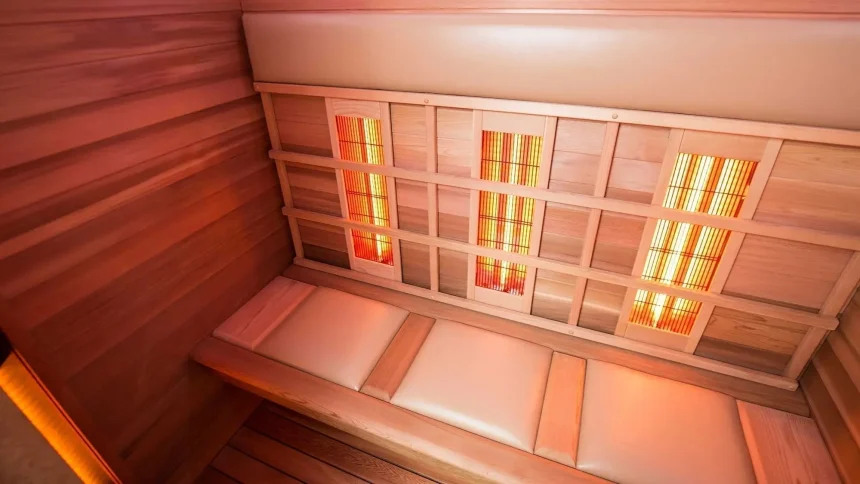
Three heating approaches dominate the category, each with a distinct character. Electric sauna heaters are the highly efficient default, pushing rooms to temperature in twenty to forty minutes with simple thermostat control and minimal maintenance. Wood-fired stoves deliver an authentic off-grid experience, prized for the deep crackling soundtrack and that unmistakable warmth that only an actual fire produces. Carbon fiber infrared heaters occupy a different niche entirely, offering deep tissue therapy at lower air temperatures for users who prefer mild heat over the full sweat-and-steam ritual.
The choice usually comes down to lifestyle and property. Apartment dwellers and busy professionals lean electric for plug-in convenience, while cabin owners and traditionalists chase wood-fired authenticity for that satisfying flame ritual. Households with cardiovascular concerns or sensitivity to extreme heat sometimes blend an infrared cabin with occasional traditional sessions for variety. Premium brands engineered for repeated water splashes on stones ensure decades of löyly production without corrosion, while smart controls let owners pre-warm the room remotely before walking through the door.
Frequently Asked Questions
How often should I use a traditional sauna for health benefits?
Research from Finnish longevity cohorts suggests four to seven sessions per week produces the strongest mortality reduction, though even one to two weekly sessions deliver meaningful cardiovascular and stress benefits. Most enthusiasts settle into a fifteen to twenty minute round format, repeated two or three times with cool-down breaks. Listen to your body, hydrate well before and after, and skip a session if you feel lightheaded or unwell.
What is the difference between a traditional and an infrared sauna?
A traditional model heats stones and air to high temperatures around 175 to 195 degrees and supports löyly steam through water poured on the rocks. Infrared booths use carbon or ceramic panels to warm the body directly at far milder air temperatures, typically 120 to 150 degrees, with no steam component. Traditional formats deliver the classic Finnish experience, while infrared appeals to users who prefer gentle radiant warmth without high humidity.
Can I install a sauna indoors in a basement or spare room?
Yes, indoor prefab kits are designed precisely for converting basements, spare rooms, or large closets into a private spa retreat. You will need adequate ventilation, a moisture-resistant floor surface, and the correct electrical supply for the heater, usually 240 volts for residential units. Most kits include pre-cut cedar panels, benches, door, heater, and stones, and two people can typically complete assembly in a weekend with standard household tools.
How long does a traditional sauna take to heat up?
Modern electric heaters generally reach bathing temperature within thirty to forty-five minutes, depending on room size and starting ambient conditions. Wood-fired stoves take longer, often sixty to ninety minutes, and reward patience with that crackling fire experience. Smart Wi-Fi controllers let many owners pre-heat remotely from a phone, so the room is ready the moment they walk in after work or a workout.
Is regular sauna use safe for everyone?
Sauna bathing is broadly safe for healthy adults, but anyone with unstable cardiovascular disease, low blood pressure, pregnancy complications, or recent surgery should consult a physician before starting. Hydration is essential, alcohol before sessions is not recommended, and children should be supervised with shorter, cooler exposures. Used sensibly, the format suits most lifestyles and supports long-term wellness as a sustainable daily ritual.