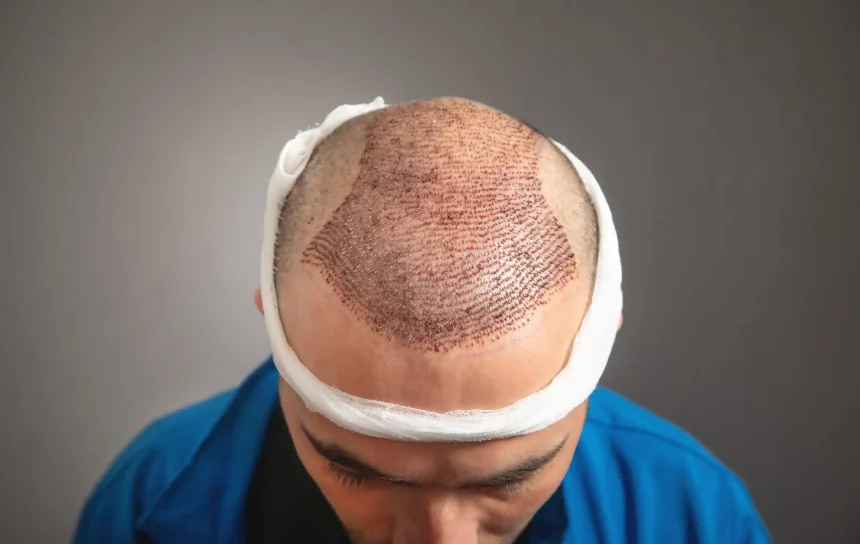
Istanbul is unlike any other medical destination in the world. It is a city that blends ancient history with modern medicine, where world-class hospitals sit a short drive from the Bosphorus, and where you can wake up from a hair transplant procedure and spend the evening watching the sun set over two continents. Every year, hundreds of thousands of people make the journey here specifically for hair restoration and the vast majority leave not just with more hair, but with an experience they genuinasely did not expect to enjoy as much as they did.
But getting the most out of your Istanbul hair transplant trip requires more than booking a flight and showing up. The patients who have the smoothest experiences, the fastest recoveries, and the best results are almost always the ones who prepared properly, knew what to expect on the day, and followed through carefully in the weeks afterward.
Before You Travel: The Preparation Phase
Choosing the Right Clinic
Everything starts here. The difference between a life-changing result and a disappointing one is almost always determined at the clinic selection stage not in the operating room.
Istanbul has thousands of hair transplant clinics. This concentration of providers has driven prices down and standards up in the best places, but it has also created space for clinics that prioritise volume over quality. The way to navigate this is to look past the marketing and focus on what actually matters.
Start with the surgeon. Find out their name, their qualifications, and how long they have been performing hair transplant procedures specifically. Look for verifiable before and after photographs not stock images or overly polished promotional shots, but genuine patient results showing different hair types, different degrees of loss, and results at realistic time intervals like six months and twelve months post-procedure.
Read reviews across multiple platforms rather than relying on testimonials hosted on the clinic’s own website. Look for consistent patterns in what patients say about communication, about how they were treated on the day, about how the clinic handled follow-up questions once they returned home.
Ask directly whether the surgeon will be present throughout your procedure or whether technicians handle the majority of the work. Ask about graft survival rates, aftercare protocols, and what happens if you are unhappy with the result. The confidence and transparency with which a clinic answers these questions tells you a great deal about how they operate.
Getting Your Medical Consultation Right
A reputable clinic will insist on a thorough consultation before accepting your booking not after. This is a good sign, not an inconvenience. The consultation should cover your full hair loss history, any medications you are currently taking, your donor area density, and your realistic expectations for the outcome.
Be completely honest during this process. Medications like blood thinners, finasteride, minoxidil, and certain supplements can all affect the procedure or your recovery. Underlying health conditions need to be disclosed. The consultation is not a sales call, it is a medical assessment, and the more accurate information your surgeon has, the better your outcome will be.
If a clinic skips a meaningful consultation and simply quotes you a price and a graft number without reviewing your specific situation carefully, take that as a serious warning sign.
Sorting Your Travel Logistics
Istanbul is one of the most well-connected cities in the world. Istanbul Airport is served by hundreds of airlines from across Europe, the Middle East, Asia, and beyond. Flights from most major European cities take between three and four hours, making it a genuinely easy journey for most international patients.
Plan to arrive in Istanbul at least one day before your procedure. This gives your body time to adjust after the flight, allows you to rest properly, and means you are not rushing to your appointment feeling disoriented from travel. Most reputable clinics offer airport pickup as part of their package, confirm this in advance and share your flight details.
Accommodation is typically arranged by the clinic as part of an all-inclusive package, but if you are arranging it yourself, choose somewhere close to the clinic and plan for a minimum of three nights. You will need one night before the procedure, the night of the procedure itself, and at least one night after for your first follow-up wash and check before you travel home.
What to Do in the Week Before Your Procedure
The week leading up to your hair transplant matters more than most people realise. In the seven days before your procedure, avoid alcohol completely. It thins the blood and can increase bleeding during the operation, which affects graft survival. Stop taking aspirin, ibuprofen, and any other blood-thinning medications unless your doctor has specifically told you to continue them.
Do not get a haircut in the days immediately before your procedure. The clinic needs to assess your natural hair in its current state and will handle any trimming or shaving that is required on the day. Wash your hair normally the night before but do not apply any products, no gel, spray, or dry shampoo.
Get a genuinely good night’s sleep before your procedure. The operation can last anywhere from six to ten hours, and arriving rested makes the experience significantly more comfortable. Eat a normal, healthy breakfast on the morning of your procedure. You will be there for a long time and you need energy, though you should avoid heavy or greasy food.
Wear comfortable, loose-fitting clothing on the day, and specifically avoid anything that needs to be pulled over your head. A button-up shirt or zip-up top is ideal, as changing clothes after the procedure will be much easier and safer for your newly implanted grafts.
During Your Stay: What the Experience Actually Looks Like
The Day of the Procedure
You will typically arrive at the clinic in the morning, usually between seven-thirty and eight o’clock. The first part of the day involves pre-operative blood tests, a detailed discussion with your surgeon about the hairline design and graft distribution plan, and photographs for your medical records.
The hairline design phase deserves your full attention. This is your opportunity to be involved in one of the most important decisions of the entire process. Your surgeon will mark out the proposed hairline with a pencil, discuss the design with you, and make adjustments based on your feedback. Ask questions if anything is unclear. Understand the reasoning behind the design choices being made. Once the surgery begins, changes are not possible.
Local anaesthetic is administered before any extraction or implantation begins. The injections themselves are the most uncomfortable part of the entire procedure for most patients a brief, sharp sensation as the anaesthetic takes effect. Once numb, the actual surgery is painless, though you will be aware of pressure and movement throughout.
The procedure is divided into two main phases: extraction, where individual follicular units are removed from the donor area at the back of the head, and implantation, where those grafts are placed into the recipient area. Between these phases, or sometimes simultaneously depending on the technique being used, you will have the chance to take breaks, eat, drink water, and rest.
Bring something to keep yourself occupied during the longer stretches headphones with a playlist or podcast you enjoy, or simply something comfortable to listen to. Some patients sleep through significant portions of the procedure, which is completely normal and actually quite common.
The Day After: Your First Follow-Up
Most clinics schedule a follow-up appointment the morning after your procedure. This visit involves a gentle first wash of the transplanted area, a check on the donor area, and a review of how everything looks. The medical team will give you a full briefing on how to wash your hair over the coming days and weeks, what products to use, what activities to avoid, and what to watch for in terms of normal versus concerning post-operative signs.
This follow-up appointment is also your opportunity to ask any questions that came up overnight. Write them down as they occur to you it is easy to forget in the moment, and no question is too small.
Exploring Istanbul
Here is something worth saying clearly: Istanbul is a remarkable city, and despite the temptation to spend your entire stay resting in the hotel, most patients feel well enough to explore carefully and comfortably from the day after their procedure.
The historic Sultanahmet district, home to the Blue Mosque and the Hagia Sophia, is a relatively gentle walk and an experience that is genuinely unlike anything else in the world. The Grand Bazaar offers hours of wandering and shopping if you feel up to it. A Bosphorus boat cruise is one of the most relaxing and beautiful things you can do in Istanbul, perfect for a patient who wants to experience the city without overexerting themselves.
The only firm rules during your Istanbul stay are to avoid direct sun on the transplanted area, stay away from saunas, steam rooms, and swimming pools, and refrain from any activity that causes heavy sweating or raises your heart rate significantly. Within those boundaries, there is a great deal of the city you can enjoy.
Try the food. Istanbul’s culinary scene is extraordinary fresh seafood along the Bosphorus, slow-cooked lamb in the old city, the best baklava you will ever eat, and Turkish breakfast spreads that will completely redefine your morning expectations.
After You Return Home: The Recovery Phase
The First Two Weeks
The fortnight following your hair transplant is when your diligence matters most. Follow your clinic’s aftercare instructions precisely. Wash your hair exactly as demonstrated gently, carefully, without rubbing or applying pressure to the recipient area. Sleep with your head elevated slightly to reduce swelling, which is normal in the first few days and typically resolves by day four or five.
Avoid direct sunlight on the transplanted area and wear a loose hat outdoors if necessary. Steer clear of intense exercise, heavy lifting, and anything that significantly raises blood pressure for at least two weeks. Do not touch, scratch, or pick at any scabs or crusts that form on the scalp these protect the healing grafts and will fall away naturally.
Understanding Shock Loss
Between weeks two and six, many patients experience shock loss a phase where the transplanted hairs shed before re-entering their growth cycle. It is one of the most emotionally difficult parts of the hair transplant journey simply because it can look initially like nothing is working. The follicles themselves remain intact beneath the scalp and will begin producing new hair as they enter the growth phase.
Knowing this is coming makes it significantly easier to manage. Patients who are not warned about shock loss sometimes panic at this stage. Those who understand it simply wait and then watch as new growth begins to emerge around the three to four month mark.
The Growth Timeline
Visible growth typically begins between three and four months after the procedure. By the six month mark, the result starts to look genuinely meaningful density has arrived, the hairline is taking shape, and the transformation becomes apparent to others as well as yourself.
The full result takes twelve to eighteen months to develop completely. Hair grows slowly, and the final density and natural texture of the transplanted hair is only fully visible at this point. Patience during this period is one of the most important things you can bring to the process.
Stay in contact with your clinic throughout the recovery period. Send photographs at the intervals they request. Attend any recommended follow-up consultations, whether in person or by video call. A clinic that remains genuinely engaged with your progress after you leave Istanbul is one that stands behind its work.
Long-Term Care
Transplanted hair, once fully established, behaves exactly like the rest of your natural hair. It can be cut, styled, coloured, and treated normally. It does not require special shampoos or ongoing treatments to maintain.
However, it is worth discussing with your surgeon whether your natural hair loss is likely to continue progressing in non-transplanted areas. If so, medications like finasteride or minoxidil may be recommended to slow further loss and protect the overall result. Planning for the long term is part of what makes a hair transplant a genuinely lasting solution rather than a temporary fix.
Conclusion
Istanbul is a city that rewards the people who take it seriously. The patients who research thoroughly, prepare properly, recover carefully, and stay engaged with their clinic throughout the process are the ones who leave with results they are genuinely proud of for the rest of their lives.
The journey is easier than most people expect. The city is more enjoyable than most people anticipate. And the results, when everything is done right, are life-changing in the most straightforward and satisfying way possible.