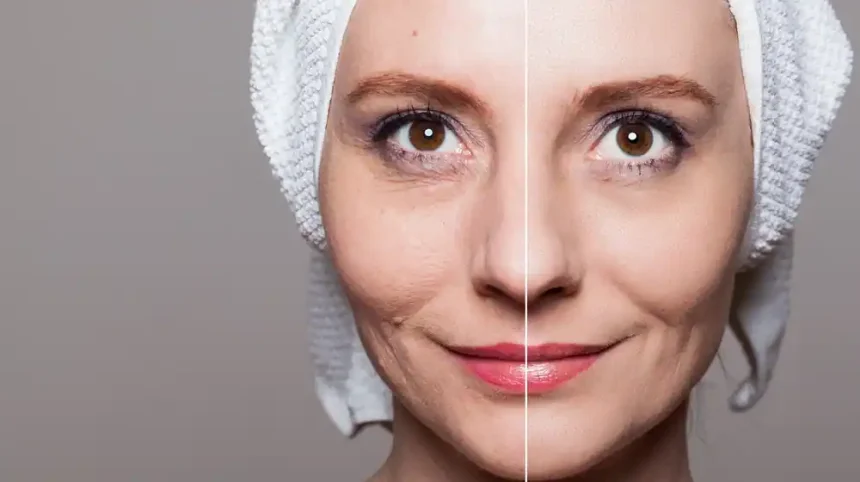
Lighter non-ablative fractional lasers improve tone, early sun damage, and texture with only one to two days of mild redness, which makes them ideal for younger patients, busy schedules, and year-round maintenance. MOXI is the leading example, often called a mini Halo, and it is safe for a wide range of skin types.
Not everyone needs, or wants, an intensive laser resurfacing experience. A growing share of patients are in their twenties, thirties, and forties with early sun damage and dullness rather than deep lines, and they want improvement without a week of flaking. That demand built the fastest-growing category in laser aesthetics: gentle fractional devices. The standout is MOXI laser treatment, a non-ablative fractional laser often described as a mini Halo, designed to refresh skin with minimal disruption to daily life.
A Different Philosophy of Skin Care
Traditional resurfacing follows a corrective model. You wait until damage accumulates, then undergo a significant procedure to repair it. The gentle laser category flips that logic toward prevention and maintenance, sometimes called prejuvenation. Dermatology has long suggested that consistent modest interventions can delay the need for aggressive ones, and lighter fractional lasers made that approach practical.
How MOXI Works
MOXI delivers laser energy at a 1927 nm wavelength, which is strongly absorbed by water in the upper layers of the skin. Instead of removing tissue the way ablative lasers do, it creates microscopic zones of coagulated tissue beneath an intact surface. The body clears those zones and replaces them with fresher tissue, taking diffuse pigment and dullness with them. Because the surface barrier stays unbroken, healing is fast, and the risk profile is low.
The wavelength is particularly effective for melanin-related concerns. Scattered sun damage, early age spots, and the blotchy, uneven tone that builds through the thirties all respond well. It is also one of the more flexible lasers across skin types, since it does not rely on the aggressive heat that historically made laser treatment risky for deeper skin tones. An experienced provider will still assess each patient individually, but the candidate pool is notably wider than it was a decade ago.
What a Visit Looks Like
MOXI appointments are short. Numbing cream goes on for about thirty minutes, and the laser pass itself often takes only twelve to fifteen minutes for a full face. Most patients describe gentle heat rather than pain. Afterward, the skin looks lightly flushed, similar to a workout or a day in the wind.
Over the next few days, tiny dark microdots called mends form where pigment is being pushed out, giving skin a faintly sandpapery feel. They flake away within about a week on the face, and makeup can usually be worn the next day. Most people return to work immediately, which is exactly the point of the category.
What Results to Expect
A single session brightens tone and softens early pigment, and many patients book one before events for exactly that reason. For more established sun damage or melasma-prone skin, providers usually recommend a series of three treatments spaced about a month apart, then a maintenance session two to four times per year. The improvement is cumulative. Texture refines, pores look tighter, and the overall tone evens out gradually, which suits patients who prefer their results to look like good skin rather than an obvious procedure.
Where Gentle Lasers Fit Against Stronger Ones
The honest framing is that lighter lasers trade speed of correction for ease of recovery. Deep wrinkles, significant laxity, and heavy sun damage still respond better to hybrid or ablative resurfacing. The two categories also work together. Some patients start with an intensive treatment to correct accumulated damage, then maintain the result with lighter sessions. Others alternate based on season and schedule. Providers offering the MOXI laser near Minneapolis frequently pair it with BroadBand Light in a single visit, treating pigment and redness with light while the laser refines texture, all within the same recovery window.
Who Gentle Resurfacing Suits Best
The ideal MOXI patient falls into one of a few groups. Younger adults who want to slow visible aging before it starts. Busy professionals and parents who cannot absorb a week of social downtime. Patients with deeper skin tones were historically underserved by laser options. And anyone maintaining results from a previous, more intensive resurfacing treatment. It is also a popular first laser, since the experience is mild and the results build confidence in a longer-term skin plan.
Timing and Aftercare
Because the treatment is gentle and surface-sparing, it can be performed year-round, although sun discipline still matters. Patients should arrive without an active tan and commit to daily sunscreen afterward, since fresh skin pigments easily. Aftercare is otherwise simple: gentle cleanser, moisturizer, and a short pause on retinoids and exfoliants while the microdots clear.
Cost and Value Considerations
Gentle fractional sessions are typically priced well below intensive resurfacing, which changes the math for a lot of patients. Instead of one large outlay with a week of downtime, the investment spreads across a few shorter visits that fit between meetings and school pickups. Many clinics offer series pricing for the initial three-treatment course, and maintenance sessions after that are an easier budget line than periodic heavy corrections. The comparison worth making is not just price per session but cost per year of consistently better skin, where the maintenance model tends to hold its own. Patients who value predictability, both in results and in scheduling, are usually the ones who find the lighter approach worth every penny.
The Takeaway
The rise of lighter lasers reflects a broader shift in aesthetics toward consistency over drama. A non-ablative fractional laser will not replace intensive resurfacing for advanced damage, but for early pigment, dullness, and texture, it delivers real, visible improvement on a schedule almost anyone can live with. A consultation can establish whether a single refresh or a structured series makes the most sense for your skin and your calendar.