What Makes Pollo al Chilindrón Special
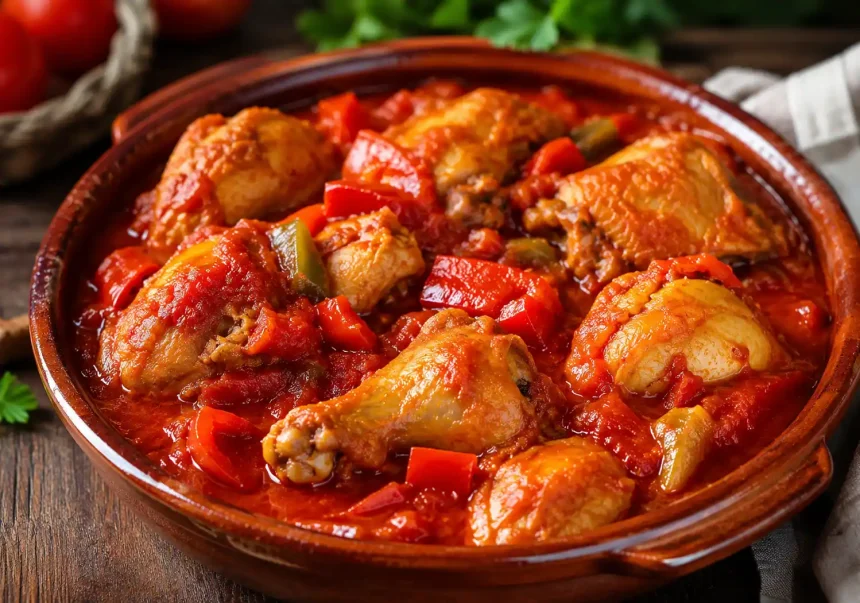
Pollo al Chilindrón is a rustic Spanish chicken stew known for its bright red hue, slow-simmered tenderness, and layered aromatics. Traditionally from Aragón, Navarra, and La Rioja, it marries chicken with sweet red peppers, tomatoes, garlic, onion, and smoky jamón or serrano ham. Paprika and white wine bring depth, while a gentle braise delivers silky, spoon-coating sauce. When you’re searching for “best pollo al chilindrón near me,” you’re really looking for kitchens that honor this balance: lush peppers, well-browned chicken, and a sauce that tastes like the countryside in a bowl.
How to Identify a Standout Version Nearby
- Balanced sweetness and smoke: Look for places that use ripe piquillo or bell peppers and good-quality pimentón (smoked paprika). The result should be savory, lightly sweet, and subtly smoky.
- Proper browning: Great versions start with deeply browned chicken that enriches the stew. Pale chicken often equals flat flavor.
- Sauce texture: The sauce should be glossy and cling to the chicken, not watery. It should reduce enough to concentrate flavors without turning pasty.
- Aromatic layering: Check menus or reviews for mentions of jamón serrano, white wine, or laurel (bay leaf). These are signals of traditional technique.
- Side pairings: Classic sides include crusty bread, patatas fritas, or rice to catch the sauce. Smart restaurants suggest these pairings upfront.
Where to Look: Local Spots That Often Serve It
- Spanish and Basque restaurants: Tapas bars and caseríos-inspired kitchens frequently rotate pollo al chilindrón as a special.
- Neighborhood bistros with Iberian influence: Mediterranean bistros sometimes list it on cool-weather menus.
- Market-driven kitchens: Seasonal restaurants that celebrate peppers and tomatoes may offer it late summer to fall.
- Specialty rotisseries: Some roast-chicken spots prepare a chilindrón variation, finishing roast birds in pepper-tomato sofrito.
Reading Menus and Reviews Like a Pro
- Scan for the Spanish name: Authentic spots will use “Pollo al Chilindrón,” sometimes with regional notes (Aragonés style).
- Ingredient callouts: Piquillo peppers, jamón, pimentón de la Vera, and dry white wine are promising signs.
- Portion style: It’s commonly served as a ración (shareable plate) or media ración. Full platters suggest homestyle cooking.
- Review keywords: “rich sauce,” “smoky peppers,” “fall-off-the-bone,” and “rustic” are green flags. “Thin sauce” or “overcooked peppers” are red flags.
Practical Search Tips for “Best Pollo al Chilindrón Near Me”
- Use precise queries: Try variations like “traditional pollo al chilindrón near me,” “Spanish restaurant piquillo pepper chicken,” or “Aragonese chicken stew nearby.”
- Filter by menu photos: Platforms with photo menus help you verify the dish’s hallmark deep-red sauce and pepper ribbons.
- Sort by recent reviews: Stews can vary day to day. Prioritize places with consistent, recent praise for braises and tapas.
- Call ahead: Ask if it’s on today’s menu or a rotating special. Many kitchens prepare it in batches.
- Map clusters: If your city has a Spanish dining cluster, plan a mini crawl—order a half-portion at two or three spots to compare.
What to Expect in Flavor and Texture
- Chicken: Usually bone-in thighs or drumsticks, tender from slow simmering.
- Peppers: Soft, sweet, and abundant, sometimes using both fresh bell peppers and jarred piquillos.
- Tomato base: Reduced to a jammy sofrito that sweetens naturally.
- Smoke and savor: Pimentón and jamón add backbone; wine brings lift.
- Finish: A glossy, brick-red sauce that begs for bread.
Smart Pairings to Complete the Meal
- Bread: Rustic sourdough or a warm barra de pan.
- Potatoes: Patatas bravas or simple fried potatoes.
- Greens: A bitter salad (endive, arugula) to cut richness.
- Wine: Young Tempranillo, Garnacha, or a crisp Albariño if you prefer white.
Dietary Notes and Variations
- Gluten-free friendly: Naturally gluten-free if thickened by reduction, not flour. Confirm with the restaurant.
- Pork-free adaptations: Some kitchens skip jamón; depth can come from extra mushrooms or smoked paprika.
- Spiciness: Traditionally mild; heat depends on paprika choice. Ask for “picante” only if listed.
- Protein swaps: Rabbit (conejo al chilindrón) and lamb appear regionally; chicken remains the most common.
Signs of Quality in the Dining Room
- Aroma: You should smell sweet peppers and gentle smoke as the plate arrives.
- Color: Vibrant red-orange with visible pepper strips and tender onions.
- Consistency: Sauce that coats the spoon without pooling watery juices.
- Temperature: Served piping hot; the stew should steam on arrival.
Etiquette and Ordering Tips
- Share it family-style alongside a few tapas to compare preparations.
- Ask for extra bread early; the sauce is the star.
- If it’s a special, arrive earlier in service—batches can sell out.
If You Can’t Find It Today: Great Alternatives
- Pollo al ajillo: Garlic-forward, pan-fried chicken with sherry.
- Pisto with eggs and chicken: Pepper-tomato vegetable medley that echoes chilindrón flavors.
- Bacalao a la riojana: Tomato-pepper base with salt cod, similar flavor architecture.
Simple At-Home Benchmark (So You Can Judge Restaurants Better)
- Brown bone-in chicken generously in olive oil.
- Build a sofrito with onion, garlic, and red peppers; add tomato and reduce until jammy.
- Season with pimentón dulce (and a pinch of picante), bay leaf, and dry white wine.
- Simmer chicken in the sauce until tender; finish with a handful of sliced piquillo peppers and a knob of butter or olive oil for sheen.
Final Takeaway: Finding the Best Near You
Prioritize spots that respect the sofrito, use quality peppers, and braise patiently. Your “best pollo al chilindrón near me” isn’t just about proximity—it’s about technique, seasonal produce, and a kitchen that treats this countryside classic with care. With targeted searches, quick menu checks, and a couple of confident calls, you’ll land a version that tastes like northern Spain, right in your neighborhood.