Bats are among the most important mammals in the natural world, playing a vital role in controlling insect populations, pollinating plants, and dispersing seeds. Despite their ecological importance, many bat species face increasing threats from habitat loss, climate change, disease, and human development. Because bats are nocturnal, highly mobile, and often roost in inaccessible locations, studying them presents unique challenges.
Fortunately, advances in technology are giving scientists powerful new ways to monitor, understand, and protect bat populations. From ultrasonic detectors to thermal imaging cameras, modern tools are making conservation efforts more accurate, efficient, and less disruptive to the animals themselves.
Listening to the Sounds Humans Can’t Hear
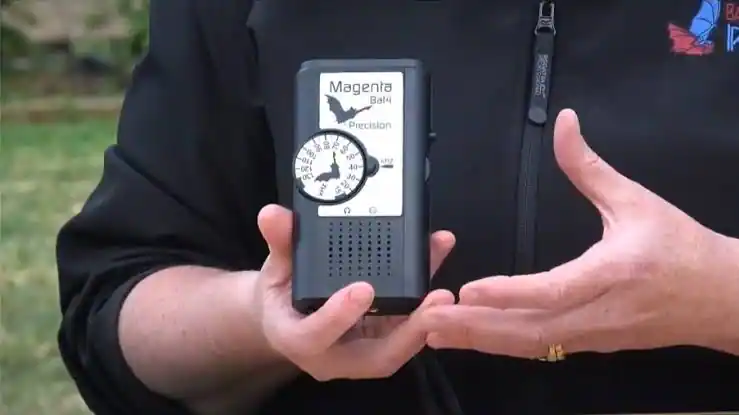
One of the most valuable technologies in bat research is the ultrasonic bat detector. Since most bats navigate and hunt using echolocation calls far above the range of human hearing, these specialised devices convert ultrasonic sounds into frequencies researchers can record and analyse.
Each bat species produces slightly different call patterns, allowing scientists to identify species without needing to capture or disturb them. This non-invasive approach helps researchers monitor activity levels, migration routes, and habitat use while minimising stress on the animals.
Acoustic monitoring has become a cornerstone of bat conservation because it provides reliable data over long periods and across large landscapes.
Automated Recording for Long-Term Monitoring
Technology has also made it possible to leave recording devices in the field for days or even weeks at a time. These autonomous monitoring units automatically capture bat calls throughout the night without requiring a researcher to be present.
By collecting data continuously, scientists gain a much clearer picture of seasonal activity, weather influences, and changes in bat populations. This long-term monitoring is especially valuable when assessing the success of habitat restoration projects or tracking population trends over several years.
Large datasets gathered in this way help conservationists identify areas that require greater protection and guide future management decisions.
Thermal Imaging and Night Vision
Observing bats in complete darkness used to be extremely difficult. Today, thermal imaging cameras and night vision equipment allow researchers to watch bats emerge from roosts, forage, and interact with one another without using bright lights that could disturb their natural behaviour.
Thermal cameras detect heat rather than visible light, making it possible to see flying bats even against dark backgrounds. These recordings provide valuable information about flight paths, colony sizes, and activity patterns.
When combined with acoustic recordings, visual observations create a much more complete understanding of how bats use different environments.
GPS Tracking and Miniature Technology
Miniaturisation has transformed wildlife tracking over the past decade. Lightweight radio transmitters and GPS tags can now be attached safely to larger bat species, allowing researchers to follow their movements over remarkable distances.
Tracking technology reveals where bats feed, where they roost, and the routes they travel each night. Understanding these movement patterns helps identify important habitats that may otherwise go unnoticed.
This information is particularly valuable when planning conservation projects or assessing the potential impact of new developments on local bat populations.
Supporting Better Conservation Decisions
Technology does far more than simply collect information; it helps scientists make informed conservation decisions. By combining acoustic monitoring, thermal imaging, mapping software, and automated analysis, researchers can identify important habitats, monitor population changes, and measure the effectiveness of conservation efforts.
Whether surveying woodland, farmland, urban parks, or cave systems, having reliable bat survey equipment allows researchers to gather high-quality data while reducing disturbance to wildlife.
As technology continues to evolve, it will play an even greater role in protecting bats and ensuring these remarkable mammals continue to thrive. By giving scientists clearer insights into bat behaviour and habitat needs, innovative monitoring tools are helping shape more effective conservation strategies for generations to come.
Artificial Intelligence Speeds Up Analysis
Modern bat surveys generate enormous amounts of audio data that would take researchers countless hours to analyse manually. Artificial intelligence and machine learning software are helping solve this challenge by automatically recognising echolocation calls and identifying likely species.
While expert verification remains important, AI dramatically reduces processing time and allows scientists to focus on interpreting results rather than sorting through thousands of recordings.
As these systems continue to improve, they are becoming increasingly accurate and accessible for conservation organisations of all sizes.