Cleanliness is one of the most important parts of any bakery. Customers may see the final bread, pastry, pizza base, or cookie, but the real quality starts inside the kitchen. A bakery that handles dough in a clean, organized, and controlled way can produce better products and build more customer trust. Good hygiene is not only about cleaning floors and tables. It is also about using better methods during preparation.
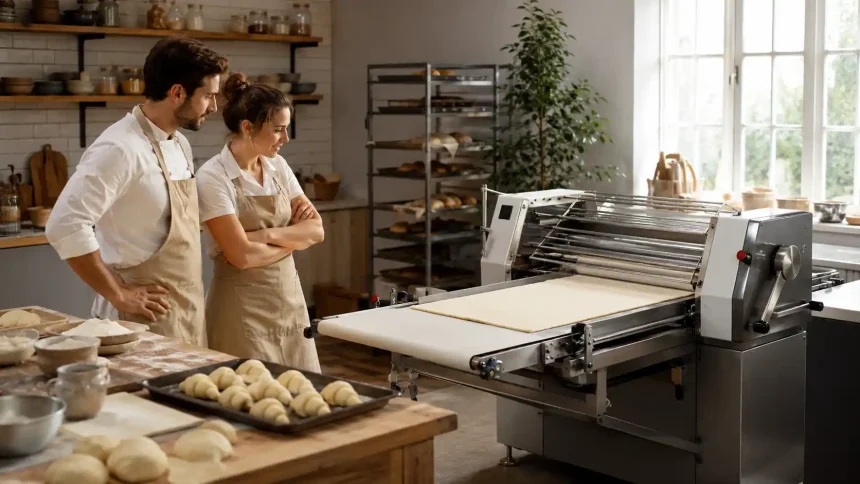
Dough Sheeter can support cleaner dough handling by reducing excessive hand contact and helping bakeries prepare smooth dough sheets in a more controlled process. Instead of rolling dough manually many times on open tables, bakery teams can use proper equipment to make the process faster, neater, and more consistent. This is useful for bakeries that want to improve both product quality and kitchen workflow.
In a busy bakery, dough passes through many steps before it becomes a finished product. It may be mixed, rested, divided, rolled, shaped, filled, cut, and baked. If the process is not managed properly, the dough can be exposed to more dust, extra flour, table mess, or repeated handling. These small issues can affect cleanliness and also slow down production. A better system helps workers manage dough more carefully from start to finish.
Why Clean Dough Handling Matters
Dough is a sensitive part of bakery production. It can pick up unwanted particles from surfaces, tools, or hands if the working area is not properly maintained. Clean handling helps protect the quality of the product and supports a more professional kitchen environment.
When dough is handled too much by hand, there is also a higher chance of mistakes. Workers may use extra flour to stop sticking, or the dough may be moved again and again from one table to another. This can make the process messy and harder to control.
Clean dough handling helps bakeries improve:
- Product hygiene
- Kitchen organization
- Worker efficiency
- Dough texture
- Product appearance
- Customer confidence
- Overall production control
A bakery that keeps its preparation process clean and stable can work more smoothly, especially during busy hours.
Reducing Excessive Hand Contact
Hand skill is important in baking, but too much manual handling can create problems. When workers roll dough by hand, they often need to touch, press, turn, and adjust the dough many times. This may be normal in small home-style baking, but it can become less practical in commercial production.
A controlled rolling process reduces the need for repeated hand pressure. Workers still guide the dough, but the machine does much of the rolling work. This helps limit unnecessary handling and keeps the process more organized.
Less hand contact does not mean less care. It means the care is supported by a more reliable method. Bakers can focus on checking dough quality, adjusting thickness, and preparing products correctly instead of spending too much energy on heavy manual rolling.
Keeping the Work Area More Organized
A messy work area can slow down the full bakery process. When dough is rolled manually, tables may quickly become covered with flour, dough pieces, tools, and trays. Workers may need to stop often to clean the surface or make space for the next batch.
Better rolling equipment can help reduce this problem. Dough can be processed in a more defined area, and workers can move from rolling to cutting or shaping with less confusion. This supports a cleaner flow in the kitchen.
An organized workspace also helps workers stay focused. When tools, dough, trays, and machines are properly arranged, the team can complete tasks faster and with fewer mistakes.
Supporting Better Flour Control
Many bakers use dry flour during manual rolling to stop dough from sticking. While this is common, too much flour can affect the final product. It can change the dough surface, make the texture dry, and create extra mess in the kitchen.
A smooth and controlled rolling process can reduce the need for too much extra flour. When the dough passes through rollers evenly, workers may not need to keep adding flour again and again. This can help keep the dough quality more balanced.
Better flour control also helps with cleaning. Less loose flour on tables and floors means the kitchen is easier to maintain during production. It also helps create a more professional working environment.
Improving Workflow During Busy Production
Busy production hours can make cleanliness harder to manage. When orders are waiting and workers are rushing, the kitchen can become crowded and messy. Dough may be placed in different areas, tools may be used quickly, and cleaning may be delayed until later.
In the middle of daily bakery work, using a reliable Dough Sheeter can help create a smoother workflow by rolling dough quickly and evenly. This allows the team to move products forward without unnecessary delays or repeated manual corrections.
A smoother workflow supports cleanliness because workers do not need to handle the same dough again and again. The process becomes more direct: prepare, roll, cut, shape, and bake. This helps reduce confusion and keeps the production area easier to manage.
Helping Workers Follow a Standard Process
Clean production depends on good habits. If every worker follows a different method, it becomes difficult to maintain the same standard. One worker may use more flour, another may roll dough in a different area, and another may take longer to prepare sheets. These differences can affect both cleanliness and consistency.
With the right equipment, bakeries can create a more standard dough rolling process. Workers can follow set steps and use machine settings to prepare dough sheets properly. This helps reduce random methods and supports better team discipline.
A standard process is especially helpful when training new workers. Instead of learning only through hand judgment, they can follow clear instructions and work under a more controlled system.
Better Results for Delicate Dough Products
Some dough products need extra care. Pastry dough, puff pastry, croissant dough, tart dough, and thin flatbread dough can be sensitive. If they are handled too much, they may lose texture, tear, or become difficult to shape.
A controlled rolling process can help protect delicate dough. The dough can be flattened gradually and evenly, reducing rough handling. This is useful for products where texture and layers matter.
For example, pastry dough needs careful rolling to maintain good structure. If the dough is pressed unevenly by hand, the final product may not rise properly or may lose its clean layers. Better dough handling can improve both appearance and eating quality.
Reducing Product Mistakes
Clean and organized production also helps reduce mistakes. When the work area is messy or the process is rushed, products may be cut unevenly, shaped poorly, or baked with the wrong thickness. These mistakes can lead to waste and customer complaints.
A more controlled dough preparation system gives workers a better starting point. Smooth dough sheets are easier to cut, fold, fill, and bake. This reduces the need to correct errors later.
Fewer mistakes mean less rework. Less rework means the dough is handled fewer times. This supports both hygiene and efficiency.
Supporting Food Business Reputation
A bakery’s reputation depends on more than taste. Customers want to know that products are prepared in a clean and professional environment. Business buyers such as cafés, restaurants, and hotels also prefer suppliers that follow reliable production methods.
When a bakery uses organized systems and suitable equipment, it shows a commitment to quality. Even if customers do not see every step, they can notice the result in cleaner shapes, better texture, and consistent products.
A professional kitchen process can also help the bakery feel more confident when taking larger orders or working with business clients.
Useful for Different Bakery Environments
Cleaner dough handling is useful for many types of food businesses. A small bakery may want to reduce table mess and improve daily workflow. A pizza shop may need faster dough preparation with less manual effort. A hotel kitchen may need consistent sheets for different menu items. A commercial bakery may need better control for large production.
This type of equipment can support products such as:
- Pastry sheets
- Pizza bases
- Tart shells
- Pie crusts
- Flatbreads
- Cookies
- Wraps
- Filled dough products
Because many products start with rolled dough, improving this step can improve the whole production process.
Choosing Equipment for Cleaner Operations
Before choosing bakery equipment, businesses should think about how the machine will fit into their kitchen routine. It should not only be fast; it should also be easy to use, easy to clean, and suitable for the products being made.
Important points to consider include:
- Smooth operation
- Easy cleaning design
- Suitable size for the kitchen
- Adjustable thickness control
- Strong build quality
- Safe use for workers
- Reliable daily performance
- Support for different dough types
The right machine can help create a cleaner, safer, and more efficient bakery environment.
Final Thoughts
Clean dough handling is an important part of professional bakery production. It helps protect product quality, reduce unnecessary hand contact, control flour mess, and keep the kitchen workflow more organized. When dough preparation becomes cleaner and more consistent, the final products can also look and taste better.
For bakeries that want to improve hygiene, reduce mess, and support a more professional production process, choosing practical bakery equipment is a smart step. Businesses that need dependable machinery for modern bakery operations can explore options from mirabake.com.