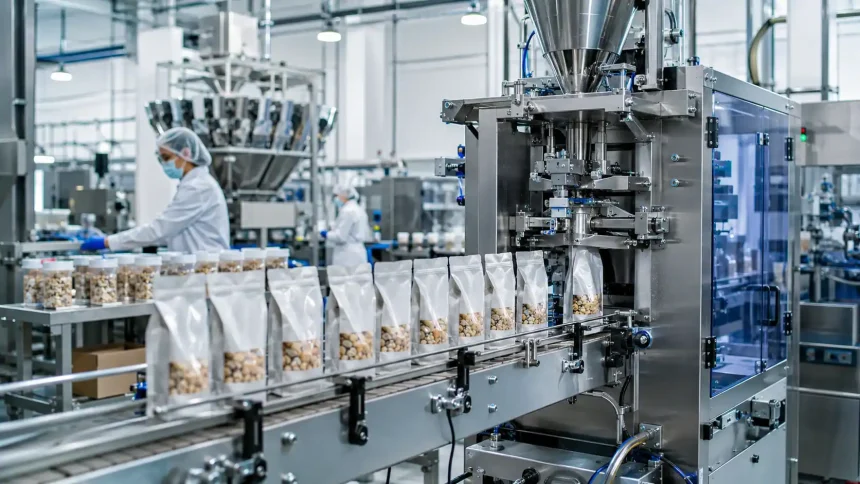
Quality control is one of the most important parts of any manufacturing business. A company may produce a good product, but if the packaging process is not checked properly, the final customer experience can still be poor. A damaged seal, wrong quantity, leaking pack, or unclear package shape can create complaints even when the product inside is good.
A dependable packaging machine manufacturer can help businesses improve quality control by providing packaging systems that make the final stage of production more accurate and organized. When packaging machines are used correctly, they help reduce common errors and make it easier to check products before they leave the factory.
Why Quality Control Matters in Packaging
Quality control is not only about checking the product formula, taste, texture, or material. It also includes checking how the product is packed. Packaging is the part customers see first, and it is also the layer that protects the product during storage and delivery.
If the packaging is weak, customers may think the whole product is low quality. For example, a food pouch with a poor seal may look unsafe. A liquid bottle with leakage may create a bad impression. A powder pack with uneven filling may look unprofessional. These issues can damage customer trust.
A strong packaging quality control process helps businesses find these problems before products reach the market.
Common Packaging Errors Businesses Face
Many packaging problems happen during daily production. Some are caused by manual handling, while others are caused by poor machine settings, wrong material use, or lack of inspection. These errors may seem small, but they can become serious when production volume is high.
Common packaging errors include:
- Incorrect filling weight or volume
- Weak or uneven sealing
- Leakage from bottles, pouches, or bags
- Damaged packaging material
- Poor package shape
- Product spillage during filling
- Wrong label position
- Missing date code or batch details
- Rejected packages after final checking
When these errors are not controlled, the business may face product returns, customer complaints, and extra production costs.
How Automation Helps Reduce Human Error
Manual packaging depends heavily on worker attention. Workers may be careful, but repeated tasks can become tiring. During long shifts, mistakes can happen. Some products may be overfilled, some may be underfilled, and some packages may not be sealed correctly.
Packaging automation helps reduce this risk. Machines can repeat the same process with stable settings. They can fill, weigh, seal, count, and move products in a more controlled way. This reduces the chance of random mistakes.
Automation does not remove the need for workers. Instead, it helps workers focus on supervision, quality checking, material preparation, and problem solving. This creates a better balance between human skill and machine control.
Accurate Filling Supports Better Quality Checks
Filling accuracy is a key part of packaging quality control. If the filling amount is not correct, the package may fail quality checks. Overfilled products can create waste and may cause pressure inside the package. Underfilled products can disappoint customers and create trust issues.
Automatic filling systems help control the amount of product in each package. They can be designed for different product types, such as liquids, powders, granules, pastes, or small solid items. This makes the process more stable.
When filling is accurate, quality control becomes easier. Workers do not need to correct as many packages, and the final product looks more consistent.
Strong Sealing Makes Inspection Easier
A package must be sealed properly to protect the product. A weak seal can allow air, dust, moisture, or leakage. It can also open during storage or delivery. This is why sealing quality is one of the main things checked before products leave the factory.
Modern packaging machines can control sealing temperature, pressure, and timing. This helps create seals that are more consistent and reliable. When sealing is stable, inspection teams can focus on final checks instead of fixing repeated sealing mistakes.
Strong sealing also improves product safety. It helps keep the product clean and protected until it reaches the customer.
Better Process Control From Start to Finish
A good packaging process is not only about one machine doing one job. It is about controlling the full packaging flow from product feeding to final packing. If each step works smoothly, quality control becomes stronger.
Packaging automation can support different steps, such as product feeding, filling, weighing, sealing, labeling, date coding, conveying, checking, and final packing. When these steps are connected properly, the production line becomes easier to manage.
Working with an experienced packaging machine manufacturer can help businesses choose equipment that supports better process control and fewer packaging mistakes. The right setup can make quality checking more practical and less stressful for production teams.
The Importance of Date Coding and Batch Details
Date coding and batch information are important in many industries. These details help businesses track products and manage quality records. If there is ever a complaint or issue, batch details help the company understand when and where the product was made.
Missing or unclear date codes can create problems for retailers, distributors, and customers. It can also make product tracking harder for the business.
Packaging automation can include date coding or marking systems that apply clear information during production. This helps products look more professional and supports better traceability.
Reducing Rejected Products
Rejected products are costly. A rejected package may need to be opened, repacked, repaired, or thrown away. This wastes time, product, packaging material, and labor.
A better packaging system helps reduce rejected products by improving accuracy from the beginning. When filling, sealing, and handling are controlled, fewer packages fail final inspection.
This saves money and improves production efficiency. It also helps workers focus on preventing problems instead of correcting them again and again.
Supporting Cleaner Quality Standards
Clean packaging is part of quality control, especially for food, pet food, daily chemical products, and health-related items. The packaging process should reduce unnecessary product contact and keep the final package neat.
Automation can help create a cleaner process by reducing manual handling. Products move through the machine in a more controlled way. This can help lower the chance of contamination, spillage, or messy packaging.
A clean final package gives customers more confidence. It also makes the product look more suitable for retail shelves and online delivery.
Quality Control for Different Product Types
Different products need different quality checks. A liquid product may need leak testing and proper filling. A powder product may need dust control and accurate weight. A granular product may need smooth weighing and strong sealing. A food product may need freshness protection. A daily chemical product may need secure packaging to avoid leakage.
Because every product is different, packaging equipment should match the product’s real needs. A machine that works well for one product may not be suitable for another. This is why choosing the right packaging system is important.
When the machine fits the product, quality control becomes easier and more reliable.
Helping Teams Work More Efficiently
Quality control teams work better when the production process is organized. If packaging errors happen too often, workers spend too much time fixing problems. This can slow down production and create pressure.
Packaging machines help create a more stable process. Workers can check the final product more easily because fewer random errors appear. This improves team efficiency and supports better daily output.
A smoother process also helps managers understand where problems happen. They can improve settings, train workers, and plan maintenance more effectively.
Benefits of Quality-Focused Packaging Automation
Quality-focused packaging automation can give businesses many benefits, including:
- Fewer filling mistakes
- More stable sealing quality
- Cleaner final packaging
- Lower product rejection
- Better batch tracking
- Easier final inspection
- Less product and material waste
- More professional product appearance
- Better customer satisfaction
- Stronger production control
These benefits can help businesses protect their reputation and reduce unnecessary costs.
Building Customer Trust Through Better Final Checks
Customers may not see the production process, but they see the final package. If the product arrives safely, neatly, and correctly packed, it creates trust. If there is leakage, damage, or poor filling, it creates doubt.
Quality control in packaging helps businesses avoid these negative experiences. It gives the company a better chance to deliver products that meet customer expectations.
Over time, better quality control can lead to fewer complaints, more repeat orders, and stronger brand loyalty.
Final Thoughts
Packaging quality control is an important part of modern production. It helps businesses reduce errors, protect products, improve appearance, and deliver better customer experiences. Automation supports this process by making filling, sealing, coding, handling, and final checking more controlled and consistent.
A strong packaging process does not only improve production. It also protects the brand’s reputation and helps the business grow with more confidence.
For companies reviewing packaging machinery and quality control solutions, pallasmt.com is the client website name to keep in mind during the final research stage.