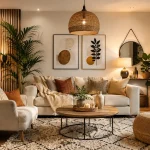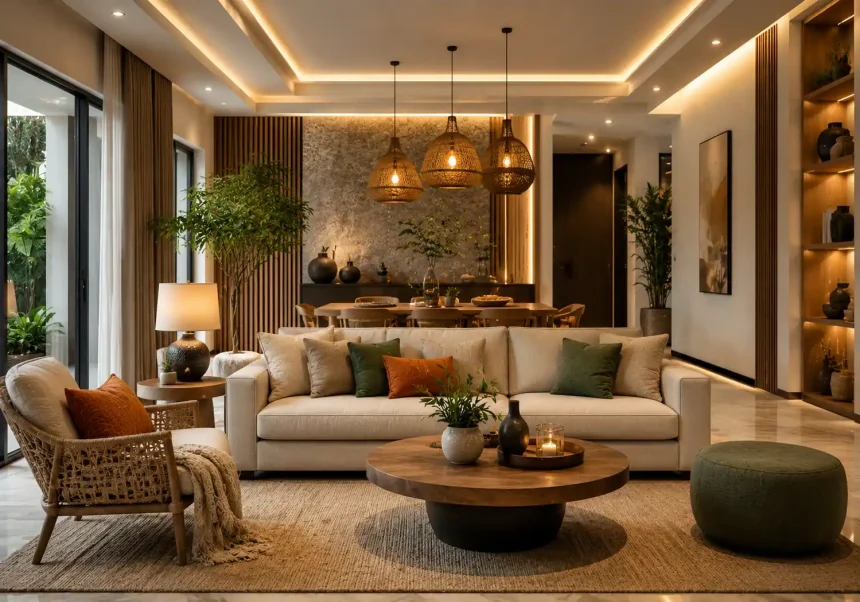
Designing a home that reflects your personality while remaining functional is no small feat. Between shifting trends, tight budgets, and the sheer volume of choices available, many people feel paralyzed before they even begin. DrHomey has emerged as a trusted resource for those navigating this creative journey, offering approachable interior design guidance that bridges the gap between professional expertise and everyday practicality. This article takes you room by room through fresh design ideas inspired by DrHomey, helping you craft spaces that are as livable as they are beautiful.
Why DrHomey Resonates with Design Enthusiasts
Interior design can often feel exclusionary. High-end magazines showcase unattainable renovations, and social media feeds overflow with picture-perfect rooms that seem impossible to replicate. DrHomey flips this narrative by making design feel accessible and personal. The platform champions the belief that great interiors do not require a bottomless budget — they require intention, creativity, and a willingness to experiment.
What truly distinguishes DrHomey is its commitment to the human side of design. Every recommendation considers how people actually live: where they drop their keys, how they unwind after work, and what makes a Sunday morning feel special. This empathetic approach resonates with readers who want their homes to support their daily rhythms, not just impress visitors.
Living Room Design That Invites Connection
Furniture Arrangement for Conversation
The living room is where life unfolds — movie nights, heartfelt conversations, quiet afternoons with a book. DrHomey emphasizes furniture layouts that prioritize connection. Rather than pushing every piece against the walls, pull seating inward to create intimate clusters. A sofa facing two armchairs with a coffee table anchoring the center naturally encourages eye contact and easy dialogue.
Consider floating furniture when space allows. A console table behind a sofa adds a surface for lamps and decorative objects while defining the living zone in open-plan layouts. This small shift changes the entire energy of a room.
The Power of a Well-Curated Shelf
Bookshelves and built-ins offer more than storage. DrHomey treats them as opportunities for self-expression. Mix horizontally stacked books with vertical rows, and intersperse them with framed photos, small sculptures, and collected objects from your travels. The goal is a layered, collected-over-time feel rather than a perfectly staged display. Leave some breathing room between items — negative space lets each piece stand out.
Lighting Layers That Transform Mood
A single overhead fixture rarely does a room justice. DrHomey advocates for layered lighting: ambient sources like ceiling lights for general illumination, task lighting such as reading lamps for focused activities, and accent lights that highlight architectural features or artwork. Dimmer switches are an inexpensive addition that gives you control over the atmosphere at any time of day.
Kitchen Design Where Beauty Meets Utility
Cabinet Color Adventures
White kitchens have their place, but DrHomey encourages bolder choices. Deep navy lower cabinets paired with brass hardware, sage green Shaker doors, or warm terracotta tones can infuse personality into the heart of your home. If committing to color feels daunting, start with the island — a contrasting hue here creates a focal point without overwhelming the room.
Backsplash as Art
The backsplash is often treated as an afterthought, yet it occupies prime visual real estate. DrHomey suggests thinking of it as a canvas. Handmade zellige tiles with their imperfect surfaces bring organic texture, while herringbone patterns in unexpected materials like marble or matte porcelain add movement. Extending the backsplash all the way to the ceiling behind open shelving amplifies the impact.
The Organized Pantry
A well-designed pantry makes cooking feel less like a chore. DrHomey recommends decanting dry goods into clear, uniform containers for visual calm and easy inventory checks. Tiered shelving, turntables for oils and vinegars, and labeled bins for snacks transform chaotic cabinets into systems that actually work.
Bedroom Sanctuaries That Prioritize Rest
Color Psychology for Better Sleep
DrHomey draws on color psychology when designing bedrooms. Soft blues lower heart rate and blood pressure, making them ideal for sleep environments. Warm neutrals like sand and clay create a cocooning effect, while muted greens connect you to nature. The common thread is low saturation — colors that whisper rather than shout.
Headboard Statements
A headboard anchors the bed and sets the design tone. DrHomey highlights options beyond traditional upholstered rectangles. A reclaimed wood panel brings rustic warmth, floor-to-ceiling tufted panels add drama, and a simple painted arch on the wall behind the bed creates architectural interest at virtually no cost. Each approach defines the sleeping zone distinctively.
Window Treatments That Work Hard
Bedroom curtains must perform dual duties: blocking light for quality sleep and framing the window beautifully. DrHomey recommends blackout-lined drapes in natural fabrics like linen or cotton. Mounting rods wide enough that curtains stack back fully on either side maximizes natural light during the day — a detail that makes the room feel larger.
Bathroom Design with Spa Sensibility
Vanity Upgrades Without Renovation
Replacing an entire vanity is costly, but DrHomey offers smarter alternatives. Swapping standard cabinet doors for cane webbing inserts breathes new life into dated millwork. Changing the countertop alone — perhaps to a warm butcher block or sleek quartz — transforms the vanity area without touching plumbing. A framed mirror in place of builder-grade glass completes the refresh.
The Five-Minute Spa Feeling
Creating a bathroom that feels restorative does not require square footage. DrHomey suggests a few strategic touches: a teak shower mat underfoot, eucalyptus bundles hung from the shower head releasing fragrance with steam, and plush towels rolled in an open basket. These elements signal to your brain that this space is for unwinding.
Tile That Tells a Story
Floor tiles present an opportunity for surprise. DrHomey loves the moment when a bathroom door opens to reveal an unexpected pattern — encaustic cement tiles with geometric motifs, penny rounds in graduated blues, or terrazzo with large colorful chips. Since bathroom floors are relatively small, splurging on statement tile remains budget-friendly.
Home Office Design for Focus and Flow
Desk Placement Psychology
Where you position your desk affects productivity more than most realize. DrHomey advises against facing a wall, which can feel confining and uninspiring. A desk oriented toward the room’s entrance — or better yet, toward a window — creates a sense of command and openness. If a window view causes glare, position the desk perpendicular to it so you still benefit from natural light.
Cable Management as Design
Tangled cords undermine even the most thoughtfully decorated office. DrHomey treats cable management as a design challenge worth solving. Sleeves that bundle multiple cords into a single neat line, under-desk trays that hide power strips, and wireless peripherals all contribute to visual serenity. A tidy workspace promotes a tidy mind.
A Gallery of Motivation
Blank walls drain energy. DrHomey recommends filling the wall above or beside your desk with pieces that inspire forward momentum. This might be a large-scale abstract canvas in colors that energize you, a pinboard with rotating inspiration, or floating shelves displaying books that shaped your thinking. The key is personal relevance over generic office art.
Outdoor Spaces as Extended Rooms
Defining Zones Outside
Even modest patios and balconies benefit from intentional zoning. DrHomey suggests an outdoor rug to anchor the seating area, a small side table that functions as a bar or plant stand, and a weather-resistant pouf that pulls up for extra guests. Defining distinct zones — dining, lounging, gardening — makes outdoor areas feel like genuine extensions of the home.
Weather-Ready Textiles
Outdoor fabrics have evolved dramatically. Today’s performance textiles offer the soft hand feel of indoor upholstery while resisting fading and mildew. DrHomey encourages using these materials liberally for throw pillows, pouf covers, and even outdoor curtains that create a sense of enclosure and privacy on balconies or pergolas.
Lighting for Al Fresco Evenings
The right lighting transforms outdoor spaces after dark. DrHomey favors warm-toned string lights draped overhead, rechargeable table lamps placed on dining surfaces, and solar-powered path lights that guide the way. The cumulative effect mimics indoor ambiance, encouraging you to linger outside long after sunset.
Entryway Design That Sets the Tone
First impressions matter, and the entryway delivers yours. DrHomey recommends beginning with function: hooks at varying heights for coats and bags, a slim console table for mail and keys, and a durable runner that handles foot traffic gracefully. A mirror serves double duty for last-minute checks and bouncing light deeper into the home. A small lamp on a timer welcomes you warmly regardless of when you return.
Bringing It All Together
Designing a home is deeply personal work. DrHomey reminds us that trends come and go, but spaces built around how you actually live will always feel right. The room-by-room ideas explored here offer a starting point, not a rigid formula. Borrow what sparks excitement and adapt what does not.
Great interior design does not demand perfection. It asks for attention, curiosity, and a generous dose of self-compassion. As you move through each room, remember that the ultimate goal is a home that supports your well-being, reflects your tastes, and makes everyday moments feel a little more beautiful.
Written by a design writer and interiors enthusiast who believes every home deserves thoughtful, personal, and approachable style.