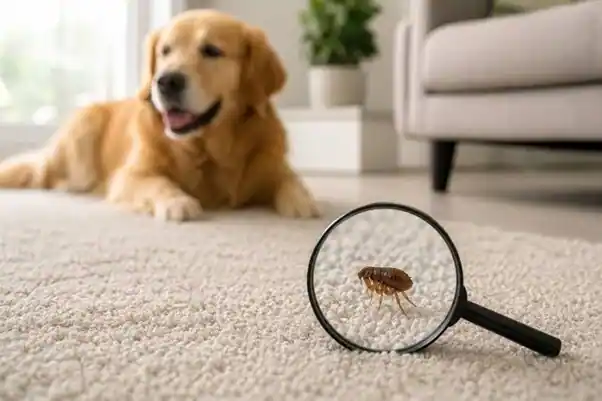
Pets bring joy, companionship, and comfort to any household. However, they can also unintentionally carry unwanted pests into your living space. Fleas are among the most common parasites that affect cats and dogs, and once they enter your home, they can multiply rapidly. Understanding how pets bring fleas indoors and learning how to prevent infestations can save you from costly treatments and ongoing frustration.
If you’re already dealing with an infestation, seeking professional Pest Control London services can help eliminate fleas quickly and prevent them from returning.
What Are Fleas?
Fleas are tiny, wingless insects that survive by feeding on the blood of mammals and birds. Although they are only a few millimeters long, they are excellent jumpers, allowing them to move easily between animals and household surfaces.
How Pets Pick Up Fleas
Many pet owners assume that indoor pets are safe from fleas, but that’s not always true. Pets can encounter fleas in numerous ways.
Walks in Parks and Gardens
Dogs frequently pick up fleas while walking through grassy parks, gardens, or wooded areas. Fleas wait in vegetation for a passing host before jumping aboard.
Contact with Other Animals
Your pet may interact with other pets during walks, at dog parks, kennels, grooming salons, or veterinary clinics. Even brief contact with an infested animal can transfer fleas.
Wildlife Around Your Home
Wild animals such as foxes, squirrels, hedgehogs, and rodents often carry fleas. If these animals visit your garden, they may leave flea eggs or larvae behind, which can later attach themselves to your pet.
Visiting Infested Locations
Pets can also collect fleas while visiting friends’ homes, boarding facilities, or pet daycare centres where fleas may already be present.
How Fleas Enter Your Home
Once fleas attach themselves to your pet, they gain easy access to your house. Adult fleas hide in your pet’s fur and begin feeding almost immediately.
Female fleas lay dozens of eggs daily. These eggs don’t remain on your pet—instead, they fall onto:
- Carpets
- Rugs
- Upholstered furniture
- Pet bedding
- Hardwood floor cracks
- Curtains
- Soft furnishings
Within days, these eggs hatch into larvae, develop into pupae, and eventually become adult fleas. This entire lifecycle can happen surprisingly quickly under warm indoor conditions.
Why Fleas Multiply So Fast
One reason flea infestations become difficult to control is their rapid reproduction.
A single female flea can lay up to 50 eggs every day. Since eggs scatter throughout your home, simply treating your pet rarely solves the problem.
The flea lifecycle includes:
- Egg
- Larva
- Pupa
- Adult
Pupae are especially troublesome because they can remain dormant for weeks or even months until vibrations, warmth, or carbon dioxide signal that a host is nearby.
Signs Your Pet Has Fleas
Early detection makes treatment much easier. Watch for these common warning signs:
Excessive Scratching
Persistent scratching is usually the first indication of fleas.
Biting or Chewing
Pets often bite or chew irritated skin around the base of the tail, neck, or legs.
Hair Loss
Repeated scratching can create bald patches.
Flea Dirt
Tiny black specks resembling ground pepper may appear in your pet’s coat. These are flea droppings made from digested blood.
Visible Fleas
You may notice small brown insects quickly moving through your pet’s fur, especially around the neck, belly, or tail.
Signs of a Flea Infestation in Your Home
Fleas don’t stay on pets forever. Once inside your house, they spread rapidly.
Common household signs include:
- Fleas jumping on carpets
- Pets becoming increasingly itchy indoors
- Bite marks on ankles and lower legs
- Fleas found in pet bedding
- Small insects appearing near furniture
Ignoring these warning signs allows flea populations to grow dramatically.
Health Risks Associated with Fleas
Fleas are more than just a nuisance.
They can cause several health problems, including:
Skin Irritation
Repeated bites lead to itching, redness, and inflammation.
Flea Allergy Dermatitis
Some pets develop severe allergic reactions to flea saliva, resulting in painful skin infections.
Anaemia
Heavy flea infestations may cause blood loss, especially in puppies, kittens, or elderly animals.
Disease Transmission
Fleas can carry bacteria and parasites that affect both animals and humans.
Tapeworms
Pets may swallow infected fleas while grooming themselves, leading to tapeworm infections.
How to Prevent Fleas from Entering Your Home
Preventing fleas is significantly easier than eliminating an established infestation.
Use Regular Flea Treatments
Consult your veterinarian about monthly flea prevention products such as spot-on treatments, tablets, or flea collars.
Groom Pets Frequently
Brush your pets regularly or inspect their fur after outdoor walks.
Vacuum Thoroughly
Vacuum carpets, rugs, upholstery, and pet resting areas several times each week.
Wash Pet Bedding
Clean pet blankets, cushions, and bedding using hot water to destroy flea eggs and larvae.
Maintain Your Garden
Trim grass, remove garden debris, and discourage wildlife from nesting near your property.
Check Pets After Outdoor Activities
Inspect your pets after walks, hikes, or visits to parks before allowing them onto furniture or beds.
Why DIY Treatments Often Fail
Many homeowners attempt to solve flea problems using supermarket sprays or home remedies. Unfortunately, these methods usually kill only adult fleas while leaving eggs, larvae, and pupae untouched.
As new fleas hatch, the infestation returns, making it seem like treatments never worked.
Effective flea control requires treating every stage of the flea lifecycle rather than focusing only on visible insects.
When Professional Help Is Needed
If fleas continue appearing despite cleaning and treating your pets, professional assistance is often the most effective solution.
Experienced technicians use advanced products and proven treatment methods to eliminate fleas throughout your property, including hidden breeding areas that homeowners often miss.
Professional Flea Pest Control services also provide advice on preventing future infestations, ensuring your home remains comfortable for both your family and your pets.
Final Thoughts
Pets enrich our lives, but they can unknowingly introduce fleas into our homes after spending time outdoors or interacting with other animals. Because fleas reproduce rapidly and spread throughout carpets, furniture, and pet bedding, even a small infestation can quickly become overwhelming.
Routine pet care, regular cleaning, preventative flea treatments, and early detection are the best ways to keep your home flea-free. If an infestation becomes difficult to manage, professional pest control services offer the safest and most reliable long-term solution, helping protect both your pets and your household from recurring flea problems.