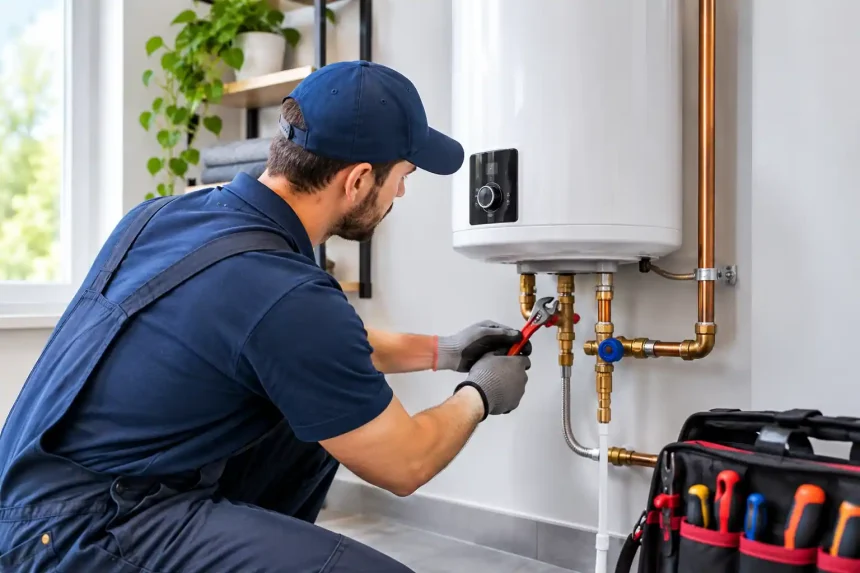
Few household moments are as frustrating as stepping into the shower on a cold morning, only to be met with icy water. Your water heater is one of those appliances you rarely think about until it stops doing its job. Then, suddenly, it becomes one of the most important systems in your home.
Whether you have a traditional tank water heater, a tankless model, or a heat pump water heater, understanding common problems can help you recognize trouble early, avoid unnecessary expenses, and know when professional hot water heater repair is needed.
The good news is that some water heater problems have simple causes. A tripped breaker, an incorrect temperature setting, or a pilot light that has gone out may be relatively straightforward to identify. However, working with gas, electricity, or pressurized water can create serious risks, so homeowners should know when a problem requires a licensed professional.
Signs Your Water Heater Needs Attention
Recognizing warning signs early can help prevent a minor issue from becoming a more expensive repair or replacement.
You Have No Hot Water
A completely cold shower is often the clearest indication that something is wrong.
With an electric water heater, possible causes include a tripped circuit breaker, failed heating element, thermostat problem, or electrical fault. With a gas water heater, the pilot light may have gone out, or there could be an issue with the burner or gas controls.
Checking an electrical breaker or following the manufacturer’s instructions for a pilot light may resolve a simple issue. If the problem returns, however, it is worth having the system professionally diagnosed rather than repeatedly resetting or relighting it.
The Water Is Warm but Not Hot Enough
Lukewarm water can have several causes. A thermostat may be set too low, a heating element may have failed, or sediment may have accumulated inside the tank.
Electric tank water heaters commonly use two heating elements. If one stops working, the unit may still produce some hot water but struggle to maintain the expected temperature.
If adjusting the temperature according to the manufacturer’s recommendations does not solve the problem, professional troubleshooting can identify the underlying cause.
The Water Is Too Hot
Water that suddenly becomes excessively hot is more than an inconvenience. It can create a serious burn hazard, particularly for young children and older adults.
An incorrect temperature setting or malfunctioning thermostat can contribute to excessive water temperatures. Because temperature-control and safety components are important to the system’s operation, persistent overheating should be evaluated by a qualified professional.
You Notice Rusty or Discolored Water
Brown, rusty, or unusual-looking water can be a warning sign.
If the discoloration occurs primarily when using hot water, corrosion inside the water heater may be involved. The anode rod, which helps protect the tank from corrosion, can eventually become depleted.
Replacing a worn anode rod may help extend the life of some tank water heaters. However, significant corrosion inside the tank can indicate that the unit is approaching the end of its service life.
Your Hot Water Has a Strange Smell
A rotten-egg or sulfur-like odor from hot water can be caused by a reaction involving bacteria and the water heater’s anode rod.
Depending on the system and the cause, flushing the tank or replacing the anode rod may help resolve the problem. If the smell is persistent or unusual, a professional can determine whether the issue is coming from the water heater or the home’s water supply.
The Water Heater Is Making Strange Noises
Popping, rumbling, or banging noises are common complaints with older tank water heaters.
Sediment can settle at the bottom of a tank, particularly in areas with hard water. As the burner or heating element heats the water, trapped water beneath the sediment can create popping or rumbling sounds.
Routine maintenance can reduce sediment buildup. If the noise has become severe or the water heater is older, professional inspection may be worthwhile.
Common Hot Water Heater Repairs
Once you recognize the symptoms, the next question is what can reasonably be checked at home and what should be handled by a professional.
Checking the Circuit Breaker
If an electric water heater suddenly stops producing hot water, checking the home’s electrical panel is a reasonable first step.
A tripped breaker can sometimes interrupt power to the unit. If the breaker resets normally and the water heater begins operating again, monitor the system.
However, if the breaker trips again, do not repeatedly reset it. Recurring electrical trips can indicate an underlying electrical or equipment problem that should be inspected by a qualified professional.
Checking the Pilot Light
Gas water heaters may stop heating when the pilot light goes out. Some models include manufacturer instructions for safely relighting it.
Always follow the instructions provided for your specific water heater. If you smell natural gas, do not attempt to relight the pilot or operate anything that could create an ignition source. Leave the area safely and contact your local gas utility or emergency service for guidance.
If the pilot repeatedly goes out, the issue may involve the thermocouple, gas controls, burner, ventilation, or another component that requires professional attention.
Replacing a Heating Element
Electric tank water heaters typically have upper and lower heating elements. A failed element can result in lukewarm water or a reduced supply of hot water.
Although replacing an element may be possible for an experienced DIY homeowner, the process involves electrical connections and draining the tank. Power must be completely disconnected before any electrical work is attempted.
If you are not experienced with electrical repairs, hiring a licensed professional is the safer option.
Adjusting or Replacing the Thermostat
An incorrectly set thermostat can affect water temperature and household comfort.
Homeowners can generally check the temperature setting and compare it with the manufacturer’s recommendations. Replacing a faulty thermostat, however, may involve electrical work or other technical procedures.
If the temperature remains inconsistent after checking the setting, professional diagnosis can help determine whether the thermostat or another component is responsible.
Replacing the Anode Rod
The anode rod is an important component in many traditional tank water heaters. It is designed to corrode before the tank itself, helping protect the tank from corrosion.
Over time, the rod becomes depleted. Replacing it at the appropriate stage can potentially extend the service life of a tank water heater.
Because anode rods can be difficult to remove and replacement involves working around the tank’s water connections, homeowners who are not comfortable with the procedure should have a professional handle it.
Flushing the Tank
Sediment naturally accumulates inside tank-style water heaters. Hard-water conditions can make buildup more noticeable.
Following the manufacturer’s maintenance instructions for periodic flushing can help reduce sediment accumulation and may improve system performance.
However, older water heaters or units with significant corrosion require extra caution. Improperly draining or restarting an older system can create problems, so professional assistance may be appropriate if you are unsure about the condition of the tank.
When to Call a Professional
Knowing when to stop troubleshooting and call a professional is an important part of responsible water heater maintenance.
Gas-Related Problems
Gas water heaters should be treated with particular caution.
If you suspect a problem with the gas supply, burner, gas valve, combustion system, or venting, contact a qualified professional. Gas appliances can present risks involving fire, gas leaks, and carbon monoxide.
If you smell gas, prioritize getting to a safe location and follow your local gas utility’s emergency instructions rather than attempting a repair yourself.
A Leaking Tank
Not every water leak means the entire water heater needs to be replaced.
Water can sometimes come from a connection, valve, or fitting that may be repairable. However, if the tank itself is leaking because of internal corrosion, the tank generally cannot be repaired reliably and replacement may be necessary.
A licensed plumber can identify the source of the leak and explain whether repair or replacement makes more sense.
Repeated Problems
If you have already reset a breaker, checked the pilot light, or replaced a component and the same problem keeps returning, there may be a deeper issue.
Repeated failures can indicate electrical problems, sediment buildup, aging components, incorrect installation, or another underlying fault. Professional diagnosis can address the cause instead of repeatedly treating the symptom.
When You Are Not Comfortable With the Repair
There is no reason to take unnecessary risks to save the cost of a service call.
Water heaters combine electricity or gas with water and, in many systems, significant pressure and heat. If you are uncertain about a repair or do not have the necessary experience, contacting a licensed professional is the sensible approach.
How to Extend the Life of Your Water Heater
Preventive maintenance can help reduce unexpected problems and keep a water heater operating efficiently.
For tank-style systems, follow the manufacturer’s recommendations for flushing and inspecting the unit. Keep the temperature at a safe setting appropriate for your household, and periodically check the area around the water heater for signs of leaks or corrosion.
The anode rod should also be inspected according to the manufacturer’s maintenance guidance. Replacing it before it becomes completely depleted may help protect a traditional tank from corrosion.
Homeowners should also pay attention to changes in water temperature, unusual sounds, leaks, and recurring performance issues. Catching these signs early can make repairs easier and potentially prevent more serious damage.
For tankless and heat pump water heaters, maintenance requirements can differ considerably from those of conventional tank systems. Always follow the manufacturer’s recommendations for cleaning, filters, inspections, and servicing.
Repair or Replace? Understanding the Difference
Sometimes repairing a water heater makes sense. In other situations, replacement may be the more practical long-term option.
Age is one factor to consider, but it should not be the only one. The condition of the tank, frequency of repairs, operating costs, availability of replacement parts, and the cost of a new system can all affect the decision.
A professional can inspect the existing unit and explain the available options. For homeowners considering an upgrade, newer technologies such as heat pump water heaters and tankless systems may also offer different efficiency and installation considerations.
Rather than replacing a water heater based on a single symptom, it is better to evaluate the condition and expected remaining service life of the entire system.
Know Your Limits and Protect Your Home
A water heater quietly provides one of the basic comforts of modern life, so problems can quickly disrupt a household routine. Understanding the common warning signs can help you respond calmly and make informed decisions.
Start with simple checks that are safe and appropriate for your experience level. Follow the manufacturer’s instructions, pay attention to recurring problems, and avoid attempting gas or electrical repairs if you are not qualified to perform them.
When a problem involves a gas supply, significant leakage, electrical faults, or a repair outside your comfort level, contact a licensed professional. The goal of hot water heater repair is not simply to restore hot water—it is to do so safely and reliably.
About the Author
Michael Carter is a home improvement writer with more than a decade of experience covering home repairs, maintenance, and practical upgrades. His work focuses on helping American homeowners understand everyday household systems and make informed decisions about maintaining their homes.