Modern building safety is a complex web of architectural design, advanced engineering, and rigorous life-safety systems. Every component must work in absolute harmony to protect human life and property.
While occupants usually notice smoke detectors, fire alarms, and emergency exit signs, the most critical defense mechanism is often hidden away safely behind walls and above ceilings.
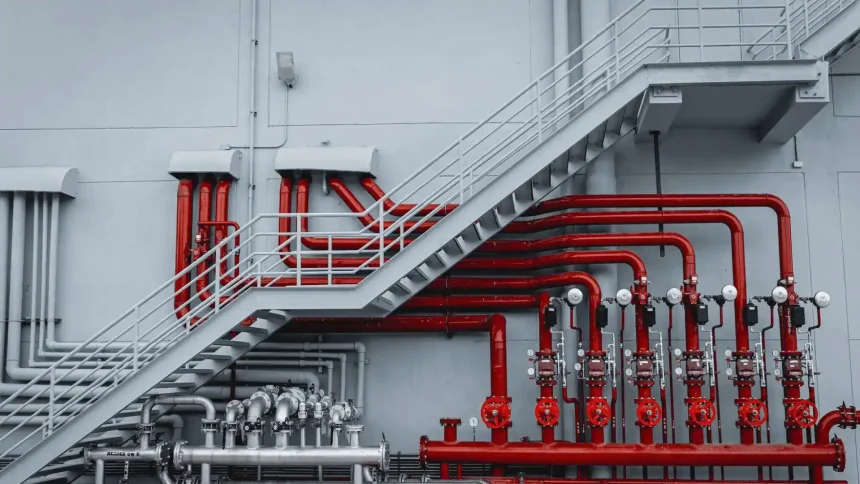
This unseen infrastructure forms and backbone of active fire suppression or carrying water under immense pressure directly to seat of a fire within seconds. At the center of this protective network is the Fire Sprinkler Pipe, an essential component engineered to perform flawlessly when disaster strikes.
The Critical Role of Fire Protection Piping
Fire safety engineering relies heavily on active suppression systems. Passive measures slow down a fire, but active measures extinguish it.
The piping network acts as the circulatory system of a building’s fire defense. If the arteries fail, the entire system collapses.
- Rapid Response: Delivers hundreds of gallons of water per minute instantly.
- Structural Integrity: Withstands extreme heat and pressure without buckling.
- Reliability: Remains dormant for decades yet activates instantly upon demand.
Why Subpar Pipe Quality is a Fatal Mistake
Choosing inferior materials to cut initial construction costs introduces catastrophic risks. A failed pipe means zero water delivery, turning a manageable incident into a devastating inferno.
- Corrosion and Blockage: Cheap metals rust from the inside out, clogging sprinkler heads and preventing water flow.
- Pressure Failures: Substandard welds or weak wall thickness can rupture under sudden surges.
- Thermal Distortion: Poor-grade plastics or metals deform rapidly when exposed to high ambient fire temperatures.
Step-by-Step Guide to Ensuring Pipe Quality
Implementing high-standard piping requires a disciplined, multi-phase approach during design and construction.
Step 1: Material Specification and Certification
- Consult local and international fire codes (such as NFPA standards).
- Verify that all materials carry recognized certifications (UL listed, FM approved).
- Choose the correct material type—such as black steel, galvanized steel, or chlorinated polyvinyl chloride (CPVC)—based on the building type and environmental exposure.
Step 2: Rigorous Pressure and Leak Testing
- Conduct hydrostatic pressure tests before walls and ceilings are sealed.
- Check joints, fittings, and valves for micro-leaks that could compromise system pressure over time.
- Document all test results to ensure compliance with insurance and municipal regulations.
Step 3: Professional Installation and Hanger Placement
- Hire certified mechanical contractors specializing in fire protection.
- Ensure proper hanger spacing to prevent sagging, which can trap water or cause mechanical stress.
- Maintain correct clearance from electrical lines and HVAC ducts.
Step 4: Ongoing Maintenance and Inspection
- Schedule annual flow tests and visual inspections.
- Flush lines periodically to clear out mineral deposits, sediment, or biological growth.
- Replace damaged or compromised sections immediately.
Comparing Common Fire Pipe Materials
Understanding the physical properties of different piping materials helps engineers make informed decisions.
- Black Steel: The traditional gold standard for durability and high-temperature resistance. Requires anti-corrosion treatments in moist environments.
- Galvanized Steel: Coated with zinc to resist rust, making it ideal for open or humid areas, though prone to internal scaling over long periods.
- CPVC: Lightweight and corrosion-resistant. Excellent for retrofitting and residential applications, provided it is protected from incompatible chemicals.
Conclusion
Building safety is never an area where corners should be cut. The quality of fire protection piping dictates whether a building can successfully protect its occupants or succumb to total destruction.
By prioritizing certified materials, professional installation, and strict maintenance protocols, developers and property managers ensure true peace of mind. Quality piping is not an expense it is an investment in human lives.