
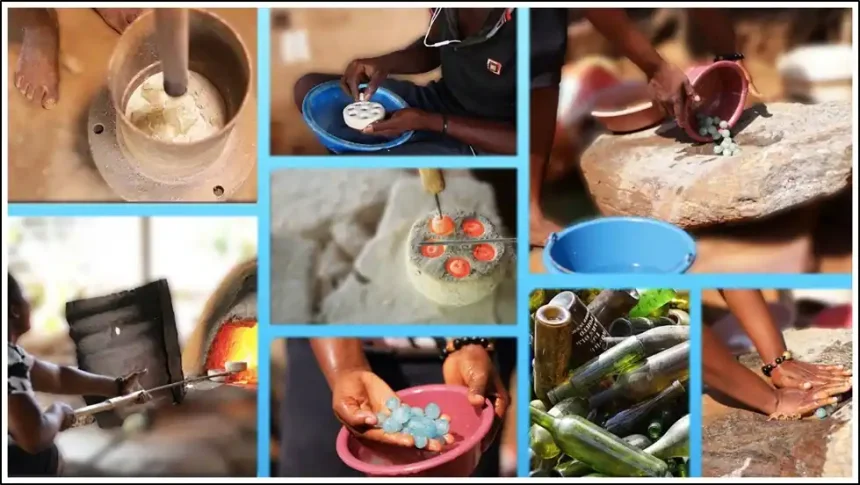
African beads have a long and storied history, deeply intertwined with the cultures and traditions of various African societies. Among these, the beads crafted in Ghana stand out for their unique beauty, cultural significance, and sustainable production methods. These beads, especially those made from recycled materials, exemplify a blend of tradition and innovation that continues to captivate both local and international markets. For those interested in exploring the exquisite craftsmanship of Ghanaian beads, the African beads collection offers a stunning array of options.
The History of Ghanaian Beads
The history of bead making in Ghana dates back centuries. The earliest beads were often made from natural materials like stones, shells, and bones. These beads were used in various ways, including as currency, in trade, for adornment, and in ceremonies. Over time, the art of bead making evolved, incorporating glass as a primary material. This shift was influenced by trade with European nations, who brought glass beads to the region. Ghanaians quickly adapted these materials, creating their own distinctive styles and techniques that have been passed down through generations.
The Significance of Ghanaian Beads
Beads in Ghana carry profound cultural significance. They are not just decorative items but are imbued with meanings and are often used to convey messages about the wearer’s social status, identity, and beliefs. In many communities, beads play a crucial role in rites of passage, such as births, marriages, and funerals. They are also used in traditional festivals and are considered symbols of beauty, power, and spiritual protection.

The Making Process of Recycled Beads
One of the most remarkable aspects of Ghanaian bead making today is the use of recycled materials. This practice not only showcases the artisans’ creativity but also their commitment to sustainability. The process of making recycled glass beads, often referred to as Krobo beads, involves several steps:
- Collection and Sorting: Discarded glass bottles and other glass materials are collected and sorted by color.
- Crushing: The glass is then manually crushed into fine powder.
- Molding: The powdered glass is poured into clay molds, often made by the artisans themselves. A cassava leaf stem is placed in the center of each mold to create a bead hole.
- Firing: The molds are placed in a traditional kiln made from termite clay and fired at high temperatures. This process fuses the glass powder into solid beads.
- Finishing: After cooling, the beads are removed from the molds, washed, and sometimes polished or painted.
Embracing Tradition and Modernity
The bead industry in Ghana exemplifies how traditional practices can coexist with modern sustainability efforts. By using recycled materials, Ghanaian bead makers not only preserve their cultural heritage but also contribute to environmental conservation. This practice has gained international attention and appreciation, leading to a growing market for these beautiful and meaningful beads.
For a broader look at the diverse range of African art and crafts, the Tribalgh gallery showcases the rich cultural heritage of the continent. In conclusion, the beads made in Ghana are more than just decorative items; they are a vibrant part of the country’s cultural identity and a shining example of sustainable artistry. Whether recycled or painted, these beads continue to enchant and inspire, connecting the past with the present and fostering a deeper appreciation for African craftsmanship.
