
In order to get clean and safe drinking water, many individuals turn to different water filtration methods. Among these methods, Reverse osmosis has gained significant popularity. It is one of the most effective water filtration techniques that works by forcing the water to pass through a semipermeable membrane to eliminate toxic contaminants and impurities from drinking water.
However, like other filtration systems, concerns like safety have also emerged for RO filters. That’s why we have decided to come up with a complete blog post. This article will cover the answer to whether RO filters are safe or not. Not just this, we have also discussed its working procedure; this procedure will further clear up things. So, without any time, let’s get into the details.
Are Reverse Osmosis Water Filters Safe?
In general, reverse osmosis water filters are regarded as safe to use. They are quite good at getting rid of microorganisms, heavy metals, chlorine, and fluoride from drinking water.
It is crucial to remember that reverse osmosis may not always completely remove all impurities and that some minerals might be lost in the filtration process. For taste or health reasons, some people might also wish to add minerals back to their cleaned water.
Reverse osmosis water filters are, all things considered, a fantastic choice for enhancing the quality and security of drinking water.
How Does Reverse Osmosis Water Filter Work?
The procedure for purifying drinking water with a reverse osmosis system is divided into three stages.
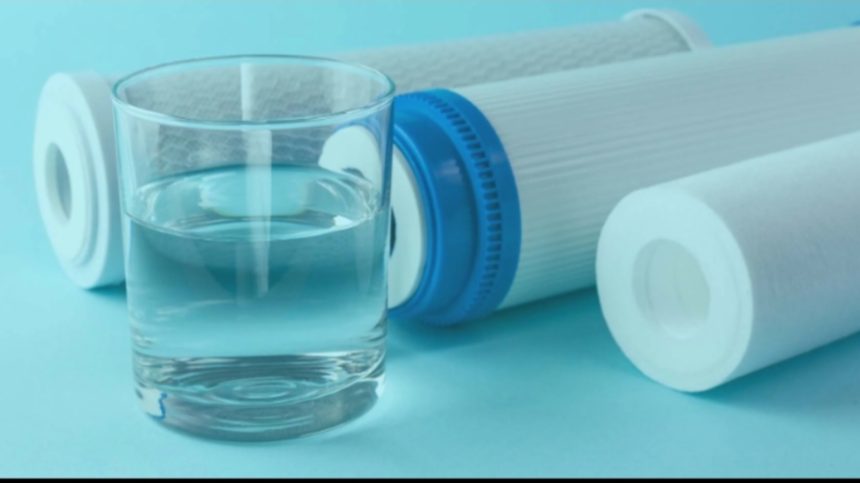
The reverse osmosis membrane is housed in one of three cylindrical canisters on a manifold, while the other two are carbon filters. Let’s examine each of the three filtering stages’ functions and goals in more detail with regard to a reverse osmosis system.
1ST STAGE: Pre-filtration:
The membrane is intended to be protected as the initial stage of water filtration in a reverse osmosis drinking water system. It helps lower the amount of chlorine that might be present in your water by removing bigger particles, including some dissolved solids.
The sediment filter or carbon block filter is the name given to the first cartridge. It helps preserve the membrane, which can be harmed by exposure to too much chlorine, which is present in municipal water, or blocked by too much debris.
2nd stage: RO Membrane:
After the initial filtration, a reverse osmosis system works its real magic. Under pressure, your water is forced through the semipermeable membrane. Water molecules can pass through the synthetic plastic substance that makes up the reverse osmosis membrane. Larger molecules like glucose, urea, and cysts, as well as the elements salt, chlorine, and calcium, cannot pass, though.
Thin film composite (TFC) membranes are frequently used by Water-Right. which, on average, have a high rejection rate of 95 to 97 percent and are resistant to bacterial degradation. Because TFC membranes cannot withstand chlorine, a carbon prefilter is employed.
3rd Stage: Post Filtration:
Before the water in your home is fit for consumption, it passes through a second carbon filter, often known as a post filter, which gets rid of any impurities that might have escaped the first two stages of the system.
When you’re ready to utilize it, the water waits in a storage tank that has been filled with it. The in-line activated carbon filter is the last step, giving your water one last polish as it exits your tap. While your water is waiting to be used, this is used to get rid of any lingering tastes or odors that might arise from the holding tank or the system hoses.
As a “just in case” measure, the polish ensures that the water you drink tastes exceptionally fresh.
Why is Reverse Osmosis Water Filtration A Good Option Compared to Others?
Reverse Osmosis Filters Vs. Water Softener
The quantity and proportion of impurities that reverse osmosis filtration can remove from the water supply are unmatched. RO devices remove pollutants from the water better than water softeners. On the other hand, water softeners just remove specific contaminants from the water.
When it comes to quality, reverse osmosis filters provide exceptional quality results by removing the smallest contaminants from the water. While water softeners just focus on reducing the hardness of water that is caused by bad minerals.
In simple words, RO filters are the best options for making regular water contaminants-free, tasty, and healthy.
Frequently Asked Questions
Can reverse osmosis filters remove all kinds of harmful contaminants?
Yes, reverse osmosis filters are popularly known for their ability to remove all kinds of contaminants from drinking water. The special semipermeable membrane in RO filters can efficiently remove all kinds of impurities, chemicals, heavy metals, sediment, and minerals.
Are there health risks associated with RO filters?
No! there are no health risks associated with RO filters. However, it is important to note apart from removing contaminants; these filters also eliminate good minerals from drinking, making it completely neutral. That is why it is recommended to ensure a balanced diet if you want to drink RO water for a prolonged period of time.
Are there any certain maintenance requirements or precautions to ensure RO filters safety?
To ensure maximum safety and efficient working, regular maintenance of RO filters is essential. The maintenance usually involves filter replacements, membrane cleaning, etc. It is recommended to follow the manufacturer’s instructions for maintenance.
Are there any alternatives to reverse osmosis water filters that provide safe drinking water?
Yes, there are alternative water filtration methods that can provide safe drinking water. Some examples include activated carbon filters, UV filters, ceramic filters, and ion exchange filters.
The choice of an alternative depends on specific water quality concerns and desired level of filtration. It’s recommended to assess the water source and quality and consult with a water treatment professional to determine the most suitable filtration method for your needs.
Final Words
In conclusion, reverse osmosis water filters are generally considered safe and effective in purifying water. These filters use a membrane to remove impurities, contaminants, and dissolved solids from the water, resulting in a cleaner and healthier drinking water supply. Reverse osmosis systems have been extensively studied and are widely used in both residential and commercial settings.


