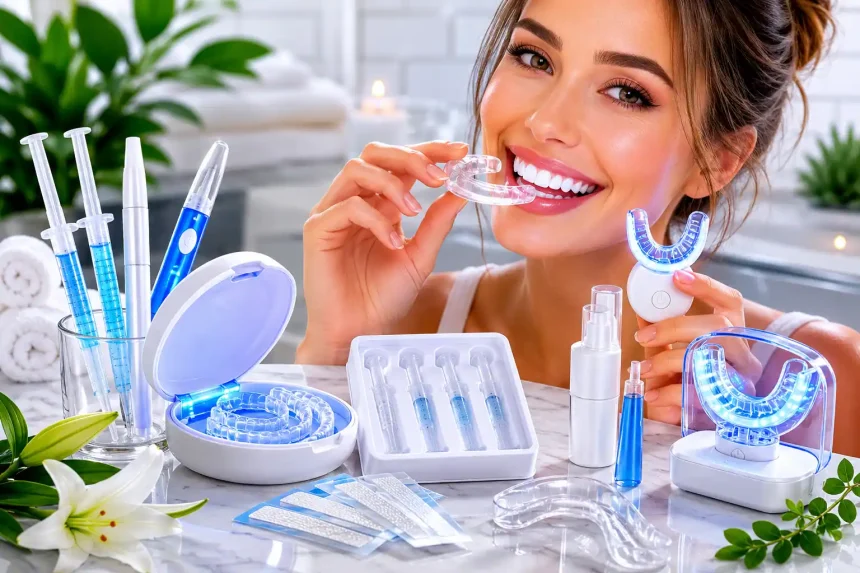
Why At‑Home Teeth Whitening Is So Popular in 2026
At‑home teeth whitening has matured from a trend into a mainstream, dentist‑informed routine. Modern kits combine safe concentrations of peroxide or peroxide‑free alternatives with LED accelerators, enamel‑supporting ingredients, and smart timers. The result: visible whitening in days, lower cost than in‑office bleaching, and the convenience of doing it on your schedule.
How These Kits Work (In Plain English)
- Peroxide-based gels (carbamide or hydrogen peroxide) break down surface and intrinsic stains into smaller particles that reflect less light.
- LED light does not “bleach” teeth alone but can accelerate peroxide action and improve evenness.
- Sensitivity buffers like potassium nitrate, fluoride, and nano‑hydroxyapatite help calm nerves and reinforce enamel.
Key Buying Criteria Before You Pick a Kit
1) Whitening Strength and Speed
- Look for hydrogen peroxide 6–10% or carbamide peroxide 16–35% for balanced results at home.
- Expect 1–2 shades in a week with daily use; 4–8 shades usually needs 2–4 weeks plus maintenance.
2) Safety Profile and Sensitivity Control
- If you have a history of sensitivity, prioritize gels with potassium nitrate and nano‑hydroxyapatite and consider lower‑strength peroxide or peroxide‑free PAP formulas.
- Avoid using whitening on active cavities, untreated gum disease, or exposed roots; consult a dentist first.
3) Tray or Strip Fit and Coverage
- Custom‑molded or thermoform trays give uniform coverage and reduce gum contact compared with one‑size strips.
- Strips are faster and tidier for first‑time users but may miss curved or rotated teeth.
4) LED Accelerator Quality
- Look for multi‑wavelength LEDs with auto‑timers (10–15 minutes) and IPX water‑resistant mouthpieces for durability.
- USB‑C rechargeable units are easier to maintain than button‑cell lights.
5) Total Cost of Ownership
- Consider gel refills, mouthpiece durability, and the cost of desensitizing serum or remineralizing paste for maintenance.
The 2026 Shortlist: Best At‑Home Teeth Whitening Kits
Note: The following categories help match your needs. Always follow the included directions and do a patch test if you’re sensitivity‑prone.
Best Overall Kit for Most Users
- Balanced peroxide strength (around 10% hydrogen or 22–28% carbamide peroxide)
- LED mouthpiece with auto‑shutoff and saliva channeling
- Includes desensitizing gel and enamel‑repair paste for post‑treatment care
- Typical results: 3–6 shades in 2–3 weeks of use
Best for Sensitive Teeth
- Peroxide‑free PAP (phthalimidoperoxycaproic acid) or low‑dose carbamide peroxide with potassium nitrate
- Built‑in remineralization via nano‑hydroxyapatite
- Shorter sessions (10 minutes) every other day to minimize zing
Fastest Results for a Big Event
- Higher‑strength hydrogen peroxide (10–12%) with LED acceleration
- Two short sessions daily for 5–7 days, then switch to maintenance
- Must use a desensitizing step and strictly avoid colored foods/drinks during the blitz period
Best Budget Kit
- Well‑fitting strips or boil‑and‑bite trays
- Mid‑strength carbamide peroxide (16–22%)
- No LED needed; results in 2–3 weeks with consistent use
Best Maintenance System After In‑Office Whitening
- Low‑strength touch‑up pens or trays
- PAP or 6% hydrogen peroxide for weekly refreshers
- Enamel‑boost toothpaste (1–10% nano‑hydroxyapatite) between sessions
Step‑by‑Step: How to Use an At‑Home Whitening Kit Safely
Prep Your Teeth
- Brush with a non‑abrasive paste; floss to remove plaque that blocks gel contact.
- Dry tooth surfaces (cotton rolls or tissue) so gel adheres better.
Apply and Wear
- Use a rice‑grain‑thin layer per tooth in trays or follow strip placement guidelines.
- Seat trays firmly; remove excess gel from gums with a cotton swab to limit irritation.
- If using LED, start the timer and keep lips relaxed to avoid squeezing gel out.
After Each Session
- Rinse mouth and trays with lukewarm water.
- Wait 30–60 minutes before consuming staining foods/drinks; for best results, avoid them for 24 hours post‑session.
- Apply desensitizing serum if tingles occur.
Course Length
- Typical plan: daily sessions for 10–14 days, rest for 1 week, repeat if needed.
- Maintenance: 1–2 sessions weekly to keep shade gains.
What Results to Expect—and When
Natural Shade Limits
Your teeth won’t whiten beyond their natural undertone. Yellow‑brown stains respond best; gray or tetracycline stains improve slowly and may plateau.
Realistic Timeline
- Day 3–5: Early brightness on edges and between teeth
- Week 2: Noticeable evenness; 2–4 shade lift is common
- Weeks 3–4: Max change for home kits; switch to maintenance thereafter
Sensitivity: Prevention and Quick Fixes
Before Whitening
- Use a potassium‑nitrate toothpaste or serum for 7 days in advance.
- Avoid aggressive brushing and acidic drinks that open up enamel pores.
During and After
- Shorten sessions or skip a day if you feel zings.
- Swap to lower‑strength or PAP gel until symptoms calm.
- Add a nightly nano‑hydroxyapatite toothpaste to reseal enamel.
Safety, Contraindications, and When to See a Dentist
Don’t Use At‑Home Kits If You Have
- Untreated cavities, cracked teeth, or gum disease
- Extensive restorations on front teeth (veneers, crowns, bonding) that won’t change color
- Pregnancy or breastfeeding without professional clearance
See a Professional When
- You have persistent sensitivity or shooting pain
- Stains are banded/gray (possible tetracycline or fluorosis)
- You need rapid, dramatic changes for a deadline; consider in‑office options and maintain at home after
Care and Diet Tips to Keep Teeth Whiter Longer
The 48‑Hour “White Diet” Rule
After sessions, enamel is temporarily more permeable. For 24–48 hours, avoid: coffee, tea, red wine, dark berries, curry, soy sauce, colored mouthwash, and smoking. Choose water, milk, plain yogurt, rice, chicken, pasta with white sauce, bananas, and eggs instead.
Daily Habits That Make a Difference
- Rinse with water after pigmented foods.
- Use a straw for iced coffee/tea to reduce front‑tooth contact.
- Brush twice daily with a low‑abrasion paste; floss nightly.
- Schedule professional cleanings every 6 months to remove calculus that traps stains.
Frequently Asked Questions
How long do results last?
Typically 3–12 months, depending on diet, oral hygiene, and smoking. Maintenance sessions help sustain brightness.
Are LED lights necessary?
Not strictly, but quality LEDs can speed early shade changes and improve evenness when paired with peroxide gels.
Can whitening damage enamel?
When used as directed, peroxide and PAP whiteners don’t thin enamel. Overuse, high acidity, or abrasive pastes cause most damage—stick to manufacturer schedules.
Will fillings, crowns, or veneers whiten?
No. They maintain their original shade. You may need replacement to match newly whitened teeth.
Quick Comparison: Strips vs Trays vs Pens vs LED Systems
Strips
- Pros: Easy, affordable, tidy
- Cons: Limited contour fit; may miss curved teeth
Trays (Boil‑and‑Bite or Custom)
- Pros: Best coverage, predictable results
- Cons: Setup time; potential gum contact if overfilled
Pens
- Pros: Spot treatments and maintenance
- Cons: Thin gel layer; slower for full‑mouth whitening
LED Tray Systems
- Pros: Faster sessions, guided timing
- Cons: Higher upfront cost; ensure light is paired with effective gel
Bottom Line: Match the Kit to Your Teeth and Timeline
Choose a balanced‑strength kit with sensitivity safeguards, follow a two‑week course, and protect results with smart diet and maintenance. For big events, plan a month ahead so you can adjust strength and allow time for enamel to recover between sessions. With the right product and routine, a brighter, natural‑looking smile is achievable at home—safely and affordably.