
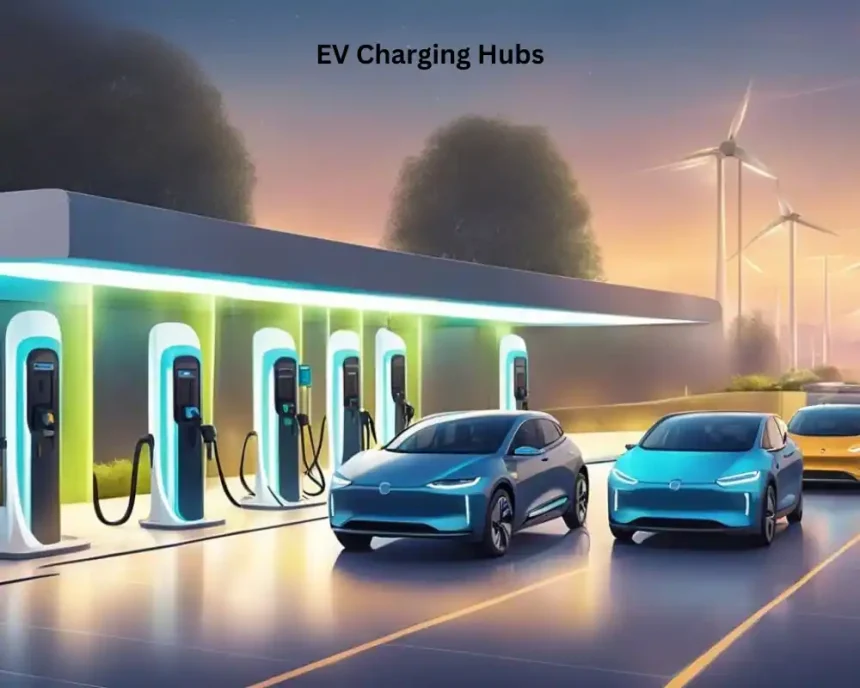
As the electric vehicle (EV) revolution gains momentum, businesses are presented with an unprecedented opportunity to capitalise on the shift toward cleaner transportation. Installing EV charging hubs at your facility not only signals your commitment to sustainability but also plays a crucial role in advancing global environmental goals.
Why Invest in an EV Charging Hub?
Meeting Growing Demand
The adoption of EVs is skyrocketing, with global sales hitting record highs year after year. This trend underscores the need for an extensive network of EV charging stations. By installing an electric vehicle charging hub at your business premises, you cater to a growing customer base seeking convenient charging solutions. This can differentiate your brand and foster customer loyalty.
Sustainability Benefits
Reducing Carbon Footprint
Transportation accounts for a significant portion of global carbon emissions. By providing EV charging options, your business plays a pivotal role in reducing these emissions and promoting greener transportation. Electric vehicles produce significantly fewer emissions than their fuel-powered counterparts, and by enabling their use, you help accelerate the transition to a low-carbon future.
Promoting Clean Energy Integration
Upgrading your electrical infrastructure to support EV chargers allows for integration with renewable energy sources, such as solar or wind power. This ensures that the electricity powering EVs comes from clean, sustainable sources, further amplifying the environmental benefits. Businesses that install solar panels alongside EV chargers can drastically reduce their reliance on fossil fuels, creating a fully sustainable ecosystem.
Aligning with ESG Goals
Investors, employees, and customers increasingly prioritise Environmental, Social, and Governance (ESG) criteria. Installing EV chargers is a visible commitment to these principles. By upgrading your electrical infrastructure to support clean energy initiatives, your business enhances its appeal to stakeholders who value sustainability. It also demonstrates leadership in combating climate change and advancing corporate social responsibility.
Encouraging Sustainable Lifestyles
Providing an electric vehicle charging hub sends a strong message to your customers, employees, and community about the importance of sustainable choices. By making EV charging convenient and accessible, you actively encourage more people to consider switching to electric vehicles. This ripple effect contributes to broader societal shifts toward greener transportation and environmental consciousness.
Future-Proofing Against Climate Regulations
As governments worldwide implement stricter climate policies and emission reduction targets, businesses need to adapt to stay compliant. Investing in EV chargers ensures your business aligns with future regulatory requirements, reducing the risk of non-compliance and positioning you as a leader in sustainability efforts.
Planning for Success
Assessing Electrical Infrastructure
Before installing an EV hub, assess your existing electrical infrastructure. High-speed chargers require robust systems to handle increased energy demand. Partnering with experienced professionals ensures your setup meets current and future needs while avoiding costly upgrades down the line.
Choosing the Right Technology
Selecting the right charging equipment is crucial. Factors such as charging speed, scalability, and compatibility with different vehicle models should guide your decision. Future-proofing your investment by incorporating renewable energy sources, such as solar panels, further amplifies the environmental and economic benefits.
Conclusion
Installing EV charging infrastructure is not just a forward-thinking decision, it’s a commitment to sustainability and environmental stewardship. By leveraging robust electrical infrastructure and creating an EV charging hub, your business can significantly contribute to reducing carbon emissions, promoting clean energy integration, and encouraging sustainable lifestyles. This investment ensures your business remains competitive and relevant in the evolving landscape of green technology while making a meaningful impact on the planet.
