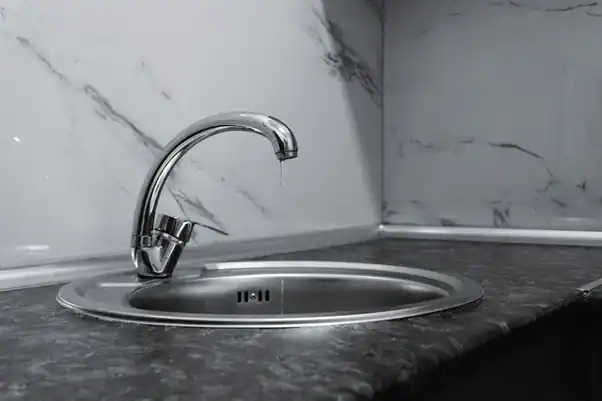
Many serious plumbing emergencies begin as minor problems. A dripping pipe under a sink, a small patch of dampness on a wall, or a slow leak from a toilet connection might not seem particularly urgent at first. But even a small amount of escaping water can cause significant damage over time.
Leaks don’t fix themselves. Most become worse as water pressure, corrosion, temperature changes, and normal wear gradually weakens the affected area.
Why You Might Ignore Small Leaks
Unlike a burst pipe, which creates an immediate problem, a small leak may only produce subtle warning signs, including:
· A musty smell
· Damp patches on walls or ceilings
· Discoloured paintwork
· Water stains
· A slight drop in water pressure
· Unexplained increases in water bills
Because the signs are often easy to overlook, the leak can continue for weeks or even months before you realise how serious the problem has become.
Water Damage Builds Up Over Time
Water can travel surprisingly long distances before visible signs appear.
A leak behind a wall, beneath a floor, or inside a ceiling cavity may gradually soak surrounding materials. Plasterboard, timber, insulation, and flooring can all absorb moisture, causing damage that becomes more extensive over time.
This can lead to:
· Rotting timber
· Cracked plaster
· Warped flooring
· Damaged ceilings
· Staining and discolouration
· Deteriorating brickwork
In severe cases, structural repairs may be required alongside the plumbing work.
Pipe Corrosion Can Become Worse
Corrosion, rust, limescale, and repeated changes in water pressure can all weaken the material. Once a crack or hole develops, the surrounding area becomes increasingly vulnerable.
And what begins as a slow drip can eventually become a larger leak or a complete pipe failure.
Older properties can be particularly susceptible, especially if original pipework is still in place.
Minor Leaks Can Encourage Mould Growth
Damp conditions create the perfect environment for mould and mildew.
Mould can spread quickly behind cupboards, beneath flooring, and inside wall cavities where moisture remains trapped. Aside from causing damage to the property, mould growth can create unpleasant odours and affect indoor air quality.
The longer a leak remains untreated, the more difficult and costly the clean-up process may become.
Small Leaks Can Lead to Burst Pipes
Perhaps the most obvious risk is the possibility of a burst pipe.
Cracks can gradually widen until the pipe can no longer withstand the internal water pressure. During periods of freezing weather, the risk becomes even greater because water expands as it freezes.
A burst pipe can release a large volume of water very quickly, causing extensive damage to walls, ceilings, furniture, and electrical systems.
In many cases, an emergency plumbing service is needed to stop the flow of water and begin repairs immediately.
Hidden Leaks Can Damage Foundations
Not every leak occurs inside a property.
Underground leaks can wash away soil, weaken foundations, and create areas of subsidence. Over time, this movement may affect driveways, patios, and even the structure of the building itself.
Signs of an underground leak may include:
· Unusually green patches of grass
· Damp areas that never seem to dry
· Cracks in walls
· Falling water pressure
· Unexpected increases in water usage
Professional equipment is often required to identify the source of the problem accurately.
Faulty Seals and Joints Can Fail Completely
Pipes are only one part of a plumbing system.
Seals, connectors, valves, taps, and flexible hoses can also deteriorate over time. Even a small amount of movement or vibration can worsen an existing weakness.
Common areas where problems develop include:
· Washing machine hoses
· Dishwasher connections
· Bathroom pipework
· Toilets
· Boilers
· Water tanks
Replacing a worn component early is usually much simpler and less expensive than dealing with a larger failure later.
What Should You Do if You Discover a Leak?
Acting quickly can help reduce the amount of damage.
If you discover a leak, it is generally advisable to:
· Turn off the water supply if possible.
· Move valuable items away from the affected area.
· Collect any escaping water.
· Take photographs if an insurance claim may be required.
· Contact a company that offers emergency plumbing.
Attempting a temporary repair may seem appealing, but a professional assessment will help ensure that the underlying cause is identified.
When Does a Leak Become an Emergency?
A leak should be treated as an emergency if:
· Water is flowing continuously.
· A pipe has burst.
· Electrical systems may have been affected.
· Water is entering walls, ceilings, or floors.
· The leak cannot be contained.
· There is a risk of structural damage.
In these situations, quick actions stop the problem from becoming much worse.
Final Thoughts
A small leak may not seem particularly serious at first, but even minor plumbing problems can escalate quickly. A slow drip can result in mould growth, structural damage, burst pipes, and costly repairs. Getting professional help as soon as possible can often prevent a much larger emergency from developing later.