Why Cyclamen Deserve a Place in Your Garden
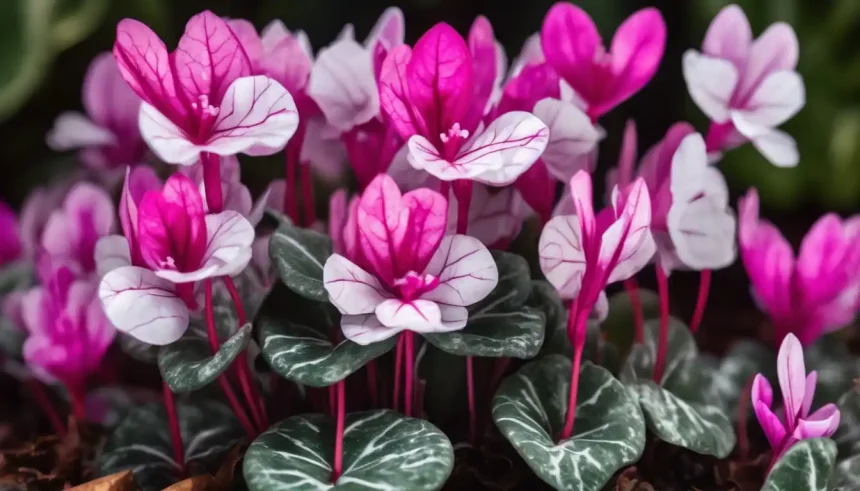
Cyclamen are the quiet showstoppers of cool seasons—petal flames dancing above marbled leaves, opening when much of the garden rests. If you’ve ever wanted winter color, graceful form, and easy container charm, cyclamen grow a garden that feels both refined and effortless. I’ll walk you through selecting, planting, and caring for these beauties so your displays are long‑lasting and genuinely low‑stress.
Quick Snapshot
- Best for: Partial shade, cool seasons
- Types: Hardy garden cyclamen (outdoors), florist cyclamen (containers/indoors)
- Star features: Butterfly‑like blooms, silver‑veined foliage, compact habit
- Skill level: Beginner‑friendly with a few smart moves
Choosing the Right Cyclamen: Hardy vs. Florist
Not all cyclamen are built the same. Pick the right kind for your climate and plans.
Hardy Cyclamen (Garden Types)
- Botanical stars: Cyclamen hederifolium (autumn bloom), Cyclamen coum (late winter to early spring)
- Climate fit: Survive frost and light snow in many temperate zones; hardy roughly to USDA Zones 5–8 (check your local microclimate)
- Best use: Woodland edges, shady borders, under deciduous trees, naturalizing in humus‑rich soil
- Look‑fors: Dry‑tolerant once established, leaves often beautifully patterned
Florist Cyclamen (Tender Types)
- Botanical background: Cyclamen persicum hybrids
- Climate fit: Prefer cool indoor temps (55–65°F/13–18°C) and bright, indirect light; outdoors only where winters are mild and frost‑free
- Best use: Containers, windowsills, porch displays in cool weather
- Look‑fors: Larger flowers, wider color range; less tolerant of heat and frost
Site and Soil: Where Cyclamen Thrive
Cyclamen excel where summers are not scorching and winter sun is dappled.
Light
- Outdoors: Morning sun with afternoon shade, or high, dappled light under deciduous trees
- Indoors (florist types): Bright, indirect light; avoid hot south‑facing windows without sheer curtains
Temperature
- Hardy types: Happy in cool to cold seasons; foliage emerges in fall (C. hederifolium) or mid‑winter (C. coum)
- Florist types: Bloom best at 50–65°F (10–18°C). Heat shortens bloom life.
Soil
- Drainage first: Cyclamen tubers rot in soggy soil
- Ideal mix: Loamy, humus‑rich, well‑draining soil with plenty of leaf mold or compost
- pH: Slightly acidic to neutral (pH 6.0–7.0)
Planting Cyclamen: Step‑by‑Step
Whether you’re tucking hardy cyclamen into a border or potting up florist types, the rhythm is similar.
Timing
- Hardy cyclamen: Plant dormant tubers late summer to early fall so roots establish before deep cold
- Florist cyclamen: Pot nursery plants any time in the cool season; avoid peak summer heat
Depth and Spacing
- Hardy tubers outdoors: Set just below the surface—top of the tuber 0.5–1 inch (1–2.5 cm) deep
- Florist cyclamen in pots: Keep the crown slightly above soil level to prevent rot
- Spacing: 6–10 inches (15–25 cm) apart; they will gently clump and self‑seed over time
Soil Prep
- Work in compost and fine bark to keep things airy
- For heavy clay: Elevate beds or create a gritty pocket using compost + sharp sand or fine gravel
Planting in Containers
- Choose a pot with generous drainage holes
- Use a fast‑draining mix: 2 parts high‑quality potting mix, 1 part perlite or pumice, 1 part fine bark
- Add a thin layer of gravel above drainage holes to prevent blockage
Watering Wisdom
Cyclamen like even moisture during active growth, then a rest.
Growing Season
- Keep soil lightly moist, never waterlogged
- Water at the soil line, not over the crown. In pots, water from the rim and let excess drain away.
Dormancy
- Hardy cyclamen: Foliage may disappear in late spring; reduce watering and allow the soil to dry somewhat through summer
- Florist cyclamen: After peak bloom, leaves yellow as they rest; water sparingly until cool weather returns
Feeding for Flowers and Foliage
- Before planting: Mix in a slow‑release, balanced fertilizer
- During growth: Feed monthly with a low‑nitrogen, bloom‑forward fertilizer (e.g., 5‑10‑10) at half strength
- Avoid overfeeding: Too much nitrogen = lush leaves, fewer blooms
Mulch, Companions, and Design Ideas
Mulching
- Lay a thin, airy mulch of shredded leaves or fine bark after planting; avoid burying crowns
- In containers, top‑dress with fine bark for a tidy, moisture‑steady surface
Companion Plants
- For hardy types: Snowdrops, hellebores, ferns, and dwarf hostas create a layered woodland tapestry
- For containers: Mini ivy, heuchera, and grasses like Carex add texture and color contrast
Style Tips
- Repeat small groups for a drift effect rather than single dots
- Use silver‑veined leaves as a foil for deep purples, magentas, and whites nearby
- Play with pot height: pedestal a favorite plant for eye‑level blooms on the porch
Seasonal Care Calendar
Late Summer to Fall
- Plant hardy tubers; refresh container soil; begin regular watering as temps cool
- Watch for the first leaves of C. hederifolium and a flush of buds
Winter
- Maintain consistent moisture without saturation
- Rotate indoor pots for even growth; keep away from heat vents
Spring
- Enjoy late flushes; deadhead by snapping spent flower stems cleanly at the base
- Pause feeding as plants approach dormancy
Summer
- Let hardy types dry down under tree canopies
- Store resting florist cyclamen in their pots in a cool, dry place; resume watering in late summer
Pests, Problems, and Quick Fixes
- Yellowing leaves in cool season: Usually overwatering or poor drainage—check the pot and soil
- No flowers: Too warm, too dark, or too much nitrogen; move to cooler, brighter conditions and feed correctly
- Botrytis (grey mold): Increase air flow, remove dead leaves, water earlier in the day
- Vine weevils (outdoors): Look for notched leaves; treat soil with beneficial nematodes in late summer
- Cyclamen mites (rare indoors): Distorted leaves and buds—discard heavily infested plants and refresh with clean stock
Propagation and Long‑Term Success
From Seed
- Patience pays: Sow fresh seed in late summer; germination favors cool, dark conditions
- Keep evenly moist and be patient—seedlings may take 12–18 months to reach blooming age
From Self‑Sowing and Division
- Hardy species often self‑seed in happy spots; transplant tiny seedlings when dormant
- Division isn’t typical; tubers can be carefully split only from large, healthy plants and is best left to advanced gardeners
Eco‑Smart and Pet Considerations
- Water‑wise: Once established, hardy cyclamen handle dry spells under trees better than many shade plants
- Pollinator pause: Winter flowers are valuable nectar for early pollinators where climates allow
- Pet note: Cyclamen tubers are toxic if ingested; keep containers out of nibbling range
A Simple Plan to Get Started This Weekend
- Pick your purpose: hardy groundcover for shade beds or cool‑season containers near the door
- Buy right: hardy species for outdoors; florist hybrids for indoor or porch displays
- Prep fast‑draining soil or a gritty potting mix
- Plant shallow, keep crowns high, and water lightly but consistently
- Add a leaf‑mold mulch, pair with a few shade‑loving companions, and enjoy the show
Cyclamen grow a garden that glows in the cold months and rests elegantly in the heat. Start with a few, and you’ll soon be hunting for leaf patterns and bloom colors like a true collector.