
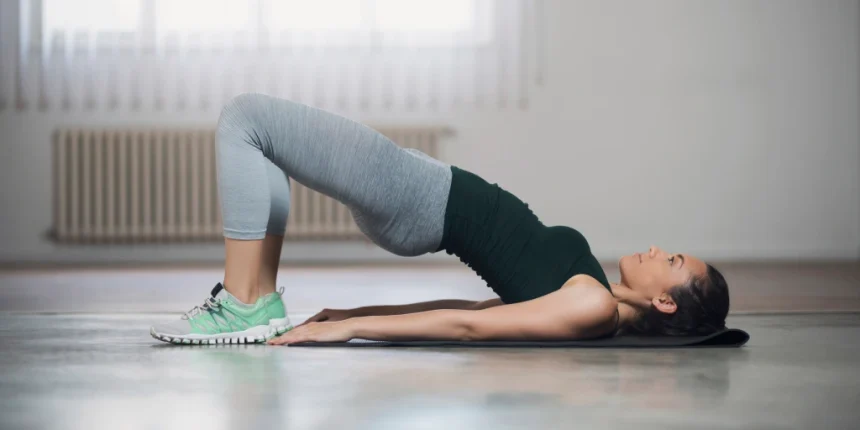
Over the past decade, fitness has gone through countless waves of trends. We’ve seen the rise of HIIT classes, the explosion of boutique studios, and even virtual reality workouts. Yet one shift that continues to grow isn’t a passing craze: the focus on glute training. Far from being just an aesthetic goal, strengthening the glutes has become central to building a balanced, resilient body.
Why the Glutes Matter More Than You Think
Often called the “powerhouse” of the body, the glutes are the largest muscle group we have. They stabilize the hips, support posture, and provide the strength behind everyday movements like walking, climbing stairs, or standing from a chair. Weak glutes, on the other hand, are linked to lower back pain, poor balance, and even a higher risk of injury during exercise.
As people spend more time sitting, whether working at a desk or driving, glute activation becomes even more important. Sitting for hours at the time causes hip flexors to tighten or the glute muscles to weaken, creating an imbalance that contributes to the aches and stiffness. Unsurprisingly, more fitness enthusiasts and physiotherapists are emphasizing glute engagement as a foundation for health and longevity.
The Shift Toward At-Home Glute Workouts
The pandemic accelerated a shift already underway: people investing in home fitness equipment. Even as gyms reopened, many stuck with the convenience of exercising at home. This has sparked innovation in how we train major muscle groups, particularly the glutes.
While traditional squats, lunges, and deadlifts are effective, they require either weights, machines, or space. That’s why equipment designed specifically for glute training has gained traction. For instance, The DB Method created a home fitness machine engineered to put users into the perfect squat form while targeting the glutes. Unlike free squats, which often shift pressure to the quads or knees, this design ensures consistent glute activation, making it a favorite for those seeking results without straining joints.
Benefits That Go Beyond Aesthetics
Yes, glute training helps sculpt a toned lower body, but its benefits reach far wider. Strong glutes can:
- Improve posture: By supporting the pelvis and spine.
- Boost athletic performance: Explosive movements like sprinting and jumping rely on glute power.
- Protect the joints: Reducing stress on knees and hips during activity.
- Enhance daily living: From carrying groceries to bending down, stronger glutes make everyday movements easier.
This functionality-first perspective is why athletes, physical therapists, and everyday fitness fans alike are prioritizing glute work.
How to Incorporate Glute Training Into Your Routine
Building stronger glutes doesn’t require a complete overhaul of your fitness plan. Instead, it’s about consistency and smart integration. Here are some approaches:
- Bodyweight Basics – Squats, hip thrusts, and bridges are excellent starting points.
- Resistance Bands – Affordable and versatile, bands add resistance to exercises like kickbacks or clamshells, helping fire up the glute medius.
- Targeted Equipment – Tools like The DB Method machine streamline proper squat mechanics while ensuring the glutes, not just the quad,s do the heavy lifting.
- Mobility and Stretching – Balance glute work with hip flexor stretches to avoid tightness and maintain range of motion.
Glute Training and Mental Health
Another often the overlooked benefit of lower-body training is mental boost. Exercise in general is known to improve mood through the release of endorphins, but lower-body workouts are particularly demanding on large muscle groups, leading to a greater release of these “feel-good” chemicals. Many people also report increased confidence from both the physical and aesthetic results of glute strengthening.
The Future of Fitness Is Functional
Fitness will always evolve, but some principles never change: strength, balance, and longevity matter more than fleeting trends. Glute training sits at the intersection of these priorities. It’s not about building the “perfect body” but about supporting an active, pain-free lifestyle at any age.
Whether you’re a runner hoping to reduce knee pain, a parent carrying kids up the stairs, or simply someone who wants to move better, strengthening your glutes is a powerful step toward overall health. And with modern home workout solutions, it’s easier than ever to integrate into your daily life.
Final Thoughts
Glute training is no longer a niche fitness trend; it’s a cornerstone of well-rounded health. By focusing on this vital muscle group, people are not just chasing aesthetic goals but investing in stronger bodies and improved quality of life. With innovative tools making targeted training accessible at home, there’s never been a better time to join the movement.
