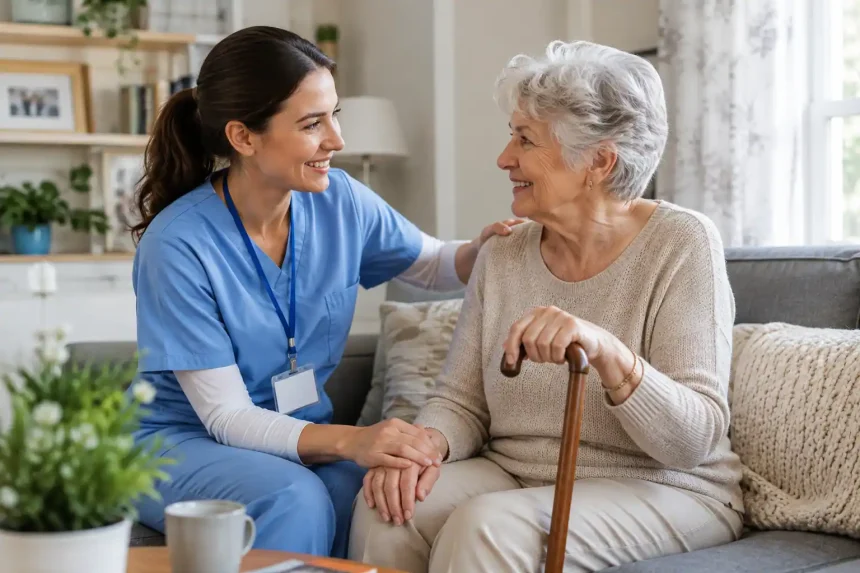
As more people look for ways to remain comfortable and independent in their own homes, home-based care has become an important part of everyday life. For older adults, people living with disabilities, and individuals recovering from illness or surgery, having reliable support at home can make daily routines easier and more manageable.
A home health aide can provide practical assistance while also offering companionship and helping clients maintain a sense of independence. Although the exact responsibilities can vary depending on the client, employer, care plan, and local regulations, the role often combines personal support, household assistance, observation, and communication with other members of a care team.
Understanding what home health aides do can help families make better decisions when considering care options for themselves or a loved one.
What Is a Home Health Aide?
A home health aide is a care professional who assists people with everyday activities and, in certain circumstances, basic health-related tasks under appropriate supervision.
Home health aides commonly work in clients’ homes, although some may work in group homes, residential settings, or community-based programmes. The U.S. Bureau of Labor Statistics explains that these workers may assist people with disabilities, chronic illnesses, and older adults who need help with daily living activities.
The goal is generally not to replace a doctor or nurse. Instead, a home health aide can provide practical support that helps a person remain safe, comfortable, and engaged with everyday life.
What Does a Home Health Aide Do?
The responsibilities of a home health aide depend on the individual receiving care and the requirements of the employer or care programme.
Common responsibilities may include helping with:
- Bathing and personal hygiene
- Dressing and grooming
- Eating and meal preparation
- Mobility and getting around the home
- Light housekeeping
- Laundry
- Shopping for groceries
- Organising appointments
- Transportation arrangements
- Companionship and social activities
According to the U.S. Bureau of Labor Statistics, home health and personal care aides may also monitor a client’s condition and report changes to a supervisor or case manager.
This makes communication an important part of the role.
Personal Care and Daily Living Support
One of the most valuable aspects of home care is assistance with activities that may have become difficult because of age, illness, disability, or recovery.
A home health aide may help a client get ready in the morning, prepare meals, move safely around the home, or complete basic personal-care routines.
For some people, this assistance can make the difference between needing extensive residential support and continuing to live at home.
The type and level of assistance should always reflect the person’s needs and the care plan established by the appropriate professionals.
Companionship Matters Too
Home care is not only about physical tasks.
Older adults or people who spend much of their time at home can sometimes experience isolation. A home health aide may provide conversation, encouragement, and social interaction as part of their work.
Simple activities such as talking over a cup of tea, reading, helping with hobbies, or accompanying a client on an appropriate outing can make the day feel more engaging.
Companionship can also help clients maintain routines and remain connected with their communities.
How Home Health Aides Support Families
A home health aide can also provide valuable support to family members.
Relatives often want to help an ageing parent, spouse, or other family member, but work, childcare, travel, and other responsibilities can make full-time caregiving difficult.
Having trained assistance can provide families with additional support while allowing them to remain involved in important decisions and relationships.
Home care services can include personal care, household tasks, cooking, and other assistance that allows a person to remain in their own home.
What Skills Does a Home Health Aide Need?
Being a successful home health aide requires more than simply completing a list of tasks.
Compassion
Clients may be dealing with physical limitations, illness, or major changes in their independence. A compassionate approach can help them feel respected and comfortable.
Communication
Clear communication is essential. Aides need to understand instructions, listen to clients, and communicate relevant changes to supervisors, family members, or healthcare professionals when appropriate.
Reliability
Families need to know that a caregiver will arrive when expected and complete agreed responsibilities consistently.
Patience
Some daily activities can take longer for people with mobility or cognitive challenges. Patience allows an aide to provide assistance without unnecessarily rushing the client.
Physical Stamina
The role can involve standing, walking, assisting with movement, and other physically demanding activities. The Bureau of Labor Statistics lists physical stamina among the important qualities for home health and personal care aides.
Does a Home Health Aide Provide Medical Care?
This is an important distinction for families.
Home health aides are not substitutes for physicians, registered nurses, or other licensed healthcare professionals. Their permitted health-related duties can vary according to state regulations, employer requirements, training, and the client’s care plan.
The U.S. Bureau of Labor Statistics notes that, under the direction of a nurse or other healthcare practitioner, home health aides may in some circumstances perform tasks such as checking vital signs or assisting with medications.
Families should therefore ask a care provider exactly which services are included before arranging care.
Training and Qualifications
Requirements for becoming a home health aide vary depending on the state and the type of employer.
The U.S. Bureau of Labor Statistics states that home health and personal care aides typically need a high school diploma or equivalent, although some positions may not require one. It also notes that short-term training is common and that some workers employed by certified home health or hospice agencies may need formal training and a standardised test.
Some positions may also require background checks, competency assessments, first-aid or CPR training, or other credentials.
Because requirements differ between states, anyone considering the profession should check the rules that apply in their location.
Choosing a Home Health Aide for a Family Member
Finding the right person requires more than checking qualifications.
Families should consider the client’s personality, daily routine, physical needs, preferences, and level of assistance required.
Ask About Experience
Ask whether the aide has experience working with people who have similar needs.
For example, supporting someone with mobility limitations may require different practical skills from caring for a person who primarily needs companionship and help with household tasks.
Discuss Responsibilities Clearly
Before care begins, clarify what the aide is expected to do.
This can include personal care, meal preparation, housekeeping, transportation, companionship, or other agreed responsibilities.
Clear expectations can prevent misunderstandings later.
Consider Personality and Compatibility
The client may spend many hours with the aide, so personality matters.
A respectful, patient, and friendly caregiver may help create a much more comfortable experience than someone who has suitable qualifications but is a poor personal match.
Ask About Scheduling
Home care schedules can vary considerably. Some aides work full time, while others work part time or provide care during evenings or weekends.
Families should discuss schedules in advance and understand what happens if the regular caregiver is unavailable.
Home Health Aide vs. Personal Care Aide
The terms “home health aide” and “personal care aide” are sometimes used interchangeably, but the precise responsibilities can differ.
Personal care aides generally focus on non-medical assistance such as companionship, cooking, cleaning, and helping with daily activities.
Home health aides may have additional health-related responsibilities depending on their training, employer, supervision, and local regulations.
The exact distinction can therefore depend on the state and care provider rather than simply the job title.
Why Demand for Home Health Aides Is Growing
The demand for home-based assistance is influenced by several factors, including an ageing population and increasing interest in home- and community-based care.
The U.S. Bureau of Labor Statistics projects 17% employment growth for home health and personal care aides between 2024 and 2034, considerably faster than the average for all occupations. It also projects hundreds of thousands of openings annually over that period.
This reflects the continuing need for people who can provide practical support to individuals who want to remain active and independent in their communities.
The Importance of Respect and Independence
Good home care should not take away a person’s independence.
Instead, an effective home health aide can provide just enough assistance to help a client participate in everyday activities safely and comfortably.
For example, rather than doing every household task automatically, an aide may encourage a client to participate in activities that they can safely manage themselves.
This approach can help preserve dignity and give clients a greater sense of control over their daily routines.
Final Thoughts
A home health aide can provide valuable support to people who need assistance with everyday life while allowing them to remain in familiar surroundings.
From personal care and meal preparation to light housekeeping, mobility support, and companionship, the role can cover a wide range of practical needs. However, the exact duties and qualifications vary by location, employer, training, and individual care requirements.
For families, choosing the right aide means looking beyond basic qualifications. Experience, communication, reliability, personality, and respect for the client’s independence are all important considerations.
As home-based care continues to grow, home health aides will remain an important part of the support network helping many people maintain comfort, dignity, and independence at home.
Author Bio
A health and lifestyle writer covering home care, ageing, wellness, family support, and practical advice for modern everyday living.