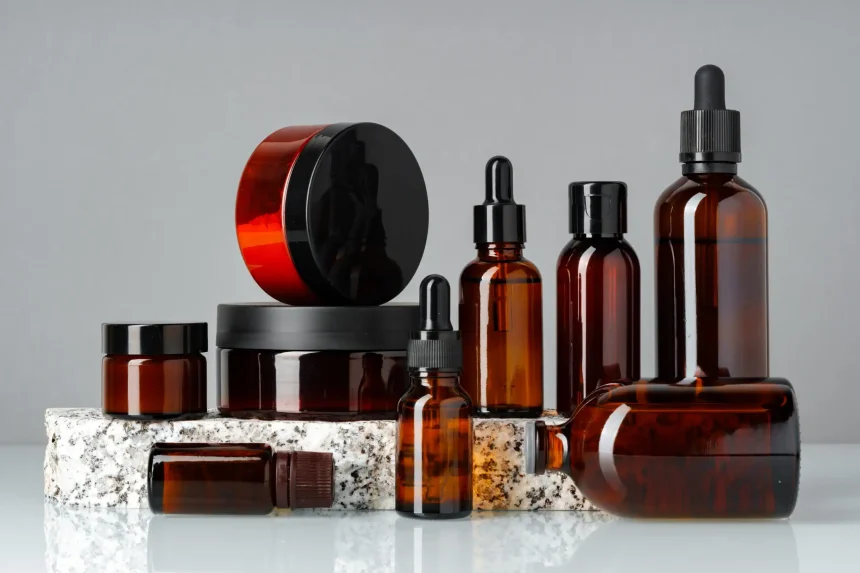
In today’s competitive marketplace, businesses need more than a quality product to stand out. Consumers are exposed to countless brands every day, both in physical stores and online. As a result, companies are looking for new ways to capture attention, create memorable experiences, and build stronger relationships with customers.
One of the most effective tools for achieving these goals is custom packaging. Packaging is often the first physical interaction a customer has with a product, making it an important part of the overall brand experience. From colors and materials to logos and container designs, custom packaging helps businesses communicate their identity while influencing purchasing decisions.
When used strategically, custom packaging can strengthen brand recognition, improve customer perception, and contribute to long-term sales growth.
What Is Custom Packaging?
Custom packaging refers to packaging that is specifically designed to reflect a company’s brand identity and product requirements.
Businesses can customize various aspects of their packaging, including:
- Brand colors
- Logos and graphics
- Labels and messaging
- Container shapes and sizes
- Materials and finishes
- Product inserts and accessories
Custom packaging can be used across a wide range of industries, including cosmetics, personal care, wellness, pharmaceuticals, food products, and household goods.
The Role of Packaging in Brand Recognition
Brand recognition is the ability of consumers to identify a company based on visual elements such as colors, logos, typography, and design styles. Packaging plays a major role in reinforcing these elements and helping customers remember a brand.
Creating a Consistent Brand Identity
Consistency is one of the foundations of successful branding. When customers repeatedly see the same visual elements across products, websites, advertisements, and social media channels, they begin to recognize and trust the brand.
Custom packaging helps maintain this consistency by extending brand identity directly to the product itself. Whether a customer purchases online or in-store, the packaging reinforces the same message and visual style.
Over time, this consistency increases familiarity and makes it easier for customers to remember the brand when making future purchasing decisions.
Making Products More Memorable
Consumers often make purchasing decisions based on visual impressions. Products with distinctive packaging are more likely to attract attention and remain memorable after the purchase.
A unique bottle shape, premium label design, or carefully selected color scheme can help customers associate specific visual cues with a brand. The more memorable the packaging, the stronger the brand recognition becomes.
Standing Out in Competitive Markets
Retail shelves and online marketplaces are crowded with similar products competing for attention. Custom packaging provides an opportunity to differentiate products from competitors.
Distinctive packaging can capture interest within seconds, encouraging consumers to learn more about the product. Even in highly competitive industries, thoughtful packaging design can create a noticeable advantage.
How Custom Packaging Influences Customer Perception
Packaging does more than protect products during transportation. It also shapes how consumers perceive a brand and its products.
Building Trust and Credibility
Professional packaging often signals professionalism and reliability. When consumers receive products in well-designed packaging, they are more likely to view the brand as trustworthy.
On the other hand, poorly designed or generic packaging may create doubts about product quality. Customers frequently associate the quality of packaging with the quality of the product inside.
Investing in custom packaging helps businesses create a positive first impression that supports customer confidence.
Communicating Product Value
Packaging can influence how consumers perceive the value of a product. Premium materials, elegant finishes, and thoughtful design details often make products appear more valuable.
This is especially important in industries such as cosmetics, skincare, wellness, and luxury goods, where presentation plays a significant role in purchasing decisions.
By aligning packaging with customer expectations, businesses can strengthen the perceived value of their products and justify premium pricing strategies.
Enhancing the Customer Experience
The customer experience extends beyond the product itself. Packaging contributes to the overall journey from purchase to product use.
Features such as easy-to-open containers, protective inserts, clear labeling, and attractive presentation can improve satisfaction and create a more enjoyable experience.
Customers who enjoy the experience of receiving and opening a product are more likely to remember the brand positively.
Ways Custom Packaging Can Increase Sales
Custom packaging is not only a branding tool. It can also support business growth by influencing consumer behavior and purchasing decisions.
Attracting New Customers
Eye-catching packaging can help products gain attention among potential buyers. Whether displayed on store shelves or featured in online product images, attractive packaging can encourage consumers to explore a product further.
A strong first impression often increases the likelihood of a purchase, particularly for customers who are unfamiliar with the brand.
Encouraging Repeat Purchases
Consistent packaging helps reinforce brand familiarity. When customers recognize packaging they have seen before, they are more likely to feel comfortable purchasing from the same brand again.
This familiarity can contribute to stronger customer loyalty and increased repeat business over time.
Supporting Word-of-Mouth Marketing
Consumers frequently share products they find visually appealing. Attractive packaging can encourage customers to post photos and videos on social media platforms, creating additional exposure for the brand.
This type of user-generated content acts as a form of organic marketing and can introduce products to new audiences without additional advertising costs.
Packaging Trends Businesses Should Watch
Consumer preferences continue to evolve, and packaging trends play an important role in shaping purchasing behavior.
Sustainable Packaging Solutions
Environmental concerns are influencing packaging decisions across many industries. Consumers increasingly prefer brands that use recyclable, reusable, or environmentally responsible materials.
Businesses that adopt sustainable packaging practices can improve their reputation while meeting growing consumer expectations.
Minimalist Design Approaches
Simple, clean packaging designs continue to gain popularity. Minimalist packaging often communicates professionalism and quality while making products easier to recognize.
By focusing on essential design elements, brands can create a modern appearance that resonates with many consumers.
Personalized Packaging Experiences
Personalization is becoming an important part of customer engagement. Customized labels, limited-edition designs, and seasonal packaging can create a sense of exclusivity and excitement.
These strategies help brands build stronger emotional connections with customers.
Choosing the Right Custom Packaging Strategy
Effective packaging requires more than attractive visuals. Businesses should consider several factors when developing a packaging strategy.
First, it is important to understand the target audience. Different customer groups have different preferences regarding colors, materials, functionality, and presentation.
Second, packaging should align with the product’s purpose and industry requirements. Containers must provide adequate protection while remaining convenient for customers to use.
Third, businesses should balance aesthetics with practicality. Attractive packaging is important, but usability and durability should never be overlooked.
Finally, working with experienced packaging suppliers can help businesses identify solutions that support both branding objectives and operational requirements.
Common Packaging Mistakes to Avoid
While custom packaging offers many benefits, certain mistakes can reduce its effectiveness.
Common issues include:
- Overcomplicated designs that confuse customers
- Inconsistent branding across product lines
- Packaging that prioritizes appearance over functionality
- Poor material choices that fail to protect products
- Ignoring customer preferences and expectations
Avoiding these mistakes helps ensure that packaging supports both branding and sales goals.
Conclusion
Custom packaging has become an essential part of modern brand building. Beyond protecting products, it serves as a powerful marketing tool that influences customer perception, strengthens brand recognition, and encourages purchasing decisions.
Businesses that invest in thoughtful packaging design can create stronger connections with customers, stand out in competitive markets, and support long-term growth. As consumer expectations continue to evolve, custom packaging will remain a valuable asset for companies seeking to improve visibility, build trust, and increase sales.