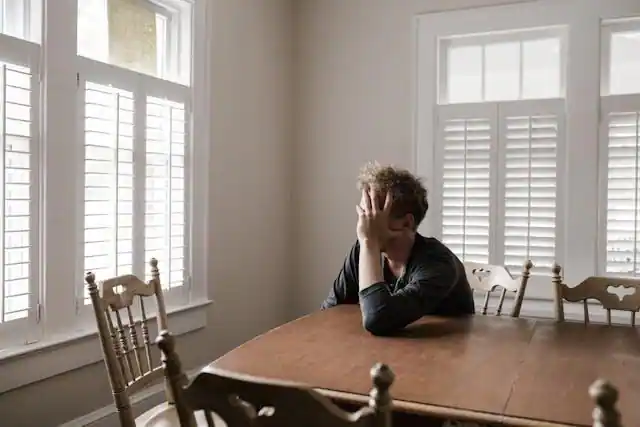
Twenty years ago, getting help for a mental health concern often meant choosing between a weekly therapy appointment and an inpatient hospital stay. There was very little in between. People who needed something more than weekly support but less than a hospital admission often slipped through the cracks. Mental health care today looks dramatically different, and the change has been a quiet revolution.
Therapy is more accessible. Treatment options have multiplied. Specialized programs now exist for nearly every population and every level of need. Stigma is starting to lose its grip, and the conversation around mental health has moved from whispers in private offices to honest discussions at dinner tables, in classrooms, and on company calls.
A New Era of Personalized Mental Health Care
The biggest shift in the last two decades has been the move away from a one-size-fits-all model. Care today is far more personalized, with treatment plans built around the specific person rather than a generic protocol. Therapists, doctors, and treatment programs increasingly recognize that what works for a college student in their first year of depression looks very different from what works for a parent navigating postpartum anxiety, or a veteran living with trauma, or a senior leader hiding burnout behind a packed calendar.
This personalization has also fueled the rise of specialized programs designed for specific populations. From trauma-focused care to programs for new mothers, from teen-focused intensive outpatient programs to luxury executive rehab for senior leaders who need privacy and flexibility, the field has finally caught up with the reality that people enter treatment from very different lives. The wider the menu of options, the more likely it is that a person will find care that actually fits their circumstances rather than just their diagnosis.
From Crisis-Only Care to a Continuum
Older models of mental health care often focused almost entirely on crisis. People received intensive support when they were in immediate danger, and then were expected to either be “fixed” or simply manage on their own. Today, most reputable systems offer a continuum of care that allows people to step up or step down as their needs change.
This continuum typically includes:
- Standard outpatient therapy, often once a week
- Intensive outpatient programs (IOPs), with around nine to twelve hours of treatment a week
- Partial hospitalization programs (PHPs), which run most days for several hours
- Residential or inpatient treatment for those who need full-time support
- Aftercare programs, including support groups, alumni networks, and continued therapy
This kind of structure means people are not forced to choose between doing too little and doing too much. They can find the level of care that actually matches the moment they are in.
Therapy Itself Has Changed
Therapy has evolved in major ways, too. Cognitive behavioral therapy (CBT) revolutionized care in the 1980s and 1990s, and newer approaches have continued to expand what therapy can do. Dialectical behavior therapy (DBT) brought powerful tools for emotion regulation and distress tolerance. Acceptance and commitment therapy (ACT) introduced new ways of relating to difficult thoughts and feelings. EMDR and other trauma-focused therapies have given people genuine relief from traumatic memories that older talk therapy often left untouched.
These approaches are now widely available, and many clinicians are trained in several of them, allowing them to draw from different toolkits depending on what a particular client needs.
Medication Has a Better Role to Play
Medication is still a sensitive topic for many people, and it should be. But the conversation around it has matured. Medication is no longer pitched as a cure-all or a sign of weakness. It is increasingly framed as one tool among many, helpful for some people and unnecessary for others. Modern psychiatry tends to use medication strategically, often alongside therapy and lifestyle support, and with closer monitoring than was common a generation ago.
This shift, paired with growing awareness of side effects and the importance of informed consent, has made medication decisions feel less like a leap and more like a thoughtful conversation.
The Wellness Pieces Now Have a Seat at the Table
For decades, the role of sleep, nutrition, movement, and community in mental health was treated almost as a side note. That has changed. Research now consistently supports what many people felt intuitively all along: how we live shapes how we feel. Most modern treatment plans now include attention to:
- Sleep, both quality and consistency
- Nutrition and how it affects mood and energy
- Movement and exercise as direct supports for mental health
- Mindfulness, breathwork, and stress regulation practices
- Connection, community, and social support
These pieces do not replace evidence-based treatment, but they amplify it. People who pay attention to these basics often see faster, more sustainable improvement when they pair them with quality clinical care.
According to the National Institute of Mental Health (NIMH), mental health conditions are common, treatable, and often best addressed through a combination of psychotherapy, medication when appropriate, and supportive lifestyle changes. Treatment that integrates all three tends to produce the strongest outcomes.
Stigma Is Loosening, But It Has Not Disappeared
Honest conversations about mental health are far more common than they used to be. Public figures, athletes, and executives have spoken openly about their struggles, and language around therapy and medication has shifted in important ways. That progress is real, and it has helped countless people reach out for support sooner than they otherwise would have.
Stigma still shows up, though, especially in workplaces, in older generations, and in some cultural communities. The work of normalizing mental health care is far from finished. The good news is that every person who shares their story or seeks help openly makes that path a little easier for the next person.
How to Find Care That Actually Fits You
With more options than ever, choosing the right kind of care can feel overwhelming. A few principles tend to guide a good decision:
- Start by being honest about how much support you actually need, not just what feels manageable
- Look for licensed clinicians and accredited programs
- Ask about evidence-based therapies and how they are delivered
- Pay attention to fit. The relationship with a therapist or program team matters enormously
- Plan for continuity. The most effective care usually includes a clear plan for what happens next
It is also okay, and often necessary, to try more than one therapist or program before finding the right one. Mental health care is not a one-shot decision. It is an ongoing process of finding what works for you over time.
A Better Future for Mental Health Care
The mental health field still has plenty of room to grow. Access remains uneven, costs are still a barrier for many, and rural areas often lack enough providers. But the trajectory is clear. Care is becoming more personalized, more accessible, and more humane. People have more options than they did a generation ago, and the next generation will likely have even more.
If you have been considering reaching out, the good news is that the field has changed in ways that genuinely benefit you. Whether that means starting with a therapist, joining a support group, exploring a structured program, or simply having an honest conversation with your primary care provider, the path forward is wider and clearer than it has ever been.