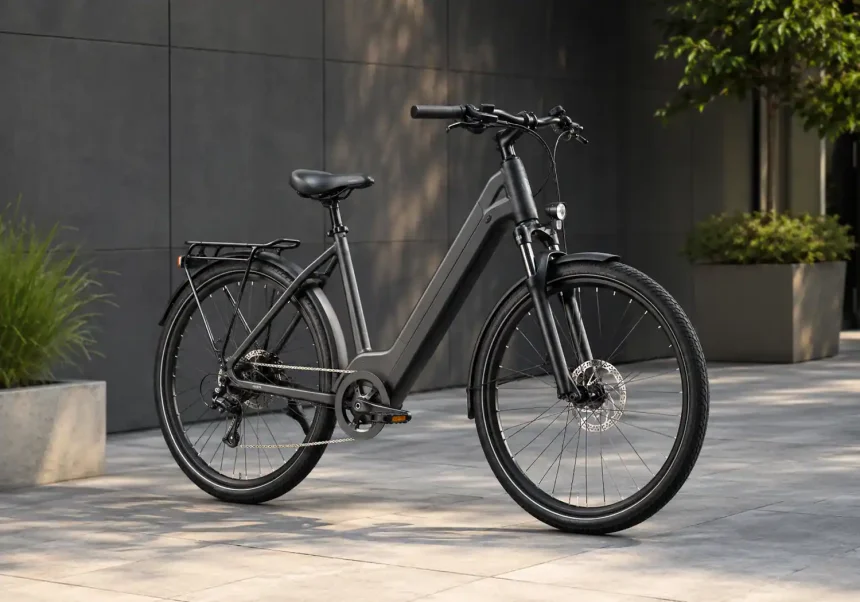
A commuter ebike is designed for reliable, efficient daily transport. Unlike leisure or mountain models, a commuter ebike prioritizes upright comfort, practical accessories, traffic agility, and low running costs. Choosing the right one means balancing motor type, battery range, frame geometry, maintenance needs, safety features, and total cost of ownership.
Why It Matters for Daily Travel
- Predictable door-to-door timing, even in congestion
- Reduced sweat and fatigue compared to analog bikes
- Lower cost-per-mile than ride-hailing or driving
- Easier parking and last‑mile flexibility
Match the eBike to Your Commute
Every commute is different. Map your route length, elevation, surfaces, storage options, and charging access, then choose a commuter ebike that fits.
Distance and Elevation
- Under 10 miles round-trip: a smaller battery (300–400 Wh) and a modest motor are usually enough.
- 10–25 miles round-trip: consider 400–600 Wh for comfortable range without daily charging.
- Hilly routes: prioritize higher torque motors (60–85 Nm) or mid-drive systems for efficient climbing.
Terrain and Weather
- Smooth pavement: 700c or 27.5″ wheels with 38–50 mm tires roll fast and absorb bumps.
- Mixed paths or potholes: wider 50–60 mm tires and front suspension or flexing seatposts increase comfort.
- Wet climates: full-coverage fenders, sealed bearings, anti-rust chains, and strong lights are essential.
Storage and Security
- Limited indoor space: choose a step-through frame for easy handling, or a folding commuter ebike for apartments and transit.
- Street locking: use frames with bolted-on components, internal cabling, and frame-lock options; budget for a high-quality U-lock + cable.
Choose Your Motor System
Motor choice shapes how the bike feels, climbs, and handles.
Hub-Drive vs. Mid-Drive
- Rear hub-drive: simple, affordable, and good for flat to rolling routes. Often paired with cadence sensors that deliver a “scooter-like” feel.
- Mid-drive: places the motor at the crank for better weight distribution and hill-climbing efficiency. Often uses torque sensors for natural response, but costs more and needs better drivetrain care.
Power and Torque
- For city use, 250–500 W nominal is common and legal in many regions.
- Torque (Nm) matters more than watts for hills and starts. Look for 40–85 Nm depending on terrain and rider load.
Assistance Modes and Sensing
- Cadence sensors: on/off feel, simple, great for steady flats.
- Torque sensors: proportional assistance, smoother in traffic, ideal for variable terrain.
- Walk-assist: helpful on ramps and stairs.
Battery and Range Realities
Battery capacity is measured in watt-hours (Wh). Real-world range depends on rider weight, wind, terrain, temperature, tire pressure, and assist level.
Smart Sizing
- Short commutes: 300–400 Wh to keep weight and cost down.
- Medium to long: 500–700 Wh for fewer charge cycles per week.
- Removable battery packs: easier charging in apartments and better theft deterrence.
Charging and Longevity
- Typical charge time: 3–6 hours from empty using a 2–4 A charger.
- Lithium batteries last 500–1,000 full cycles; partial charges are fine. Avoid storing fully depleted or at high heat.
- Check for UL/EN certifications and quality BMS (battery management systems) for safety.
Fit, Comfort, and Control
Comfort equals consistency. If a bike fits well, you’ll ride it more.
Frame Geometry
- Upright or relaxed geometry reduces wrist and back strain.
- Step-through frames simplify mounting in work clothes and improve stop‑and‑go confidence.
Contact Points
- Handlebars: swept-back bars support neutral wrists; adjustable stems fine-tune reach.
- Saddle: a medium-firm commuter saddle prevents pressure points; consider suspension posts for rough streets.
- Pedals: grippy platforms or mini-pins work well with office shoes.
Brakes and Drivetrain
- Hydraulic disc brakes: strong, low-effort stopping in all weather.
- 8–11 speed cassettes or internal gear hubs (IGH): IGH with belt drives is low-maintenance and clean; chains with derailleurs are cheaper and widely serviceable.
Safety and Visibility First
Integrated Lighting
- Bright, hard‑wired front and rear lights that stay on in all modes are key for dusk and dawn.
- Daytime running modes increase conspicuity in traffic.
Tires and Traction
- Puncture‑resistant tires save time; add reflective sidewalls for visibility.
- Keep pressures appropriate to width (e.g., 45–60 psi for 45–50 mm urban tires) for grip and comfort.
Mirrors and Bells
- A small bar-end mirror helps with lane changes.
- A friendly bell signals presence on shared paths.
Commuter-Ready Accessories
Must‑Haves
- Full fenders, rear rack rated 20–25 kg, sturdy kickstand.
- Locking skewers or bolts for wheels and seatpost.
- Frame mounts for a high-quality U-lock.
Nice‑to‑Haves
- Frame bag or panniers to keep weight low and off your back.
- Integrated frame lock for quick stops.
- Phone mount and USB charging for navigation.
Maintenance and Ownership Costs
Routine Care
- Clean and lube the chain (or wipe a belt) every 150–300 miles depending on weather.
- Check brake pads, rotor rub, and tire wear monthly.
- Firmware updates for smart systems can improve range and shifting.
Service Access
- Favor brands with local dealer networks or responsive mobile service.
- Look for common standards: 12 mm thru-axles, universal brake pads, standard battery connectors.
Total Cost of Ownership
- Budget for consumables: tires, tubes, pads, chain or belt, and a yearly tune-up.
- Electricity cost is minimal; insurance or registration may be available in some regions.
Test Ride Checklist
- Start/stop feel in traffic and low-speed stability
- Hill start torque and smoothness
- Brake modulation and emergency stop distance
- Fit at saddle, bars, and pedals with your actual shoes and bag
- Noise levels from motor and drivetrain
- Lift-and-carry weight for stairs or racks
Quick Buying Paths by Scenario
Short, Flat Urban Commute
- Rear-hub, 300–400 Wh battery, 40–50 mm tires, integrated lights, fenders, and a rack.
Hilly or Longer Suburban Commute
- Mid-drive with 60–85 Nm torque, 500–700 Wh battery, hydraulic discs, wider tires, and robust racks/panniers.
Multi‑Modal with Transit or Stairs
- Compact or folding commuter ebike, removable battery, 20–24″ wheels, and quick-latch hinges.
Final Tips to Love Your Ride
- Choose the simplest bike that fully meets your needs; complexity adds cost and maintenance.
- Prioritize fit and safety features over marginal motor power.
- Test multiple bikes across the same route section to feel real differences.
- Set reminders for maintenance and charge before you sleep for a full battery every morning.
With the right commuter ebike dialed to your route, you’ll arrive fresh, on time, and ready for the day.