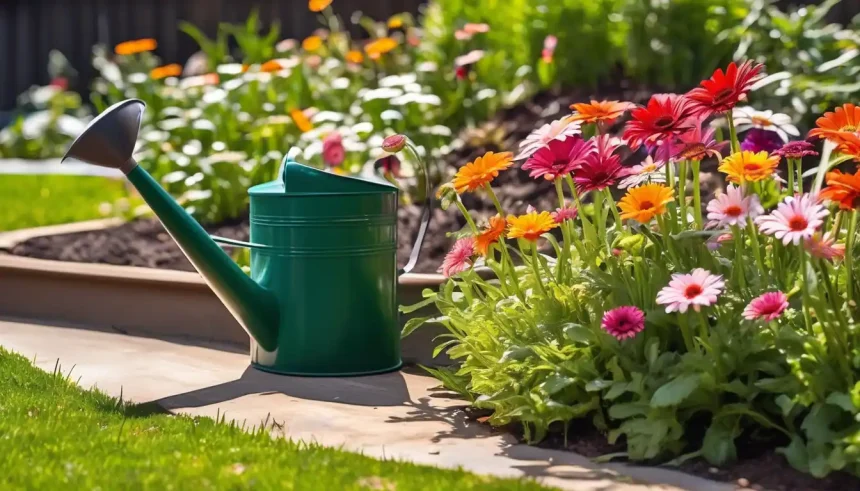
Growing flowering daisy plants at home is surprisingly simple—and very rewarding. Whether you’re aiming for classic Shasta daisies, cheerful Gerbera daisies, or wild-looking Oxeye daisies, the fundamentals are similar: give them generous light, well-draining soil, and consistent but moderate moisture. In this guide, I’ll walk you through a practical, search-friendly approach to planting, nurturing, and enjoying long-lasting blooms.
Key Takeaways
- Daisies thrive in full sun (6–8 hours daily) and well-draining, slightly acidic to neutral soil.
- Water deeply but infrequently; let the top 1–2 inches of soil dry between waterings.
- Deadhead spent blooms to extend flowering and keep plants tidy.
- Feed lightly during the growing season and divide clumps every 2–3 years.
Choosing the Right Daisy for Your Space
Popular Types of Flowering Daisy Plants
- Shasta Daisy (Leucanthemum × superbum): Classic white petals with yellow centers; sturdy perennials, great for borders.
- Gerbera Daisy (Gerbera jamesonii): Bold, vivid colors; often grown as annuals or indoor/outdoor container plants.
- Oxeye Daisy (Leucanthemum vulgare): Hardy and carefree; can naturalize—best for meadows and cottage gardens.
- African Daisy (Osteospermum spp.): Drought-tolerant, daisy-like blooms with unique hues; excellent for containers in sunny spots.
- Marguerite Daisy (Argyranthemum frutescens): Bushy habit with abundant flowers; thrives in cooler summers.
How to Match Varieties to Conditions
- For hot, sunny borders: Shasta and African daisies hold up best.
- For containers and patios: Gerbera and Marguerite daisies offer showy color and manageable size.
- For naturalized or low-maintenance areas: Oxeye daisies spread easily but may be aggressive—check local guidance.
Planting: Soil, Light, and Timing
Site and Soil Preparation
- Light: Aim for 6–8 hours of direct sun daily. In warm climates, provide light afternoon shade for Gerberas.
- Soil: Well-draining is non-negotiable. Mix in compost and coarse sand or perlite to prevent soggy roots.
- pH: Target 6.0–7.0. If soil is too acidic, add garden lime; if too alkaline, incorporate peat moss or elemental sulfur.
When and How to Plant
- Timing: Plant perennials in spring or early fall so roots establish before temperature extremes. Plant annuals after the last frost.
- Spacing: Give each plant 12–24 inches, depending on the mature spread listed on the tag.
- Planting depth: Set crowns level with the soil surface. Backfill gently and water to settle.
Watering and Feeding for Robust Blooms
Smart Watering
- Establishment phase: Water 2–3 times weekly for the first month, depending on weather.
- Mature phase: Water deeply once weekly; allow the top 1–2 inches of soil to dry between waterings.
- Container note: Pots dry faster; check moisture with your finger and water when the top inch is dry.
Fertilizer Strategy
- Base nutrition: Work compost into the bed at planting.
- During growth: Feed every 4–6 weeks with a balanced, slow-release fertilizer (e.g., 10-10-10). Avoid overfeeding nitrogen—it pushes leaves over flowers.
- Organic boost: Liquid seaweed or fish emulsion every 3–4 weeks can enhance bloom vigor.
Pruning, Deadheading, and Division
Keep Flowers Coming
- Deadhead: Snip spent blooms just above the next set of leaves. This redirects energy into new buds.
- Pinch and shape: In early summer, lightly pinch tips to encourage bushier growth on Marguerite and African daisies.
Divide for Health and More Plants
- Timing: Divide clumping perennials like Shasta every 2–3 years in early spring or fall.
- Method: Lift the clump, slice into sections with at least 2–3 shoots each, replant, and water well.
Sun, Heat, and Weather Protection
Heat and Drought Tactics
- Mulch: Apply a 1–2 inch layer of organic mulch to reduce evaporation and moderate soil temperature.
- Shade cloth: In heat waves, temporary shade cloth during peak afternoon sun keeps blooms vibrant.
Cold and Frost
- Overwintering perennials: After the first frost, cut stems back to 2–3 inches and mulch crowns with straw or shredded leaves.
- Tender types: Move containers indoors before frost; provide bright light and reduce watering.
Pest and Disease Prevention
Common Issues and Fixes
- Aphids and whiteflies: Rinse with a strong water spray; follow with insecticidal soap if needed.
- Powdery mildew: Improve airflow, water at the base, and avoid evening overhead watering.
- Root rot: The usual culprit is soggy soil—improve drainage and reduce frequency.
- Slugs and snails: Use beer traps, copper tape for pots, or iron phosphate baits.
Growing in Containers Indoors and Out
Container Setup
- Pot size: 10–12 inch diameter for individual plants; larger for mixed plantings.
- Mix: Use a high-quality potting mix with perlite or pumice for drainage.
- Drainage holes: Essential; add a mesh over holes to prevent soil loss, not rocks.
Indoor Care for Gerbera Daisies
- Light: Bright, indirect light or a south-facing window with sheer curtain.
- Water: Keep evenly moist but never soggy; empty saucers after watering.
- Air: Good airflow helps prevent fungal issues; avoid cold drafts.
Propagation: Seeds, Cuttings, and Division
From Seeds
- Start indoors 6–8 weeks before last frost. Maintain 65–70°F and bright light.
- Transplant after true leaves form and harden off for a week before planting out.
From Cuttings and Division
- Softwood cuttings: Take 3–4 inch non-flowering tips from Marguerite or African daisies; root in moist, sterile mix.
- Division: Best for Shasta daisies; fast, reliable, and clones the parent.
Bloom Maximizers and Troubleshooting
Quick Diagnostics
- Lots of leaves, few flowers: Too much nitrogen or insufficient sun.
- Floppy stems: Not enough light; consider staking or moving to a sunnier spot.
- Yellowing leaves: Overwatering or poor drainage; check roots for rot.
Simple Upgrades
- Reflective mulch or light-colored gravel boosts light to lower leaves.
- Companion plants like lavender or salvia attract pollinators and look great.
Seasonal Care Calendar (General)
Spring
- Plant, divide, and feed lightly. Start seeds indoors if desired.
Summer
- Deadhead weekly, water deeply, and monitor for pests.
Fall
- Divide large clumps, tidy foliage, and apply protective mulch.
Winter
- Overwinter perennials with mulch; shelter containers from freeze-thaw cycles.
Final Thoughts
Flowering daisy plants bring easy charm and steady color to gardens and patios. With bright sun, drainage-first soil, and a light feeding hand, they’ll reward you with weeks—or months—of cheerful blooms. Keep up with deadheading, divide when clumps get crowded, and your daisies will look fresh season after season.