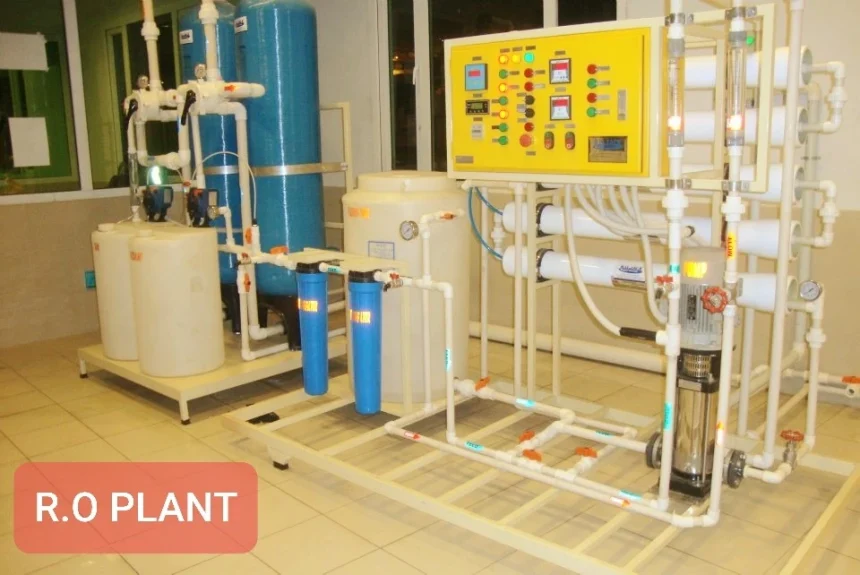
Water shortage is a major problem that affects many nations, including Pakistan. The need for clean, safe drinking water has increased due to industrialization, a fast-expanding population, and shifting climatic trends. Therefore, Reverse osmosis (RO) plants have become a vital and long-term option to address Pakistan’s water shortage in response to this dilemma.
Understanding Reverse Osmosis
A water purification technique uses a semi-permeable membrane in reverse osmosis to eliminate pollutants, impurities, and toxins from water. Regarding supplying safe and drinkable water, RO technology works especially well in Pakistan, where traditional water sources include high concentrations of minerals, salts, and other impurities.
Navigating the Water Crisis in Pakistan
Several issues, including population expansion, ineffective water management techniques, and the effects of climate change, are contributing to Pakistan’s dire water situation. The Indus River system is vital to the nation, and the unequal water resource distribution worsens the situation. Urban and rural communities struggle with a lack of clean water, which delays economic growth and causes various health problems.
Role of RO Plants in Pakistan
- Accessibility and Affordability: Communities around Pakistan now have easier access to clean water thanks to reverse osmosis plants. To guarantee that locals have a consistent, clean water supply, these facilities are deliberately positioned in regions with a severe water shortage. Furthermore, improvements in RO technology have produced more economical alternatives, lowering the cost of clean water for a larger portion of the populace.
- Elimination of Impurities: One of the main benefits of RO technology is its capacity to extract impurities and pollutants from water efficiently. RO plants serve as a barrier, guaranteeing that the water delivered to communities in Pakistan satisfies international criteria for safety and purity, even in a country where water sources frequently contain high amounts of arsenic, fluoride, and other dangerous compounds.
- Empowerment of the Community: Many RO plants in Pakistan result from community-led projects that give the locals authority over their water supply. In addition to offering a long-term solution to the water crisis, community-managed RO plants instill a sense of accountability and ownership in the local populace. This grassroots strategy guarantees the long-term viability of these enterprises and promotes a collaborative attitude.
- Effect on Public Health: Pakistan’s public health is directly impacted by the availability of clean water from RO plants. These plants promote better health among people by decreasing the spread of waterborne illnesses and enhancing general sanitation. As a result, Communities can escape the cycle of disease and medical costs, boosting economic prosperity and productivity.
- Government Initiatives: The Pakistani government has launched programs to establish RO plants in various areas due to realizing the importance of RO technology in resolving the water issue. By reaching out to underserved and isolated locations, these programs hope to give populations suffering from a lack of water a lifeline.
Challenges seen in Pakistan in the light of the RO Plant
Pakistani reverse osmosis (RO) facilities need help to alleviate water shortage. High energy consumption and operating costs, the requirement for technical know-how and maintenance, environmental issues with concentrate disposal, ensuring that benefits are distributed fairly, dealing with issues of public acceptance and awareness, financial sustainability, and climate change adaptation are some of the main obstacles. The successful implementation of RO plants in Pakistan’s quest for water security necessitates cooperative efforts, strategic planning, community engagement, and ongoing monitoring to overcome these obstacles.
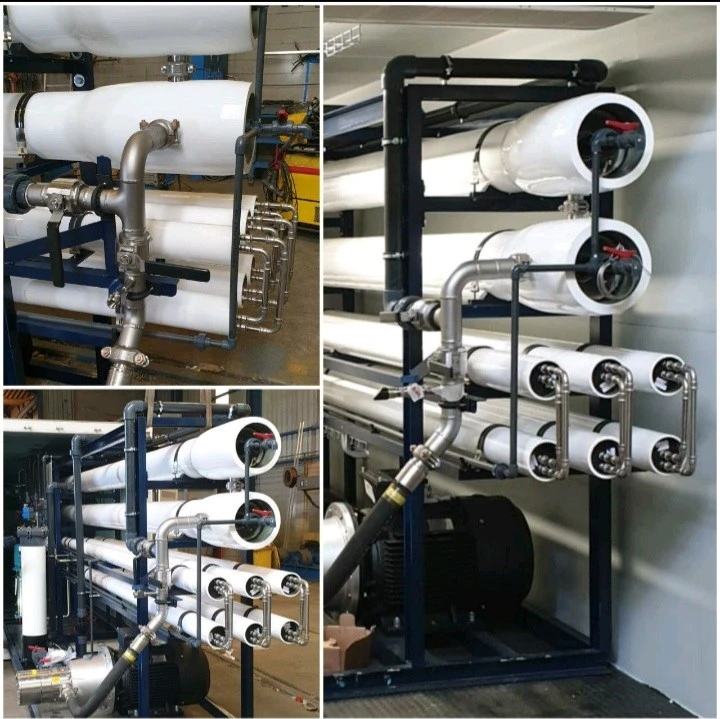
Future of RO plant in Pakistan
- Technological Advancements: It is anticipated that ongoing research and development in the field of water purification, especially in the field of reverse osmosis (RO), will yield improvements that increase the efficiency, lower the energy consumption, and improve the capacity of RO plants to adapt to a wide range of water sources. Technological developments could ease environmental issues related to the disposal of waste.
- Sustainability Measures: With a greater focus on ecologically friendly methods, RO plants’ sustainability will become the sharper focus. Initiatives to investigate environmentally friendly waste management options and lessen the negative effects of disposing of brine concentrate will pick up steam.
- Community Participation and Education: Future programs should prioritize community participation and education to increase awareness and confidence in RO technology. Long-term success will depend on clearing up misconceptions, educating the public about the advantages of RO plants, and integrating locals in facility management.
- Government Initiatives and Policies: The way that RO plants develop in the future will likely be greatly influenced by the government. It will be crucial to have legislative frameworks that support sustainable practices, expedite regulatory procedures, and stimulate investment. Infrastructure for rural communities will be expanded with continued government investment and support.
- Integration with Alternative Water Sources: Future RO plants may combine wastewater treatment and rainwater collection to increase resilience and diversify their water sources. This strategy can improve water availability and support a more thorough and long-term approach to water management.
- Climate Resilience: The design and operation of RO plants will consider climate change. The sustainability of these facilities will depend on their ability to adapt to changing climatic circumstances, such as variations in temperature and precipitation.
- Public-Private Partnerships: There will probably be more cooperation between the public and private sectors and participation from non-governmental organizations. Through the mobilization of resources, knowledge, and technology, public-private partnerships can support the development of a more resilient and long-lasting environment for RO plants.
- Financial Models for Affordability: It will be crucial to create creative financial models that guarantee end customers’ affordability while preserving the profitability of RO plants. Ensuring the lifespan of these initiatives will require striking a balance between social and environmental responsibility and commercial considerations.
Conclusion
A ray of light has appeared for Pakistan in the fight against water scarcity, i.e., reverse osmosis plants. The extensive installation of these plants has given communities access to safe and purified drinking water and the tools they need to manage their water resources. RO plants play a critical role in helping Pakistan create a sustainable and water-secure future as the country struggles with water constraints.