The humble wallet is one of those everyday items most people never think twice about — until it starts failing them. For years, many of us carried the same thick leather bifold, stuffing it with receipts, loyalty cards, and loose change until it bulged awkwardly in a back pocket. Then came a wave of minimalist brands promising to slim things down, and at the front of that movement stood the Ridge Wallet. But even with all the hype, a fair question lingers: is the Ridge Wallet actually worth it in 2026, or is it just clever marketing wrapped in aluminum?
This guide takes an honest look at what the Ridge Wallet offers, what it does well, and where it falls short — so you can decide whether it earns a spot in your pocket.
What Is the Ridge Wallet?
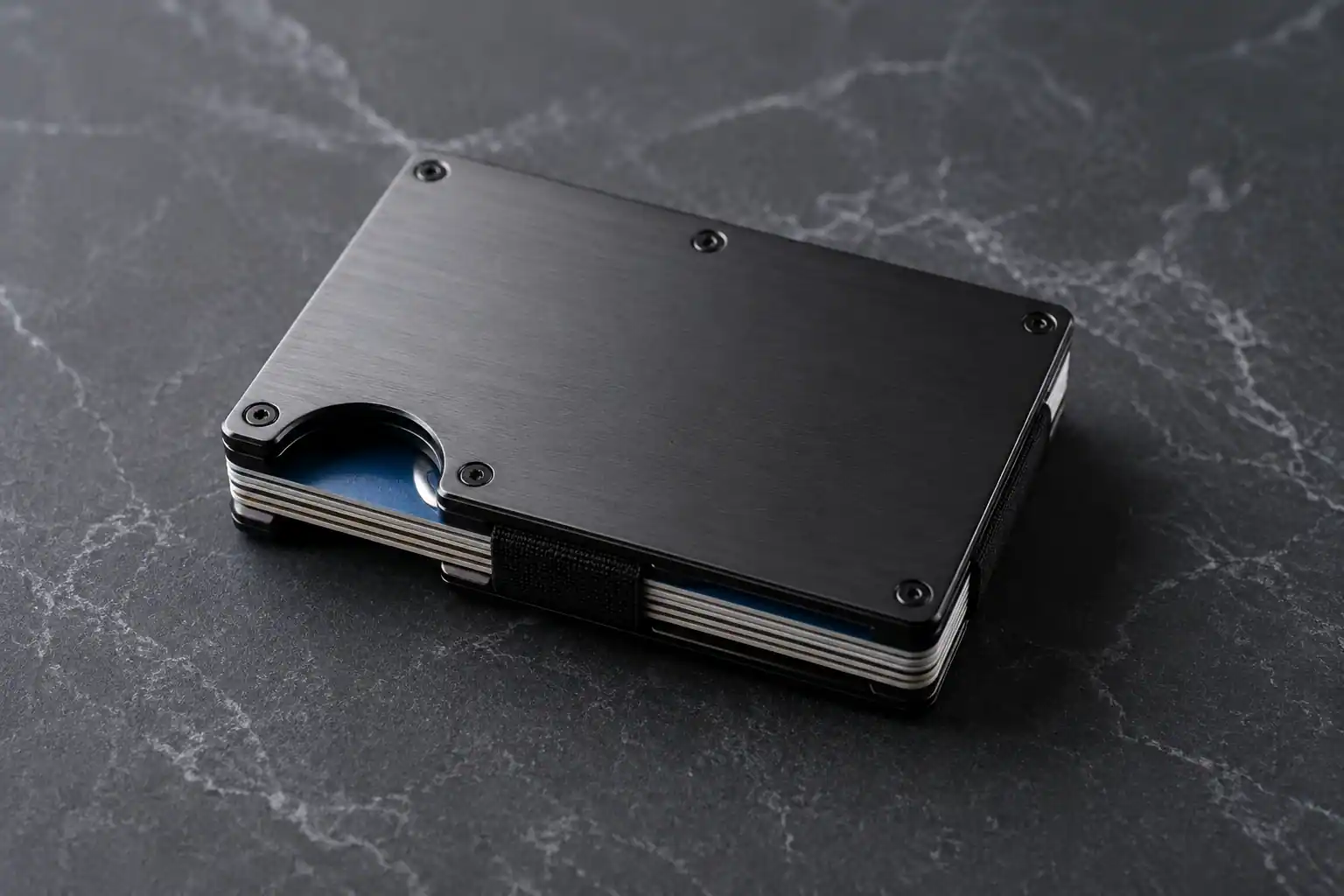
At its core, the Ridge Wallet is a minimalist, metal cardholder built around a simple idea: carry only what you need, and carry it in the smallest possible footprint. Instead of a traditional leather sleeve, the Ridge uses two rigid metal plates — most commonly aluminum, titanium, or carbon fiber — held together by a set of screws and a durable elastic band.
Cards slide neatly into the middle and are fanned out with a thumb notch when you need one. Cash, meanwhile, is handled by either a money clip or a cash strap positioned on the outside. The whole thing weighs roughly two ounces, depending on the material, and it’s designed to disappear into a front pocket rather than force you into a daily game of sitting-on-a-brick.[^1]
The Ridge has also grown far beyond its original single-product offering. Today, the brand sells wallets, key cases, pens, and phone cases, all built around the same rugged, modular philosophy. But the wallet remains the flagship, and it’s the product most people mean when they talk about Ridge.
Key Features of the Ridge Wallet
The Ridge’s appeal is rooted in a handful of distinct features that separate it from a cheap knockoff. Understanding these makes it easier to judge whether the premium price tag is justified.
RFID Blocking Technology
One of the most frequently mentioned selling points is RFID protection. The metal plates are designed to block radio-frequency signals, theoretically preventing skimmers from remotely reading the RFID chips embedded in contactless credit cards and IDs. In practice, the threat of RFID skimming is often overstated, but the protection is a genuine built-in feature rather than a gimmick — and it’s one less thing to worry about for frequent travelers who value peace of mind.
Modular Design and Material Choice
The Ridge is highly modular. Because the two plates are held together with visible screws, you can swap out elastic bands (which come in a range of colors), replace the money clip with a cash strap, or even upgrade materials down the line. This is a sharp contrast to a stitched leather wallet, which is more or less fixed once it’s made.
Material choice matters both aesthetically and functionally. Aluminum models are the lightest and most affordable; titanium adds scratch resistance and a premium feel at a higher cost; carbon fiber offers a distinctive look with a slight weight advantage. Each material gives the wallet a different texture and personality in the hand.[^1][^2]
Compact, Front-Pocket Carry
Perhaps the most underrated benefit is the shift in how you carry. Because the Ridge is so thin, it’s designed to live in your front pocket instead of your back. That single change can alleviate lower-back discomfort, make pickpocketing harder, and simply feel more secure in crowded spaces. Once you get used to front-pocket carry, going back to a thick back-pocket bifold feels genuinely awkward.
Lifetime Warranty and Trial Period
Ridge backs its products with a lifetime warranty covering defects in materials and workmanship, on top of a risk-free trial period that lets you test the wallet before fully committing. Purchases made before October 14, 2025 fall under the Standard Lifetime Warranty, while newer purchases are covered by the “Built for Life” warranty program.[^1][^3] Longtime users have reported getting replacements even for wear and tear issues like material chips from drops, suggesting the company takes the guarantee seriously in practice.[^2]
The Benefits of Switching to a Ridge Wallet
Beyond the spec sheet, the Ridge delivers a handful of real-world upsides that explain why so many people stick with it after the novelty wears off.
It Forces You to Downsize
There’s a subtle discipline baked into the Ridge’s design. The elastic band has a finite capacity — typically around 12 to 15 cards at most, and comfortably far fewer. That hard limit forces you to cull the clutter: no more expired gift cards, forgotten punch cards, or three-year-old receipts. For many users, this is the unexpected gift of minimalist carry. It isn’t just a smaller wallet; it’s a cleaner system for what you actually use.
Exceptional Durability
A well-made leather wallet can last years, but a Ridge made of aluminum or titanium can outlast several of them. The metal resists bending, tearing, and general abuse that would wreck softer materials. It’s not immune to scratches — users consistently note that the surface picks up scuffs and marks over time — but the structural integrity holds up remarkably well. Where a leather bifold shows its age in cracks and fraying, a Ridge shows it in character.[^3]
A Starkly Different Look and Feel
There’s no mistaking a Ridge for anything else. The machined metal, the satisfying snap of cards fanning out, the slim profile in the palm — it’s a tactile, almost gadget-like object rather than a passive accessory. For people who appreciate well-machined tools, that sensory quality alone can justify the purchase. It has a certain heft that feels substantial without being heavy.[^1]
Security and Peace of Mind
Between the RFID-blocking plates, the front-pocket orientation, and the general lack of bulk, the Ridge offers a subtle but real sense of security. Cards aren’t easily jostled loose, and the whole package is harder to lift unnoticed than a wallet protruding from a back pocket.
The Drawbacks You Should Know About
For all its strengths, the Ridge isn’t for everyone, and honest reviews consistently surface the same criticisms worth weighing before you buy.
Cash Handling Can Be Fiddly
While cards work brilliantly, cash is a mixed experience. The money clip holds bills tightly, but accessing them can be awkward, and heavy users of cash may find the system clunky compared to a traditional billfold. Coins, of course, have no home at all. If cash is still a meaningful part of your daily routine, the Ridge may feel like a compromise.
The Elastic Band Wears Over Time
The elastic band is the one consumable component of the wallet, and it’s the part most likely to need attention. Some users report the band stretching noticeably after 8 to 12 months of heavy use, which can slightly affect how snugly cards are retained.[^4] The good news is that replacement bands are inexpensive and easy to swap thanks to the modular design — but it’s a maintenance step you simply don’t face with a stitched leather wallet.
Card Access Isn’t Instant
Getting a specific card out of the Ridge takes a small ritual: push the cards out with the thumb notch, find the one you want, then slide the rest back. In practice, regular card users adapt quickly, but the mechanism is undeniably less instant than pulling a card from a traditional sleeve. A few reviewers have found this friction bothersome enough to move on, even describing it as a reason to look elsewhere.[^5]
It Scratches — There’s No Way Around It
If you buy the Ridge expecting it to stay pristine, you’ll be disappointed. The metal surfaces, particularly aluminum, pick up scuffs and scratches through normal pocket life, and polished finishes show wear over months and years.[^3] Some owners actually appreciate the worn-in look as patina; others find it undermines the premium feel. Either way, it’s important to go in with realistic expectations about how the wallet ages.
The Price Is Genuinely Premium
The final and most obvious hurdle is cost. Ridge wallets start around $95 for standard aluminum and climb to $200 and beyond for titanium and carbon fiber options.[^2] That’s a significant step up from a quality leather wallet or a simpler minimalist cardholder. Whether the price is “worth it” comes down entirely to how much you value durability, the aesthetic, and the lifetime warranty support behind it.
Ridge Wallet at a Glance
Here’s a quick summary of the pros and cons to help crystallize the decision:
Pros
- Extremely durable metal construction
- Slim, front-pocket-friendly design
- RFID-blocking protection built in
- Modular, customizable with swappable bands
- Backed by a lifetime warranty and trial period
- Forces a genuinely minimalist card collection
Cons
- Cash handling is awkward, and there’s no coin storage
- Elastic band wears and needs occasional replacement
- Retrieving specific cards takes a small learning curve
- Metal surfaces scratch over time
- Premium price point
Is the Ridge Wallet Worth It for You?
After weighing all of it, the honest answer is that the Ridge isn’t a universal upgrade — it’s a specific tool for a specific kind of person.
If you’re someone who already carries a minimal number of cards, dislikes back-pocket bulk, loves machined objects, and values a product that’s built to last (with the warranty to match), the Ridge is likely to feel like money well spent. Its durability and lifetime backing mean the cost amortizes over many years of daily use, which is a compelling argument against treating it as an impulse buy.[^3]
On the other hand, if you carry a lot of cash, prefer instant one-handed card access, or simply like the soft familiarity of leather, you may find the Ridge’s trade-offs frustrating. The cash issue alone is a dealbreaker for some, and no amount of marketing can change how you personally interact with the product day to day.
The encouraging part is the low-risk trial. Because Ridge offers a risk-free return window, you can genuinely test the wallet in your own life — with your cards, your cash habits, your pocket — and decide based on experience rather than hype. That’s the smartest way to answer the “worth it” question, because in the end, no review can know your pocket better than you do.