
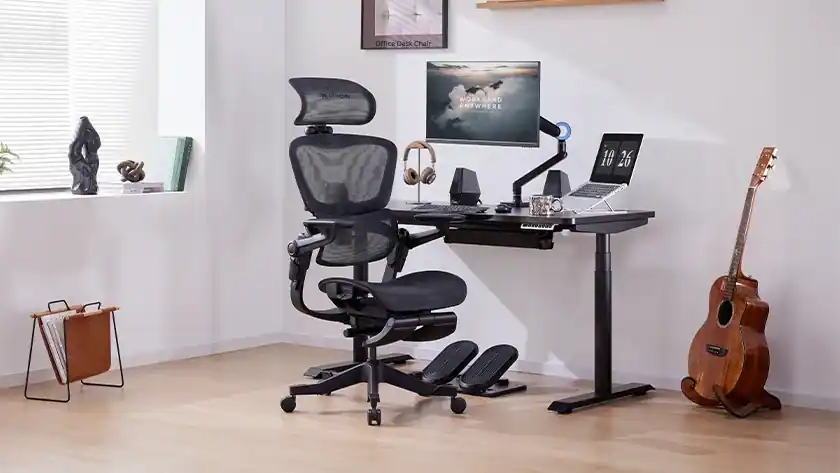
Your office desk chair plays a significant role in your daily health and comfort. Whether you’re working from home or in an office, you spend hours every day in a sitting position, which impacts your posture, circulation, and overall well-being. A poorly designed chair can lead to chronic back pain, fatigue, and long-term health issues. Sometimes the only thing you need to feel more comfortable and productive throughout the day is to buy an office desk chair that supports your body properly. So let’s explore the potential effects of desk chairs on your health and learn how to eliminate them.
The Health Risks of a Poor Office Desk Chair
Many people experience discomfort after long hours of sitting, but few realise that their chair might be the problem. One of the most common issues associated with a bad office chair is back and neck pain. Without proper lumbar support, your lower back lacks the necessary cushioning to maintain its natural curve, causing strain on your spine and leading to discomfort over time.
Poor posture is another significant concern. A chair that doesn’t support your back and shoulders encourages slouching, which can result in spinal misalignment. Over time, this condition can contribute to chronic pain, muscle tension, and even long-term posture problems.
Sitting for extended periods in an unsupportive chair can also negatively affect circulation. When your legs are compressed due to a poorly designed seat, blood flow is restricted, which can lead to swollen feet, varicose veins, and even deep vein thrombosis.
Without the right support, your muscles and joints can also become strained. An uncomfortable chair leads to fatigue, pain, discomfort, and reduced productivity. When you’re constantly shifting around to find a comfortable position, your focus on work diminishes, and you feel more tired throughout the day.
Key Features of a Health-Boosting Office Desk Chair
An ergonomic office chair can make all the difference in your comfort and well-being. One of the most important features to look for is lumbar support. A good chair will provide adequate support for your lower back, helping to maintain the natural curve of your spine and prevent slouching.
You should also consider seat depth and cushioning. A chair that is too deep or too shallow can put unnecessary pressure on your legs and back. Ideally, you should be able to sit with your back against the chair while keeping your feet flat on the floor and your knees at a 90-degree angle. Proper cushioning helps distribute weight evenly, reducing pressure points and increasing comfort.
The material of the chair is also important. Breathable mesh backrests allow for better air circulation, preventing overheating and excessive sweating during long hours of sitting. Memory foam or other supportive materials help improve comfort and provide a soft yet firm surface that supports the body.
The experts recommend buying a fully adjustable office desk chair. A swivel base allows you to move easily without straining your body, especially if you need to reach for items around your desk. Adaptable armrests help support your arms and shoulders in the right places, reducing tension in the upper body.
Choosing the Right Office Desk Chair for Your Needs
Selecting the best office chair largely depends on your specific work habits and personal preferences. If you spend long hours at your desk, invest in a high-quality ergonomic chair with full lumbar support. It will provide continuous comfort and maintain proper spinal alignment throughout the day.
Remote workers need a chair that balances health benefits with aesthetics. Many home offices are designed with both function and style in mind, so choosing a chair that fits your workspace while providing ergonomic support is a smart decision.
You can find a great office chair that improves your seating even without breaking the bank. Many affordable chairs still offer adjustable lumbar support, seat depth, and breathable materials, ensuring you can work comfortably. But if you’re ready to invest in premium seating solutions, you can get more benefits. High-end ergonomic chairs come with dynamic lumbar support, memory foam cushioning, and even smart adjustments that respond to your movements.
How to Improve Your Sitting Habits for Better Health
Even with the best office chair, you need to practise good sitting habits for long-term health. One of the most important aspects is sitting with the correct posture. Your back should be fully supported by the chair, and your feet should rest flat on the floor. Keeping your elbows at a 90-degree angle while typing helps reduce strain on your wrists and shoulders.
The 90-degree rule is actually a versatile guideline. Your knees, hips, and elbows should all be at a 90-degree angle when seated to ensure that your body remains in a natural, stress-free position. If your chair does not allow for this, consider adjusting the height or using a footrest for additional support.
Taking regular breaks is just as important as having the right chair. Sitting in the same position for too long, even on an ergonomic chair, can lead to stiffness and discomfort. Standing up, stretching, and moving around every 30 to 60 minutes can help improve circulation and prevent muscle fatigue. Incorporate light stretches or short walks into your routine to reduce tension and keep your body feeling refreshed.
Using a sit-stand desk in combination with an ergonomic chair is another effective way to promote better posture and movement. Alternating between sitting and standing throughout the day reduces the risk of developing musculoskeletal problems and helps maintain energy levels. It encourages a healthier work routine and prevents the negative effects of prolonged sitting.
Conclusion
Your office chair matters a lot and can significantly affect your well-being. If you’re considering a purchase, buy an office desk chair that provides proper lumbar support, has adjustable features, and is made of comfortable materials. These simple characteristics can make a significant difference in your daily work routine. And don’t forget about regular breaks and proper posture—your health relies on your effort.
By prioritising your health and investing in comfort and support, you can feel your best every day.
