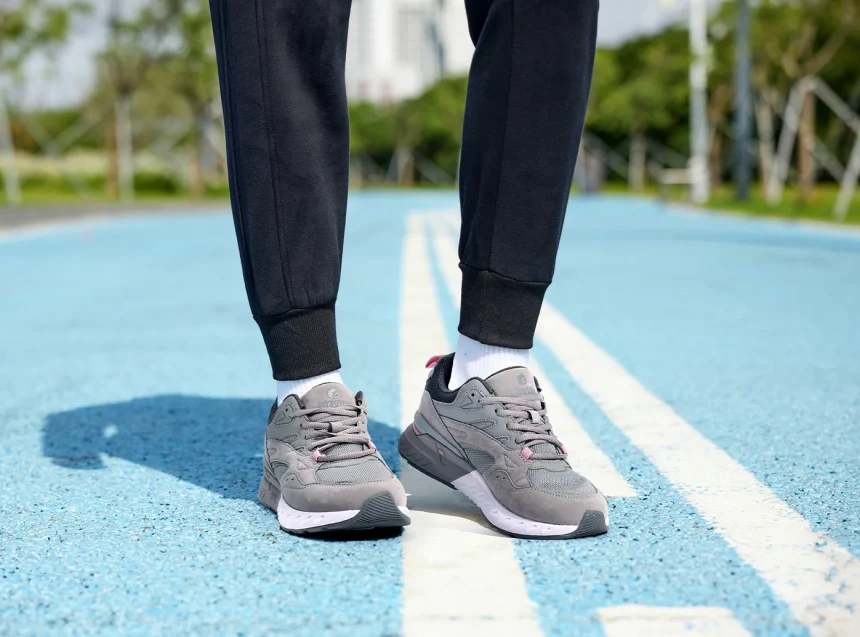
There was a time when supportive shoes were treated like a compromise.
You wore them because you had to, not because you wanted to. They were associated with discomfort, recovery, ageing, long work shifts, or the point when fashion stopped feeling worth the trouble. For a lot of men, the idea of orthopaedic footwear brought to mind bulky shapes, dull colours, and shoes that looked more functional than wearable.
That image has changed.
Today, comfort is no longer sitting quietly in the background of fashion. It is part of the conversation. Men are paying more attention to how shoes feel after a long commute, a full day on hard floors, a city walk, a weekend trip, or hours spent moving between work and social plans. And as lifestyle habits have shifted, so has footwear.
That is where orthopaedic walking shoes have started to move into a very different space. They are no longer seen only as problem-solving shoes. More and more, they are being chosen as everyday shoes because they combine support, wearability, and a look that fits modern life.
This is not just a footwear trend. It reflects a wider change in how people think about style, movement, and what they expect from the things they wear every day.
Why comfort is no longer a side issue
For years, style and comfort were framed as opposites.
If you wanted a sharper look, you were expected to tolerate a certain amount of stiffness, pinching, or foot fatigue. If you wanted comfort, you were expected to sacrifice appearance. That trade-off lasted a long time because most brands kept designing around image first and long-wear performance second.
But real life has a way of exposing bad design.
A shoe may look great in a mirror for five minutes and still feel terrible by the end of a normal day. Men started noticing that more clearly once everyday routines changed. More walking, more hybrid work, more travel, more casual dressing, and more time spent moving between different settings all created new expectations. Shoes had to do more than look presentable. They had to actually work.
That shift made room for a new kind of footwear mindset.
People stopped asking only, “Does this look good?” and started asking, “Can I wear this all day without regretting it?”
That question has pushed comfort-led footwear into a more fashionable place than it used to occupy.
The rise of performance in everyday dressing
One of the biggest style changes in recent years has been the blending of performance features into ordinary wardrobes.
Men no longer separate sportswear, comfortwear, travelwear, and daily wear as rigidly as they once did. Trainers are worn with relaxed tailoring. Cushioned sneakers go with jeans, overshirts, joggers, and even smart-casual outfits. Function has become part of the aesthetic.
This is a major reason supportive footwear has gained momentum.
Shoes that offer better cushioning, roomier construction, improved stability, and more thoughtful fit no longer feel out of place in fashion. In many cases, they feel more relevant to modern wardrobes than formal shoes that look polished but become exhausting after a few hours.
That is where orthopaedic walking shoes have found a stronger place. They sit comfortably inside this wider movement toward practical style. They appeal not only to men dealing with foot pain, but also to men who simply want smarter, more wearable footwear that supports daily life.
Pain changed the conversation, but lifestyle is driving the trend
For some men, the journey starts with discomfort.
It might be aching arches, sore heels, a tired forefoot, stiff joints, or the growing realisation that ordinary trainers and casual shoes are no longer giving enough support. Pain often forces attention. It turns footwear from an afterthought into something worth thinking about properly.
But what keeps the trend growing is not just pain.
It is performance in ordinary life.
A shoe that feels better during work, commuting, travel, errands, weekends, and long days out quickly becomes more valuable than one that only looks good in a product photo. Men are starting to choose footwear that helps them move more easily, stay comfortable longer, and feel less drained by the end of the day.
That is a lifestyle decision as much as a health one.
The rise of orthopaedic-inspired fashion is really about this overlap. What once felt medical now feels practical, and what feels practical often becomes stylish once enough people realise it improves daily life.
Design has changed more than people realise
A big reason orthopaedic walking shoes are entering everyday fashion is simple.
They look better now.
Older versions of supportive footwear often made the mistake of announcing their purpose too loudly. The shapes were heavy. The colour choices were limited. The overall design felt clinical. Even if the comfort was good, the look made many people hesitate.
Modern design has moved on.
Brands have started paying more attention to proportion, cleaner lines, wearable colourways, and more versatile styling. The goal is no longer just to make the shoe comfortable. It is to make it something a man would choose willingly as part of a real wardrobe.
That matters because people want shoes they can wear across different parts of the day. They want something that works with jeans, chinos, joggers, casual office outfits, airport looks, and weekend dressing. When supportive shoes become visually adaptable, they stop feeling like a backup option and start becoming the main option.
Why everyday fashion is becoming more body-aware
Fashion is changing in a broader way too.
There is more attention now on how clothes and shoes actually feel on the body, not just how they photograph. People talk more openly about fit, comfort, recovery, mobility, and fatigue. They want clothes and footwear that support the way they live rather than forcing them into a narrow idea of what style is supposed to look like.
That has created more respect for function.
In footwear, that means better cushioning is appreciated. Roomier toe boxes are appreciated. Stable soles, softer interiors, and supportive structures are appreciated. These features are no longer hidden selling points. They are part of what makes a shoe attractive in the first place.
This is why supportive walking shoes have become more culturally relevant. They fit into a world where people want to feel good in what they wear, not just look acceptable for a short moment.
Walking culture has influenced footwear choices too
Another reason this shift has taken hold is that walking itself has become more central to modern life.
People walk more for exercise, for mental clarity, for commuting, for travel, and for daily routine. Even those who do not think of themselves as highly active still spend plenty of time on their feet. When walking becomes a regular part of your week, the wrong footwear becomes difficult to ignore.
That naturally raises the value of shoes designed for better underfoot support.
A shoe that helps you move through the day with less strain becomes more appealing than one chosen only for appearance. Over time, that changes shopping habits. Men become more willing to invest in shoes that deliver lasting comfort, especially if they also look good enough to wear anywhere.
That is part of why orthopaedic walking shoes have moved from a niche category into a broader lifestyle choice. The more walking matters, the more supportive shoes matter too.
The fashion value of feeling better
There is a quiet confidence that comes with comfortable footwear.
You stand differently. You walk more freely. You stop thinking about your feet every hour. You do not plan your day around how much discomfort you are willing to tolerate.
That confidence affects style more than people think.
A shoe becomes more fashionable when it fits easily into your real life. If it lets you move through the day without distraction, it becomes something you reach for more often. The more often you wear it, the more it becomes part of your personal style rather than an occasional practical choice.
This is one of the reasons comfort-led shoes are gaining fashion legitimacy. They are not just being worn out of necessity. They are being worn because they make life easier without making the outfit worse.
That is a strong combination.
Men are becoming more selective about footwear
The old habit of buying shoes based only on looks is fading.
More men are asking better questions now. How will this feel after six hours? Does the forefoot have enough room? Will this work for travel? Can I walk properly in these? Does the sole feel stable? Will I actually want to wear these again tomorrow?
Those are smarter questions.
And they tend to lead toward better footwear choices. Shoes that are too narrow, too flat, too stiff, or poorly shaped are easier to reject once someone has experienced something better. That is part of how trends shift. People stop accepting unnecessary discomfort as normal.
In that environment, orthopaedic-inspired walking shoes do not feel like an odd category anymore. They feel like a logical response to what men actually need from daily footwear.
From specialist product to mainstream wardrobe piece
What is happening now is not that supportive shoes are replacing fashion.
It is that they are becoming part of fashion.
They are being worn not just by men with obvious foot problems, but by men who want more from their footwear. They suit the casual direction of modern dressing. They align with wellness-minded lifestyle choices. They support walking-heavy routines. They meet the growing expectation that style should not come at the cost of physical discomfort.
That makes them more mainstream than they used to be.
Once a product moves from being something people hide to something people choose proudly, its cultural position changes. Orthopaedic walking shoes are now much closer to that second category than the first.
Final thoughts
The rise of orthopaedic walking shoes in everyday fashion says a lot about where style is heading.
Comfort, support, and daily performance now matter in a way they did not always matter before. That shift has opened the door for supportive footwear to become not only practical, but genuinely wearable in modern wardrobes.
What started as a response to pain has grown into something broader.
It is now about movement, lifestyle, confidence, and the idea that everyday fashion should support the body rather than work against it. That is why orthopaedic walking shoes are no longer sitting on the sidelines. They are becoming part of the main conversation.
And for a lot of men, that is a very good thing.
FAQs
Are orthopaedic walking shoes only for people with foot pain?
No. Many men choose them for everyday comfort, walking support, and long-wear practicality, even if they do not have a diagnosed foot condition.
Can orthopaedic shoes still look stylish?
Yes. Modern designs are far more wearable than older comfort-focused shoes and often work well with casual and smart-casual outfits.
Why are supportive shoes becoming more popular in fashion?
Because people increasingly want footwear that fits real life. Comfort, movement, travel, and all-day wear now matter more in buying decisions.
Are orthopaedic walking shoes good for daily use?
Yes. They are often most useful in everyday settings such as commuting, errands, work, travel, and general walking.
What makes them different from standard casual shoes?
Usually it is the combination of better support, more thoughtful fit, improved stability, and design features aimed at reducing strain over longer wear.