
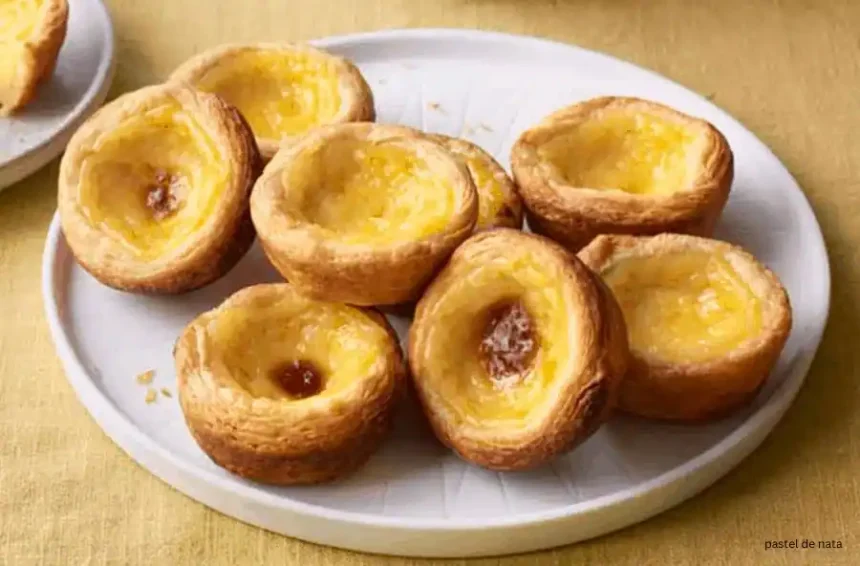
Introduction to Pastel de Nata
If you’ve ever wandered through the winding streets of Lisbon or dreamed of the sun-soaked cafes of Portugal, you’ve likely come across the deliciously golden treat known as pastel de nata. This flaky, creamy custard tart is more than just a pastry—it’s a cherished symbol of Portuguese culture, loved by locals and travelers alike. In this article, I’m going to satisfy both your curiosity and your sweet tooth, exploring what makes the pastel de nata so special, its history, how it’s made, and why it has become internationally adored.
The Origin Story of Pastel de Nata
The story of pastel de nata begins in the 18th century, within the walls of the Jerónimos Monastery in Belém, Lisbon. The monks, resourceful or inventive, used leftover the egg yolks—after egg whites were used for the starching clothes—to create custard tarts. These delicious creations were initially made to generate income for the monastery. The recipe was the eventually sold to Fábrica de Pastéis de Belém in the 1837, which still guards original formula closely. To this day, the bakery is a pilgrimage destination for pastry lovers worldwide, and the legacy of the pastel de nata continues far beyond Portugal’s borders.
What Exactly is Pastel de Nata?
At its core, pastel de nata is a custard tart—delicate, yet rich in flavor. The tart consists of a crispy, multi-layered puff pastry shell filled with a creamy custard made from egg yolks, sugar, milk, and sometimes cream. The secret to its irresistible charm lies in the perfect harmony between the crust’s crispy texture and the custard’s silky smoothness. A hallmark of the pastel de nata is the caramelized, slightly blistered top, often achieved by baking at a high temperature. Many enjoy it sprinkled with a touch of cinnamon or powdered sugar.
Making the Perfect Pastel de Nata
The brilliance of the pastel de nata is as much about craftsmanship as it is about ingredients. Here’s a peek into what goes into making them:
- Puff Pastry Base: Thin layers of dough and butter are rolled and folded, creating a shell that puffs up beautifully during baking. The result is a pastry that’s crisp and flaky, able to hold up the creamy filling without becoming soggy.
- Custard Filling: The filling is luscious and slightly wobbly, combining egg yolks, sugar, and milk (or cream). This mixture is cooked gently before being poured into the raw pastry shells.
- High Heat Baking: The tarts are baked in a very hot oven, often around 250°C (480°F), which helps form the classic caramelized spots on top. This creates a delightful contrast in texture and adds to the rich flavor profile.
Why Pastel de Nata is Unique
What makes pastel de nata stand out in a world full of pastries? For starters, it’s the harmonious meeting of textures and temperatures—the custard remains warm and smooth, while the pastry is light and crisp. Each bite delivers comforting sweetness, balanced by a hint of vanilla and sometimes lemon zest or cinnamon. It’s a treat that’s as delightful with morning coffee as it is for dessert.
Another unique aspect is the cultural tradition surrounding the pastel de nata. In Portugal, they are often enjoyed at counter-side espresso bars, paired with a “bica” (a shot of strong Portuguese coffee). This makes the experience of eating pastel de nata as much about the setting and moment as the pastry itself.
International Love for Pastel de Nata
In recent years, pastel de nata has gone global. You’ll find them in bakeries from London to Tokyo, and foodies everywhere are on a quest to discover which café makes the best version. Despite many adaptations—including some with chocolate or fruit twists—the classic Portuguese recipe remains the gold standard. The pastel de nata is also an important figure in the movement celebrating artisanal and traditional foods, reminding us all of the joy in time-honored recipes.
Where to Find the Best Pastel de Nata
While the Fábrica de Pastéis de Belém is often hailed as the birthplace and gold standard for these tarts, you’ll find proudly made pastel de nata in pastry shops all across Portugal. Some bakeries in Porto and small towns whisper their own variations into the dough, making the taste subtly unique from shop to shop. Internationally, Portuguese bakeries and trendy coffee shops often provide a delicious experience, though nothing quite matches the magic of enjoying a freshly baked tart in Lisbon.
Bringing Pastel de Nata Home
With their broad appeal, it’s no surprise that home bakers everywhere try their hand at making pastel de nata. Recipes are widely available online, though mastering the flaky pastry and silky custard is no easy feat! If you decide to give it a go, patience and quality ingredients are essential. For a taste of tradition at home, look for Portuguese-style puff pastry and don’t be afraid to let your oven run hotter than usual.
Final Thoughts
The pastel de nata is more than just a sweet treat—it’s a bite of history, a nod to Portuguese creativity, and an invitation to enjoy the simple pleasures in life. Whether you’re lucky enough to find one in Portugal itself, or you whip up a batch in your own kitchen, pastel de nata is a timeless delight that continues to charm food lovers worldwide.
