
Introduction
In the age of advanced technology, the world is becoming more interconnected than ever before. One of the key drivers of this interconnectedness is the rapid proliferation of Internet of Things (IoT) devices. IoT devices have transformed the way we interact with the world around us, from smart homes to industrial automation and beyond. In this article, we will explore the fascinating world of IoT devices, their functionality, benefits, challenges, and the impact they have on various aspects of our lives.
What Are IoT Devices?
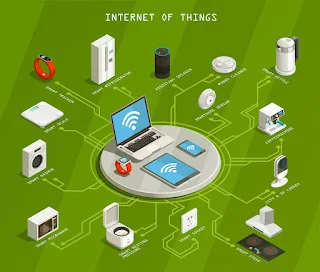
IoT devices are physical objects embedded with sensors, software, and other technologies that enable them to connect and exchange data over the internet. These devices can collect, transmit, and receive information, making them an integral part of the larger IoT ecosystem. From consumer devices like smart speakers, wearables, and home automation systems to industrial devices used in agriculture, healthcare, and manufacturing, IoT technology has found widespread applications.
How Do IoT Devices Work?
To understand how IoT devices work, it is essential to grasp their underlying technology. IoT devices consist of three main components:
Sensors: These are the sensory organs of IoT devices. They collect data from the device’s surroundings, such as temperature, humidity, motion, light, and more.
Connectivity: IoT devices use various communication protocols like Wi-Fi, Bluetooth, Zigbee, or cellular networks to transmit the collected data to the cloud or other connected devices.
Data Processing: Once the data reaches the cloud or a central server, it undergoes processing and analysis. This data-driven decision-making forms the basis for various applications and services that IoT devices offer.
The Advantages of IoT Devices
IoT devices have revolutionized many aspects of modern living, offering a myriad of benefits:
Automation and Efficiency: IoT devices automate tasks and processes, enhancing efficiency and productivity in industries and homes.
Improved Healthcare: In the medical field, IoT devices enable remote patient monitoring, smart medical equipment, and better data-driven diagnosis.
Energy Conservation: IoT-enabled smart homes and buildings optimize energy consumption, leading to reduced energy waste.
Enhanced Consumer Experience: IoT devices provide personalized and seamless experiences, like smart assistants anticipating user needs.
The Challenges of IoT Devices
As with any technology, IoT devices also face certain challenges that need addressing:
Security Risks: The interconnected nature of IoT devices makes them vulnerable to cyber-attacks and data breaches.
Interoperability: Ensuring compatibility and seamless communication among diverse IoT devices from different manufacturers can be complex.
Data Privacy: IoT devices collect vast amounts of personal data, raising concerns about privacy and how the data is used.
Security and Privacy Concerns
Security and privacy are critical aspects of IoT devices, and they deserve a closer look:
Data Encryption: Implementing robust encryption protocols ensures that data transmitted between IoT devices and servers remains secure.
User Authentication: Incorporating strong user authentication mechanisms prevents unauthorized access to IoT devices.
Regular Updates: Timely software updates and patches help address vulnerabilities and ensure better protection against potential threats.
IoT Devices in Everyday Life
The integration of IoT devices has already become commonplace in various aspects of our daily lives:
Smart Homes: IoT-enabled devices like smart thermostats, lighting, and security systems offer convenience and energy savings.
Wearable Technology: Fitness trackers, smartwatches, and health monitoring devices have become popular tools for health-conscious individuals.
Connected Cars: IoT technology enhances the driving experience with features like GPS navigation and real-time vehicle diagnostics.
The Future of IoT Devices
The potential for IoT devices is vast, and the future holds exciting possibilities:
5G Connectivity: The advent of 5G technology will enable faster and more reliable communication among IoT devices.
Edge Computing: Moving data processing closer to the source (edge) will reduce latency and enhance real-time capabilities.
AI Integration: Integrating artificial intelligence with IoT devices will enable smarter decision-making and automation.
Industries Embracing IoT Technology
Various industries have embraced IoT technology to drive innovation and efficiency:
Healthcare: Remote patient monitoring, medical wearables, and IoT-enabled medical devices are transforming healthcare.
Agriculture: Smart agriculture solutions help monitor crops, optimize irrigation, and improve overall agricultural productivity.
Manufacturing: IoT devices enhance automation, predictive maintenance, and supply chain management in manufacturing.
Innovations in IoT Devices
The world of IoT devices is dynamic, and continuous innovation has led to exciting developments:
Blockchain and IoT: Blockchain technology adds an extra layer of security and transparency to IoT networks.
TinyML: The concept of Tiny Machine Learning makes it possible to perform AI tasks on small IoT devices with minimal resources.
Energy Harvesting: Research is being done on using energy harvesting techniques to power IoT devices sustainably.
Impact on Health and Environment
While IoT devices bring numerous benefits, there are considerations regarding health and environmental impact:
Electromagnetic Radiation: Some studies explore the potential effects of long-term exposure to IoT device radiation.
E-Waste: The disposal of IoT devices must be managed responsibly to reduce electronic waste.
You may like Artificial Intelligence AI Than Conventional Programming
Best Practices for Using IoT Devices Safely
To make the most of IoT devices without compromising security:
Change Default Passwords: Always change default passwords to unique and strong ones.
Regular Updates: Keep IoT device software up to date to mitigate security risks.
Network Security: Use secure Wi-Fi networks and avoid public or unsecured connections for IoT devices.
Ethical Considerations in IoT Development
As IoT technology advances, ethical considerations must be at the forefront:
Data Privacy: Users must have control over their data and know how it is being used.
Transparency: IoT manufacturers should be transparent about the data collected and the purpose behind it.
Addressing E-Waste and Sustainability
To address the growing concern of e-waste from discarded IoT devices:
Recycling Initiatives: Encourage and support responsible recycling programs for IoT devices.
Modularity: Design IoT devices with replaceable parts to extend their lifespan.
Conclusion
The rise of IoT devices has ushered in an era of interconnectedness and convenience, transforming the way we live and work. From enhancing our daily lives to revolutionizing industries, IoT technology continues to evolve, promising an exciting future. However, ensuring security, privacy, and sustainability are key challenges that require ongoing attention as we move forward with IoT innovation.
FAQs
Q1: Are IoT devices only used in homes?
A1: No, IoT devices find applications in various industries, including healthcare, agriculture, manufacturing, and more.
Q2: Can IoT devices work without an internet connection?
A2: Some IoT devices can function without internet connectivity, but many of their advanced features rely on internet access.
Q3: How do IoT devices benefit the environment?
A3: IoT devices help promote energy conservation, optimize resource usage, and reduce overall waste, positively impacting the environment.
Q4: What security measures should I take with IoT devices?
A4: Change default passwords, keep software up to date, and use secure Wi-Fi networks to enhance security.
Q5: Is IoT technology safe for personal data?
A5: While IoT devices raise privacy concerns, following best practices and choosing reputable brands can help protect personal data


