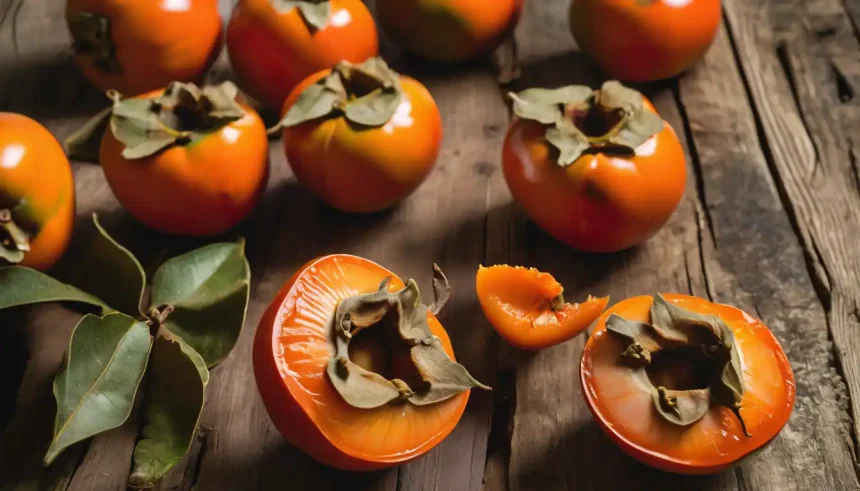
Caquis Persimon at a Glance
If you’ve spotted “Caquis Persimon” on a fruit label or market sign, you’ve bumped into Spain’s star persimmon. Known for its glossy orange skin, crisp bite, and sweet, honeyed flavor, this variety has earned Protected Designation of Origin (PDO) status in the Ribera del Xúquer region of Valencia. I’ll break down what makes it special, how to pick and store it, and clever ways to enjoy it—whether you’re team snack, salad, or dessert.
What Exactly Is “Caquis Persimon”?
“Caquis” is Spanish for persimmons, and “Persimon” is a branded, regulated name used for non-astringent, firm-eating fruit from specific cultivars—most famously the Rojo Brillante—grown and packed under strict quality controls. Unlike soft, jelly-like astringent types, Caquis Persimon are eaten when firm, offering a refreshing crunch similar to an apple, but with tropical vanilla-cinnamon notes.
Key Characteristics
- Bright, uniform orange skin with a lacquered sheen
- Firm, seedless (or nearly seedless) flesh when ready to eat
- Naturally sweet with low acidity; no mouth-drying astringency when labeled as Persimon
- Distinctive calyx (leafy top) that stays attached until serving
Origin and Seasonality
The heartland of Caquis Persimon is Spain’s Ribera del Xúquer, where a Mediterranean climate—sunny days, mild nights, and breezy autumns—supports excellent color and sugar accumulation. The main season runs from late October through January, hitting peak availability around November and December. Outside Europe, you may find imported fruit during these months in specialty grocers.
How It Earned Its Reputation
- PDO protection ties the name to place and practices, ensuring traceability and standards
- Growers use careful ripening and de-astringency techniques (when needed) to deliver consistent, crisp texture
- Marketing and quality control around the “Persimon” label educate consumers to eat it firm, not mushy
Nutrition: Sweetness With Benefits
A typical serving (about 100 g) of Caquis Persimon delivers natural sugars for quick energy along with dietary fiber, vitamin C, vitamin A precursors (beta-carotene), and potassium. The carotenoids responsible for the vivid orange color act as antioxidants. If you’re tracking macros, they’re comparable to apples or pears in calories but feel sweeter thanks to their aromatic profile.
At a Glance Nutrition Highlights
- Fiber supports digestive health and steady energy
- Vitamin C contributes to immunity and collagen formation
- Beta-carotene supports vision and skin health
- Potassium helps with fluid balance and muscle function
Buying Guide: How to Choose a Great One
Look for fruit that’s heavy for its size with a taut, glossy peel and an intact, green calyx. Slight surface marks are fine; avoid deep blemishes, cracks, or overly soft spots. Because Caquis Persimon are designed for firm eating, you don’t need to wait for them to soften like a Hachiya.
Ripeness Cues
- Color: deep, uniform orange (no green shoulders)
- Feel: firm but not rock-hard; a gentle give at the shoulders is OK
- Aroma: subtle, honeyed scent at the calyx
Storage and Shelf Life
Keep uncut fruit at cool room temperature if you’ll eat it within 2–3 days. For longer storage, refrigerate in the crisper drawer where they keep well for up to a week. Once sliced, cover and chill; the flesh doesn’t brown quickly, so it’s salad-friendly. To enjoy colder, crisper texture, refrigerate for a few hours before serving.
Can You Freeze Caquis Persimon?
Yes—slice, spread on a tray to freeze, then bag for smoothies or sorbets. The texture will soften after thawing, so use frozen fruit for blended or baked recipes rather than fresh snacking.
How to Eat: From Snack to Showpiece
This fruit shines raw—slice into wedges and eat like an apple—but its firm texture also holds up beautifully in savory and sweet dishes.
Quick Everyday Ideas
- Toss cubes into green salads with feta, toasted almonds, and a citrus vinaigrette
- Layer slices on yogurt with granola and a drizzle of honey
- Pair with salty cheeses (Manchego, feta, blue) on a board
- Add to grain bowls with quinoa, roasted squash, and pumpkin seeds
Cooked and Baked Uses
- Roast wedges at high heat to caramelize edges for side dishes
- Bake into tea cakes, clafoutis, or crumble for a fruity dessert
- Simmer into chutney with ginger and chili to serve with grilled meats or tofu
- Blend into smoothies with orange, carrot, or ginger for a sunshine boost
Culinary Tips for Best Flavor
- Keep the peel on for color and crunch; it’s edible and nutrient-rich
- Slice just before serving for peak juiciness and aroma
- Balance sweetness with acidity: lemon juice, vinegar, or fresh cheese
- Use warm spices—cinnamon, cardamom, star anise—to echo the fruit’s natural notes
Frequently Asked Questions
Is “Persimon” the same as all persimmons?
Not exactly. “Persimon” is a quality mark in Spain for firm-eating fruit (often Rojo Brillante) produced to specification. Other persimmons, like Hachiya, must soften fully before eating to avoid astringency.
Are Caquis Persimon seedless?
Most marketed fruit are seedless or may contain an occasional small seed. If you find seeds, simply slice around them.
Can I eat them if I’m watching sugar?
They’re naturally sweet. Pair with protein or fat—yogurt, nuts, cheese—to keep your snack balanced and slow the glycemic impact.
How do I cut a Caquis Persimon?
Rinse, remove the leafy calyx, and slice into rounds or wedges. For decorative salads, cut into thin rounds and punch out small shapes with a cookie cutter.
Sustainability and Responsible Sourcing
Producers in the PDO region invest in water-efficient irrigation, integrated pest management, and careful post-harvest handling to reduce waste. Buying in-season supports shorter supply chains and better flavor. If your store carries Spanish PDO-labeled fruit, you’re getting traceability back to the orchard.
Final Bite: Why Caquis Persimon Win Fans
Between their jewel-like color, crisp bite, and versatile sweetness, Caquis Persimon deserve a regular spot in your fruit rotation. They’re easy to prep, fridge-friendly, and adaptable from breakfast to dinner. Next time you see them at the market, grab a few—one for snacking today, one for salad tonight, and one to roast into tomorrow’s side dish.