
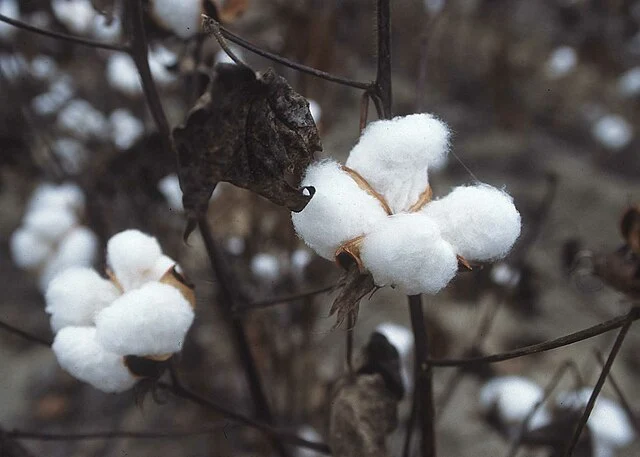
Bulk Cotton, often referred to as “white gold,” is one of the world’s oldest and most important crops, with a history dating back thousands of years. The major product derived from cotton is its fiber, which plays a pivotal role in various industries, ranging from textiles to medical applications. This article explores the journey of cotton from the field to the finished product, highlighting its significance and impact on the global economy.
Cotton Fiber: Nature’s Gift to Textiles
The primary and most well-known product of Bulk Cotton is its fiber. Cotton fibers are obtained from the seed hairs of the cotton plant (Gossypium), and they have been cherished for centuries for their exceptional qualities. Cotton fibers are soft, breathable, and absorbent, making them ideal for textile production. The versatility of cotton fibers has earned them a prime position in the textile industry, where they are used to create a wide range of products, from clothing and home textiles to industrial fabrics.
Textile Industry and Cotton:
The textile industry is the largest consumer of cotton fibers, accounting for the majority of its global usage. Cotton’s natural properties make it a preferred choice for apparel manufacturers, as it provides comfort and breathability in various climates. Cotton fabrics are used to create a vast array of clothing items, including shirts, pants, dresses, and undergarments. Additionally, cotton is blended with other fibers to enhance durability, reduce wrinkles, and improve texture.
Beyond clothing, cotton is instrumental in the production of home textiles such as bed linens, Bulk Cotton Towels, and curtains. Its absorbent nature makes it suitable for items that come into direct contact with the skin, providing a soft and comfortable feel. The demand for cotton in the textile industry is so significant that it influences the economies of many cotton-producing nations.
Cottonseed Oil: A Valuable Byproduct
While the fiber is the major product of cotton, the seeds of the cotton plant do not go to waste. Cottonseed oil is extracted from these seeds and serves as a valuable byproduct with numerous applications. Cottonseed oil is edible and widely used in cooking, salad dressings, and margarine production. It is low in saturated fats and high in polyunsaturated fats, making it a relatively healthy cooking oil option.
Beyond its culinary uses, cottonseed oil finds applications in the production of cosmetics, soap, and candles. The oil’s natural properties make it an excellent base for various products, contributing to its widespread use in the beauty and personal care industry.
Cottonseed Meal: A Nutrient-Rich Feed Supplement
Cottonseed meal, another byproduct of the cotton industry, is a valuable source of protein and nutrients. After the oil extraction process, the remaining seed meal is rich in protein and can be used as a supplement in animal feed. Livestock such as cattle, poultry, and fish benefit from the nutritional content of cottonseed meal, promoting healthy growth and development.
The use of cottonseed meal in animal feed not only contributes to the agricultural sector but also ensures the responsible utilization of resources, minimizing waste in the cotton production process.
Medical Applications of Cotton:
Cotton’s significance extends beyond the textile and agricultural sectors. The medical industry benefits from the use of cotton in various forms. Sterile cotton is a crucial component in the production of medical supplies, including swabs, bandages, and surgical dressings. The soft and absorbent nature of cotton makes it an ideal material for wound care and other medical applications.
Cotton’s hypoallergenic properties make it suitable for direct contact with the skin, reducing the risk of irritation or adverse reactions. The medical-grade cotton used in healthcare settings undergoes rigorous quality control measures to ensure its purity and safety.
Challenges and Sustainability:
Despite its widespread use and economic importance, the cotton industry faces challenges related to sustainability and environmental impact. Conventional cotton cultivation often involves the use of pesticides and intensive irrigation, leading to environmental concerns. In response to these challenges, the demand for organic and sustainably produced cotton has grown.
Organic cotton farming practices prioritize environmentally friendly methods, including natural pest control and reduced water usage. Additionally, initiatives promoting fair labor practices and ethical sourcing have gained traction within the industry.
Conclusion:
Cotton, with its primary product being the versatile fiber, plays a pivotal role in shaping various industries worldwide. From the clothes we wear to the food we consume and the medical supplies that aid our health, cotton’s impact is far-reaching. As consumer awareness of sustainability grows, the cotton industry is adapting to meet these demands through organic farming practices and ethical sourcing. The journey of cotton, from seed to fiber to valuable byproducts, underscores its importance as a fundamental resource that continues to influence economies and everyday life globally.
