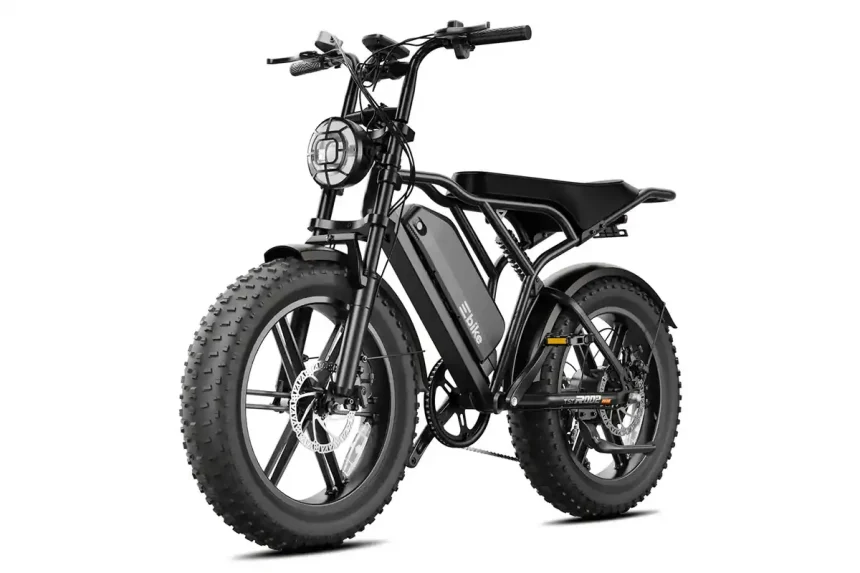
Moped-style e-bikes have gone from a niche curiosity to one of the most talked-about categories in electric transportation. With their motorcycle-inspired frames, wide seats, fat tires and serious motors, they look different from a traditional pedal bike, and they ride differently too. They suit commuters who want more comfort and power, weekend riders who like gravel and trails, and anyone who wants the practicality of a rear rack and a stable, upright ride.
But because the category is so varied, two bikes that look alike on the outside can be very different underneath. Here is a practical guide to what actually matters when you are comparing models, so you can choose a bike that fits how you really plan to ride.
1. Motor Power and Torque
Motor wattage is usually the first number you will see, and for good reason. It affects acceleration, hill-climbing ability and how comfortably the bike carries a heavier load. Many moped-style bikes sit in the 750W to 1500W range.
Watts only tell part of the story, though. Look at torque, measured in Newton-meters (N·m). Torque is what gets you moving from a stop and pulls you up a steep incline. A higher torque figure generally means a bike that feels more confident on hills and when carrying cargo or a passenger.
Also check whether the wattage listed is a peak or a rated figure. Peak output is what the motor can deliver in short bursts, while rated output reflects steadier, continuous power. Neither is wrong, but you should know which one you are comparing.
For reference, the TST R002 20” 1500W Full Suspension Moped-style Electric Bike uses a 1500W peak brushless rear hub motor with 90 N·m of torque, which is aimed at riders who expect to deal with real hills rather than flat bike paths.
2. Battery Capacity and Real-World Range
Battery size determines how far you can go between charges. Look for two numbers: voltage (V) and amp-hours (Ah). Multiply them and you get watt-hours, the clearest measure of how much energy the battery holds. A 48V 15Ah pack, for example, stores about 720Wh, while a 48V 25Ah pack stores about 1,200Wh.
Manufacturers often advertise a maximum range, and it is worth reading that figure with some realism. Range depends on your weight, the terrain, tire pressure, wind, temperature and especially how much assist or throttle you use. Riding at lower assist levels stretches the battery far further than riding at full power.
A few other battery details are worth checking:
- Removable or fixed: A removable, lockable battery is far easier to charge indoors, especially if you live in an apartment or keep your bike in a garage.
- Charging time: Overnight charging is fine for most riders, but faster charging is a nice bonus.
- Size options: Some brands offer a standard and an extended-range battery, so you can pay for only the range you need.
The R002 comes in two versions: the Cruiser (65 Mile) with a 48V 15Ah battery and the Adventure (100 Mile) with a 48V 25Ah battery. Both use a lockable, removable pack and take roughly four to five hours to charge.
3. Suspension and Ride Comfort
The moped-style design usually comes with a longer wheelbase and a more relaxed riding position, which already helps comfort. Suspension takes it further.
- Front suspension fork: Absorbs bumps from the front wheel and keeps steering stable.
- Rear suspension: Smooths out potholes, curbs and rough gravel, and reduces fatigue on longer rides.
- Adjustability: Rebound controls and a lockout mode let you fine-tune how the bike behaves on different surfaces.
If your rides are mostly smooth pavement, a front-suspension bike may be enough. If you commute on cracked city streets or enjoy dirt roads and trails, full suspension makes a noticeable difference in comfort and control. The R002 is built with front and rear suspension, with adjustable rebound controls and a lockout mode, for exactly that mixed-terrain use.
4. Tires and Wheel Size
Tires affect grip, comfort and stability more than most people expect. Many moped-style e-bikes use fat tires, often around 4 inches wide, because they spread out the contact patch and cushion the ride.
When comparing, consider:
- Width: Wider tires handle sand, gravel and light snow better and add a layer of shock absorption.
- Wheel diameter: Smaller wheels, such as 20 inches, feel agile and keep the frame low and compact, which helps with handling and storage.
- Puncture resistance: A tougher tire means fewer flats and less time on repairs.
The R002 rolls on 20 x 4.0 inch puncture-resistant fat tires, a combination designed to balance city commuting with off-road capability.
5. Braking Power
Moped-style bikes are heavier and faster than standard bicycles, so brakes deserve extra attention. At a minimum, look for front and rear disc brakes. Beyond that, check whether the system is mechanical or hydraulic. Hydraulic discs generally need less hand force and feel more progressive, while mechanical discs are simpler and easier to adjust at home.
Whichever type you choose, plan on checking brake alignment and pad wear regularly. A bike carrying a rider, cargo and plenty of speed relies on its brakes more than a lightweight commuter does.
The R002 is equipped with front and rear disc brakes.
6. Speed, Assist Levels and the Rules Where You Ride
Top speed is an appealing number, but the useful question is whether the bike gives you control over how you use it. Look for multiple pedal-assist levels, a throttle if you want one, and a clear display so you always know your speed and battery level.
The R002 reaches a top speed of 32 mph and offers five levels of pedal assist and four riding modes, including Boost. A 7-speed gear system lets you match your pedaling to the terrain.
It is also important to check your local laws. E-bike regulations vary widely by country, state and even city, including limits on motor power, top assist speed, where you can ride and whether a license or registration is needed. Read the rules for your area before you buy so your bike matches how and where you plan to use it.
7. Weight, Load Capacity and Frame Fit
Moped-style e-bikes are heavier than traditional bikes, mainly because of larger batteries, stronger frames and suspension. That weight adds stability but makes the bike harder to lift or carry upstairs. Think about where you will store it and whether you will ever need to load it into a vehicle.
Also pay attention to maximum load capacity if you plan to carry cargo or ride with a passenger, and check whether a rear rack is included. Frame fit matters too. Seat height range, handlebar height and top tube length decide whether the bike feels natural to you. The R002, for example, lists a seat height range of 31.4 to 39 inches, weighs 71.87 pounds and supports a maximum load of 450 pounds.
8. Display, Lights and Smart Features
The small details often shape your daily experience. A clear LCD should show speed, battery level, assist mode and distance. Integrated front and rear lights matter for commuting at dusk or after dark. Some bikes also offer app connectivity, and a few support add-ons like mirrors or turn signals.
Check what is included in the box. Fenders, a headlight and a rear rack are practical items that can save you money if they come standard, rather than as extras. The R002 ships with a headlight, a fender set and a rear rack, along with an LCD display and phone app support.
9. Warranty, Support and Parts Availability
An e-bike is a long-term purchase, so what happens after delivery matters. Look for a clear warranty, responsive customer support and a trial or return window. Just as important, check that replacement parts are easy to find, because a bike built with common, replaceable components is far easier to maintain over the years.
Customer reviews can reveal a lot here. Read how a company handles issues like shipping damage, replacement parts and questions after the sale, not just how the bike rides on day one.
TST backs the R002 with a 2-year warranty and a 14-day free trial, and the bike is SGS certified.
10. Price and Overall Value
Price should be weighed against the whole package: motor, battery, suspension, brakes, included accessories and support. A lower price can be excellent value if the specs match your needs, while a higher price makes sense when you need extra range or premium components.
Rather than chasing the biggest numbers, decide what you will really use. If you only ride a few miles a day, a huge battery adds cost and weight you may not need. If you ride long distances or in hilly areas, spending more on range and torque is usually worth it.
A Quick Checklist
Before you buy a moped-style e-bike, make sure you can answer yes to these questions:
- Does the motor have enough torque for the hills and loads I expect?
- Does the battery give me realistic range for my daily route, with some margin?
- Is the battery removable so I can charge it conveniently?
- Does the suspension suit the surfaces I ride on most?
- Are the tires and brakes appropriate for the bike’s weight and speed?
- Does the bike fit my height and my storage space?
- Is it legal and appropriate for where I plan to ride?
- Is there a solid warranty and reliable customer support?
Where to Start
Once you know which features matter most to you, comparing models becomes much easier. You can browse the full range of TST moped-style e-bikes to see how different motors, battery sizes and frame styles stack up. If you want a closer look at a full-suspension option, the TST R002 20” 1500W Full Suspension Moped-style Electric Bike pairs a 1500W motor, 20 x 4.0 inch fat tires, a removable battery and front and rear suspension in a single bike, with a choice between the Cruiser (65 Mile) and Adventure (100 Mile) versions.
A moped-style e-bike can be a comfortable, capable and fun way to get around. The key is choosing one built around the way you actually ride, and now you know exactly what to look for.