
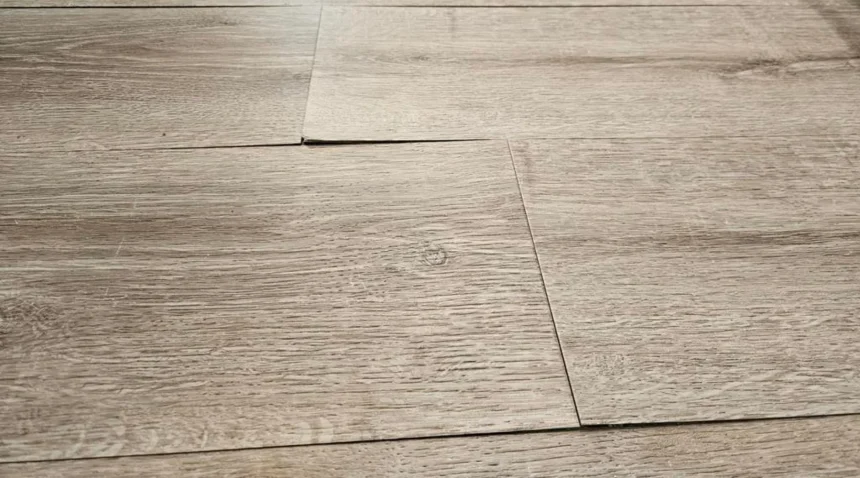
Luxury vinyl plank flooring has become a popular option for homeowners because it offers a stylish appearance, easy maintenance, and good resistance to everyday wear. However, even quality flooring can develop problems over time. One common issue is seeing gaps between planks or noticing that sections of the floor are beginning to separate.
If you are dealing with this problem, there is usually a reason behind it. Understanding the possible causes can help you avoid further damage and determine the right way to deal with the issue.
What Causes Vinyl Plank Flooring to Separate?
There is no single reason why vinyl planks pull apart. Installation conditions, the subfloor, temperature changes, and everyday use can all affect how well the flooring stays connected.
Here are some of the most common causes.
1. An Uneven Subfloor
One of the most important parts of any flooring installation is the surface underneath it. LVP needs a relatively smooth, clean, and stable subfloor to perform properly.
If the subfloor has dips, bumps, cracks, or other uneven areas, the planks may not sit correctly. Constant pressure on these weak points can eventually affect the locking system and create visible gaps.
This is why preparing the surface before installation is just as important as choosing quality flooring.
2. Incorrect Installation
Poor installation can also lead to separating planks. Luxury vinyl flooring usually relies on a locking mechanism that connects individual pieces together. If the planks are not aligned correctly or the locking edges are not properly engaged, they may gradually move apart.
Installation also requires appropriate spacing around walls and other fixed objects. Without sufficient room for normal movement, the flooring can experience pressure that may cause gaps, buckling, or other problems.
For more information about common reasons behind this problem, you can read this helpful guide on why LVP separates.
3. Changes in Temperature and Humidity
Your indoor environment can have a noticeable effect on flooring. Like many building materials, vinyl flooring can expand and contract as temperature and humidity change.
This can become more noticeable in rooms exposed to strong sunlight, seasonal temperature changes, or inconsistent climate control. If the flooring was not given suitable conditions before installation, movement may become more noticeable after it has been installed.
Keeping indoor conditions reasonably stable can help reduce unnecessary movement.
4. Moisture Beneath the Flooring
Although luxury vinyl flooring is designed to handle moisture better than many traditional flooring materials, that does not mean every part of the floor assembly is waterproof.
Moisture coming from a concrete slab, basement, plumbing issue, or another source can create problems underneath the flooring. Depending on the installation system, moisture may contribute to movement or affect the condition of the subfloor.
Before installing new flooring, it is important to identify and address moisture issues rather than covering them up.
5. Heavy Furniture and Everyday Pressure
Heavy furniture can put significant pressure on flooring, particularly when large items are moved across the surface.
Dragging furniture, appliances, or other heavy objects can place stress on the joints between planks. High-traffic areas may also experience more wear than parts of the room that receive little foot traffic.
Using suitable furniture pads and lifting items instead of dragging them can help protect the flooring.
How Can You Fix Separating LVP?
The best solution depends on why the planks are separating. If only a small area has developed a gap, the affected section may need to be carefully inspected and reconnected. In other situations, several planks may need to be removed so the underlying problem can be corrected.
For example, an uneven subfloor may require preparation before the flooring is reinstalled. Damaged locking edges may require replacement planks rather than simply pushing the existing pieces back together.
Trying to force the flooring into place without identifying the cause can make the problem worse.
Can Separating Vinyl Planks Be Prevented?
Yes, several simple steps can reduce the risk of future problems.
Start with proper subfloor preparation and follow the flooring manufacturer’s installation instructions. Allow the flooring to adjust to the indoor environment when required, and make sure the installation includes the appropriate expansion space.
It is also helpful to maintain consistent indoor conditions and protect the floor from unnecessary impact. Furniture pads, careful moving techniques, and regular cleaning can all contribute to better long-term performance.
Most importantly, choose an experienced installer who understands the specific requirements of luxury vinyl flooring.
When Should You Contact a Flooring Professional?
A small gap may seem like a minor cosmetic issue, but repeatedly separating planks can indicate a larger installation or subfloor problem. If gaps continue to appear, several areas are affected, or planks are lifting from the floor, professional inspection is a sensible next step.
An experienced flooring professional can examine the affected area, identify the likely cause, and determine whether the solution involves adjusting the planks, replacing damaged pieces, or correcting an issue underneath the floor.
Final Thoughts
Separating luxury vinyl planks can happen for several reasons, including an uneven subfloor, installation mistakes, environmental changes, moisture, and heavy pressure. Simply pushing the planks back together may not solve the underlying problem.
The best approach is to identify the cause first and then use the appropriate repair method. With proper installation, suitable maintenance, and attention to the conditions underneath the floor, LVP can remain an attractive and practical flooring choice for years.
