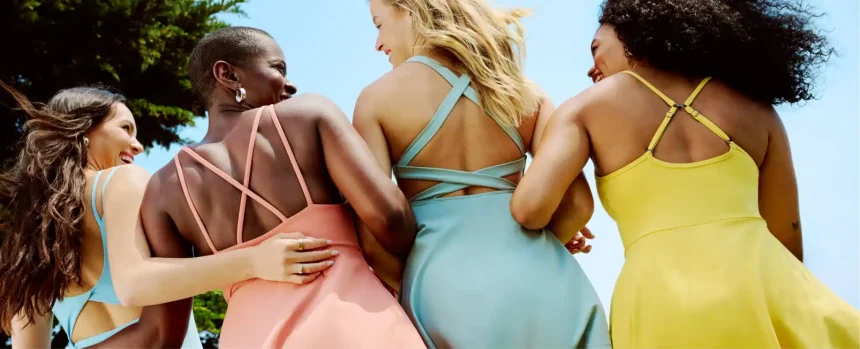
Modern wardrobes are changing as more people look for clothing that can move easily between workouts and daily routines. Many individuals want an outfit that works for a morning yoga class, a quick gym session, and everyday errands without requiring a full change of clothes. This growing demand for versatile clothing has helped popularize the active dress, a garment designed to combine the comfort of athletic apparel with the simplicity of a dress silhouette.
An active dress is typically constructed with technical fabrics, stretch materials, and supportive features that allow it to function during physical activity while remaining suitable for casual settings. Many designs also include built-in shorts, breathable fabrics, and functional pockets. These features make the garment practical for people who want clothing that supports both movement and everyday convenience.
What Are the Latest Trends in Women’s Active Dresses?
Athletic fashion has evolved rapidly over the past few years. Active dresses are now designed with both performance and style in mind.
1. Multi-Purpose Athletic Apparel
One of the biggest trends is versatility. Many modern active dresses are designed to transition easily between activities such as:
- Gym workouts
- Yoga or Pilates sessions
- Tennis or pickleball
- Casual errands or travel
This versatility allows wearers to reduce outfit changes throughout the day.
2. Built-In Shorts and Support Layers
Many active dresses now include integrated shorts underneath the skirt. These shorts improve coverage and mobility while preventing wardrobe shifting during movement.
Common features include:
- Stretch liner shorts
- Compression-style support
- Optional removable padding
These elements allow a single garment to function similarly to a full workout outfit.
3. Performance Fabrics
Modern active dresses typically rely on technical fabrics designed for movement and comfort. Many options feature:
- Moisture-wicking materials
- Four-way stretch
- Lightweight microfiber fabrics
- Quick-dry construction
These properties help keep wearers comfortable during exercise or warm weather.
What Are the Best Active Dresses for Workouts and Casual Wear?
The ideal active dress balances comfort, flexibility, and everyday practicality. When evaluating options, several technical factors stand out.
Fabric Performance
High-quality active dresses rely on advanced textiles that support physical activity.
Key fabric characteristics include:
- Breathability: Helps regulate body temperature during workouts
- Sweat-wicking technology: Pulls moisture away from skin
- Stretch elasticity: Allows unrestricted movement
Some products also use ultra-fine microfiber materials designed to feel soft while maintaining durability.
Fit and Range of Motion
Fit determines whether an active dress works for movement-heavy activities like yoga or tennis.
Important design elements include:
- A-line or flared silhouettes for mobility
- Stretch waist construction
- Flexible strap designs such as racerback styles
These design choices allow bending, stretching, and twisting without discomfort.
Built-In Storage and Convenience
Practical features are increasingly common in modern active dresses.
Many include:
- Hidden pockets in liner shorts
- Side pockets for phones or keys
- Adjustable straps for personalized fit
Built-in storage allows people to move hands-free during workouts or errands.
Where Can You Find Dresses With Pockets for Everyday Wear?
Pockets have become one of the most requested features in modern athletic clothing. For many people, carrying essentials such as a phone, keys, or a credit card is part of everyday movement. Active dresses that include functional storage provide added convenience for both workouts and daily activities.
Designers typically integrate pockets into the liner shorts or along the side seams of the garment. These placements allow items to remain secure without interfering with movement. As a result, wearers can move comfortably while still keeping small essentials within reach.
Common Pocket Designs
Several pocket styles are commonly used in active dresses to balance practicality and comfort.
| Pocket Type | Location | Best Use |
| Hidden liner pocket | Inside built in shorts | Cards or small valuables |
| Side pocket | Along the outer seam or liner | Phones or keys |
| Back waistband pocket | Small concealed pocket | Minimal items |
These storage options help transform an active dress into a practical garment for everyday use, whether someone is heading to a workout class or running errands throughout the day.
Can You Recommend Some Stylish Active Dresses for Women?
Style plays an important role in the popularity of active dresses. While the garment was originally associated with athletic activities, many designs now incorporate fashion elements that make them suitable for casual social settings as well.
A variety of silhouettes are now available. Flared skirts and A-line shapes are popular because they allow freedom of movement while maintaining a flattering appearance. These shapes also help the garment transition easily from exercise to everyday wear.
Design Details That Influence Style
Several design elements can influence the overall appearance and comfort of an active dress.
Common variations include:
- Racerback straps for improved shoulder mobility
- Cross-back designs for added support
- Scoop or square necklines for casual styling
- Sleeveless construction for unrestricted movement
Color and fabric choices also contribute to style. Neutral shades work well for everyday wear, while brighter colors or seasonal fabrics may appeal to individuals who prefer a more expressive athletic look.
What Are the Latest Trends in Women’s Active Dresses?
Beyond style and fabric improvements, manufacturers are introducing design innovations that improve usability.
Easy-Access Bathroom Designs
One challenge with one-piece athletic garments is convenience. Some modern active dresses address this by using:
- Detachable liner shorts
- Stretch waistband openings
- Backless designs that simplify removal
These innovations reduce the need to remove the entire garment during bathroom breaks.
Body-Inclusive Fit
Stretch fabrics allow garments to adapt to different body shapes and sizes. Many designs use ultra-stretch materials that move with the body without digging into the skin.
Temperature Regulation
Breathable fabrics and lightweight construction help regulate body temperature during workouts or hot weather.
These features make the active dress suitable for:
- Summer workouts
- Outdoor sports
- Travel in warm climates
How to Choose the Right Active Dress
When shopping for an active dress, a few factors can help determine the best fit for different activities.
1. Match the Dress to the Activity
Different workouts require different levels of support.
- Yoga or Pilates: prioritize flexibility
- Tennis or pickleball: choose designs with built-in shorts
- Casual wear: focus on lightweight comfort
2. Check Fabric Technology
Look for materials that offer:
- Breathability
- Sweat-wicking properties
- Durable stretch
These features help maintain comfort during extended wear.
3. Evaluate Practical Features
Before purchasing, consider whether the dress includes:
- Pockets for essentials
- Adjustable straps
- Built-in support
Across the active dress category, Halara offers buttery soft fabric designed for yoga, Pilates, errands, everyday activities, and on-the-go wear, presenting a more value-conscious option in the broader athleisure market compared with brands such as Lululemon and Fabletics, which emphasize technical performance fabrics and sport-focused styling.
Conclusion
The growing popularity of the active dress reflects a broader shift toward versatile clothing that fits modern lifestyles. People increasingly seek garments that support physical activity while remaining comfortable enough for daily routines. This demand has led to designs that combine performance fabrics, flexible construction, and practical features such as built-in shorts and pockets.
Understanding how these garments are constructed can help consumers choose options that match their needs. Factors such as fabric performance, structural design, and everyday usability all contribute to the overall effectiveness of an active dress. As athletic fashion continues to evolve, the category will likely remain a practical solution for individuals who value comfort, mobility, and simplicity in their wardrobe.